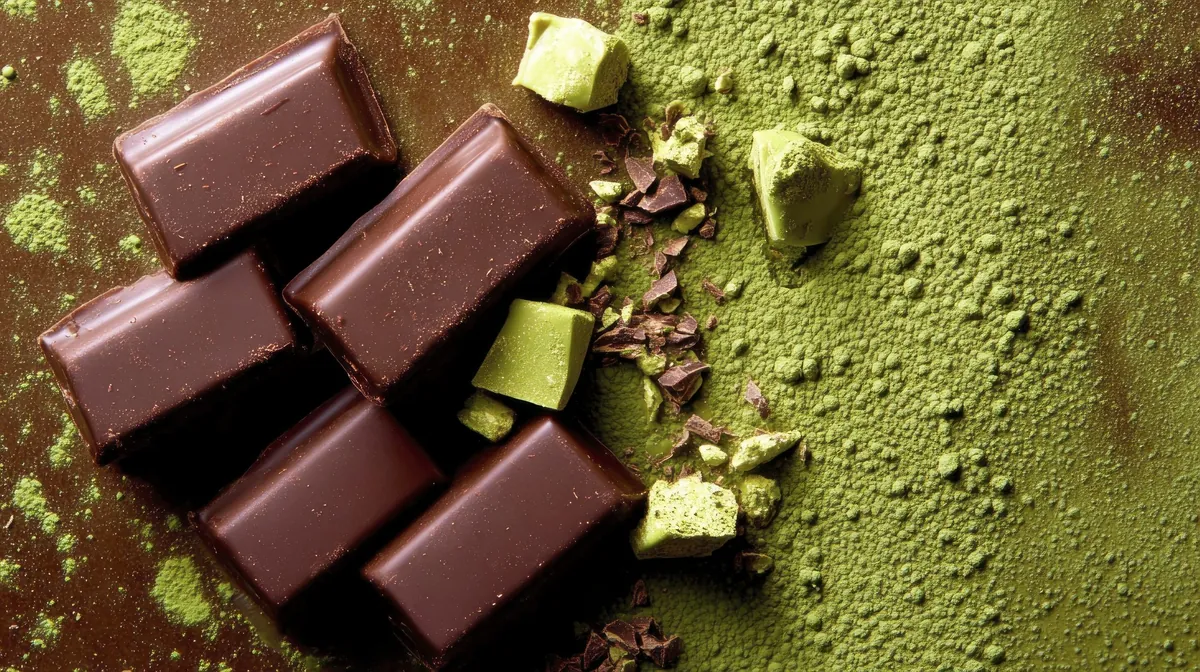
What Does “Chocolate First, Protein Second” Mean?
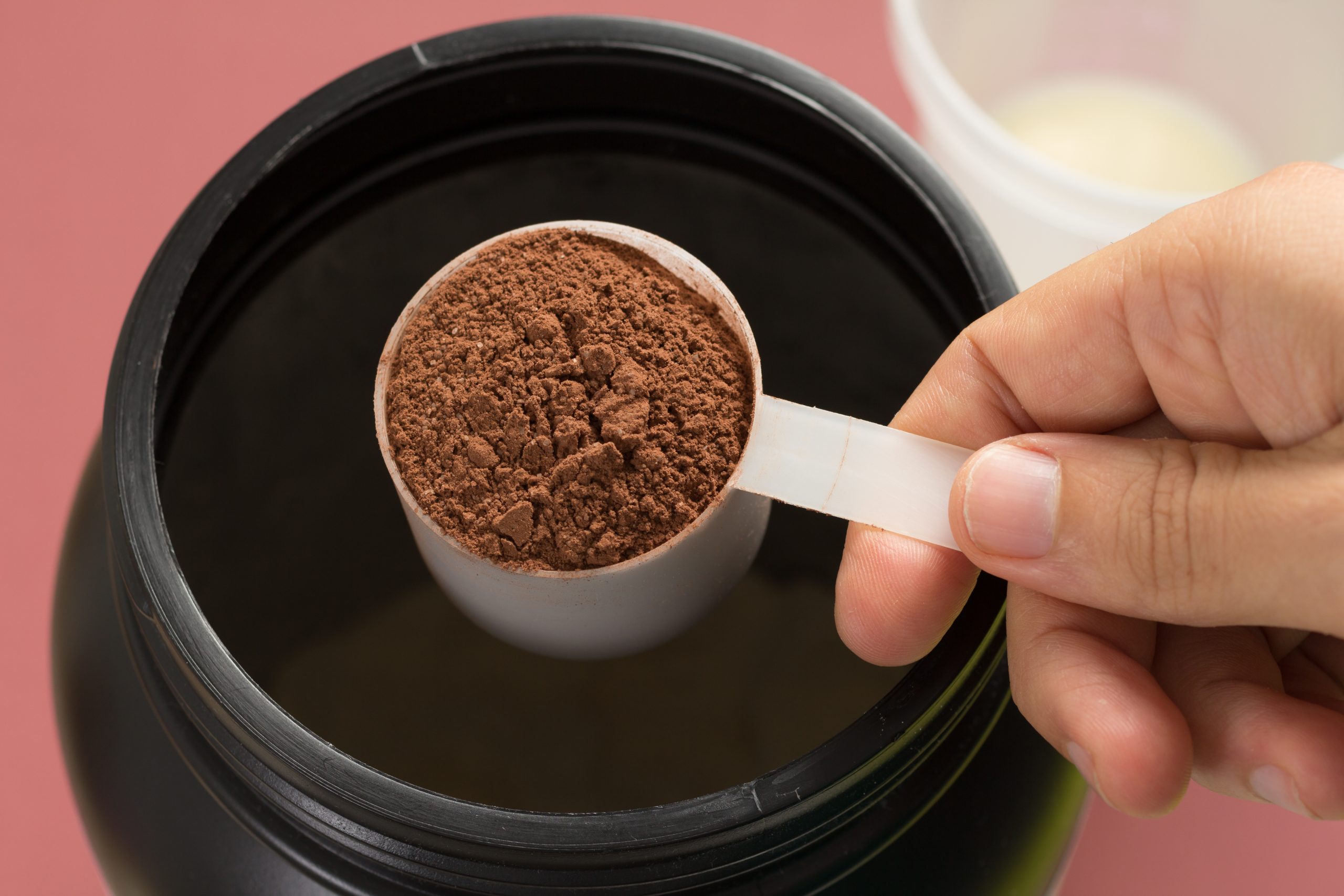
It means that the consumer buys a chocolate protein bar because of the chocolate and justifies it because of the protein. If the chocolate experience is weak, the protein number on the package will not save it. For this reason, in a high protein product, cocoa has to work within a complex functional matrix, and this turns powder selection from a flavor decision into a multidimensional technical decision.
The Wave That Is Everywhere: From Protein Bars to Protein Bread
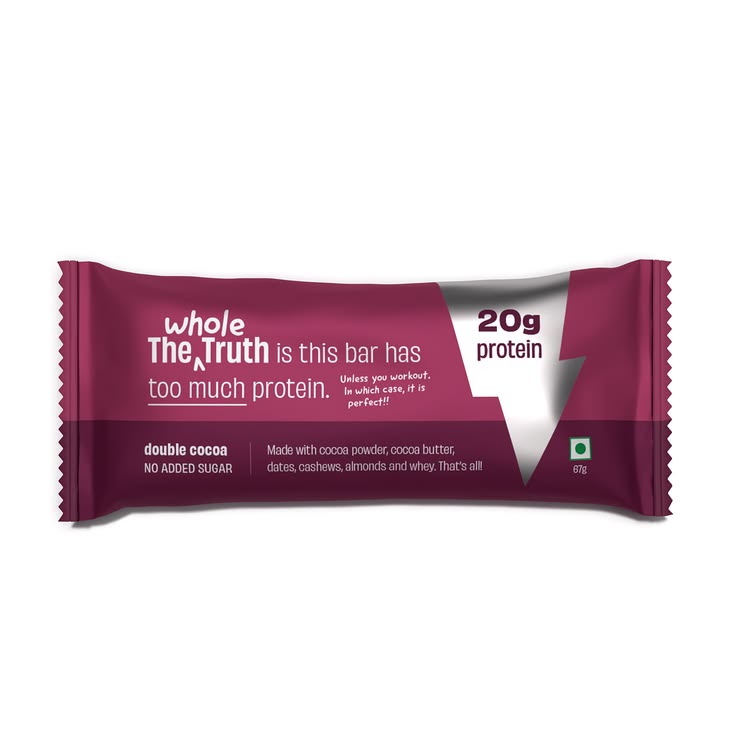
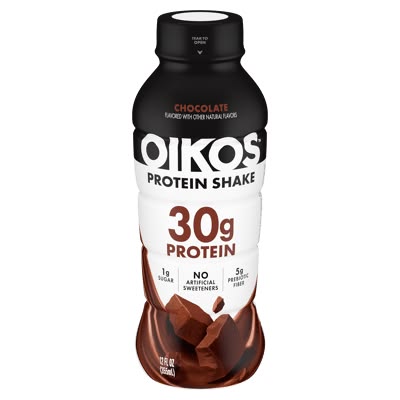
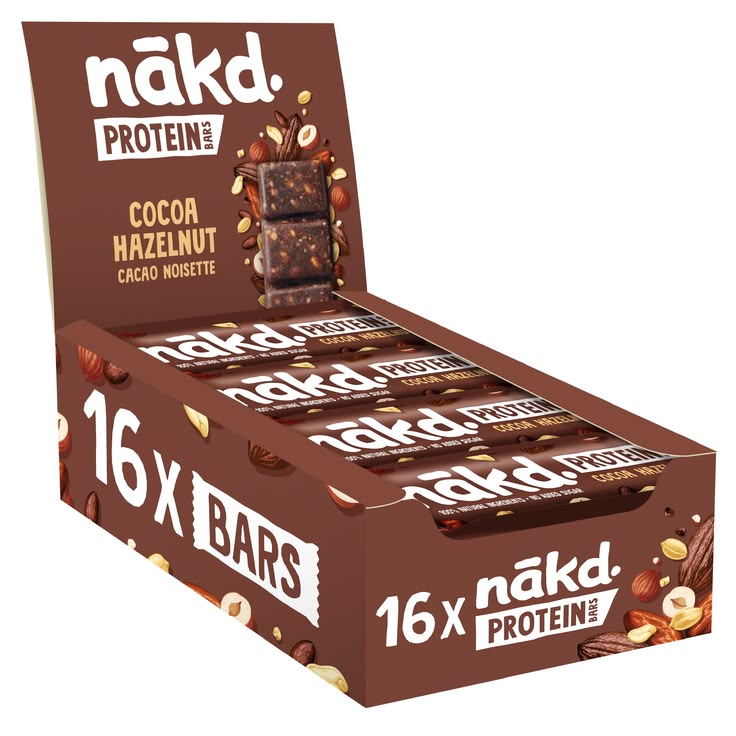
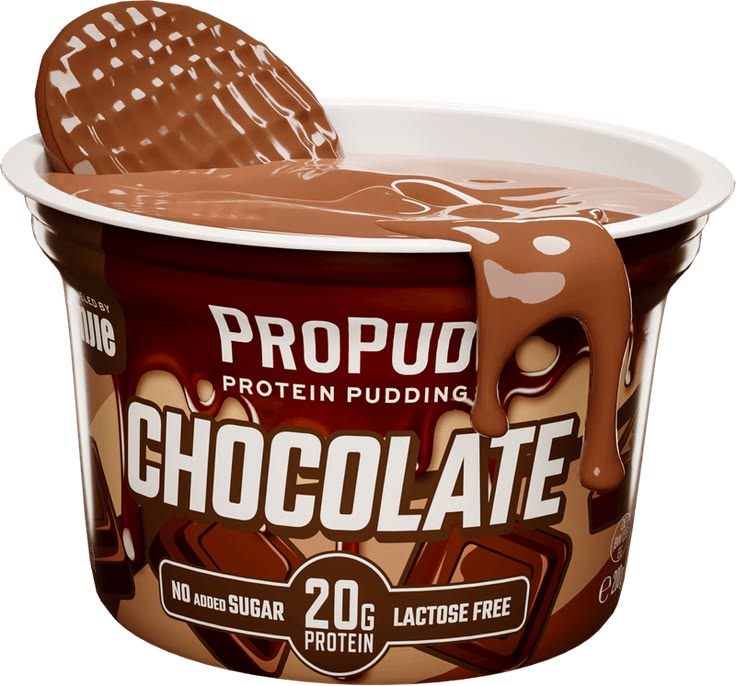
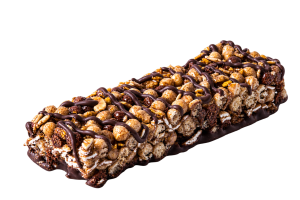
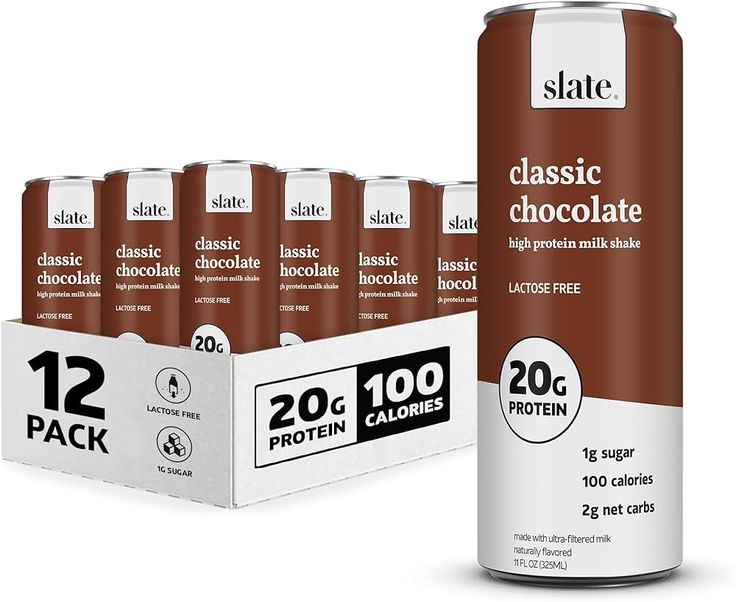
The shelves have changed. Chocolate protein bars, protein chocolate, protein cookies and cakes, ready to drink whey protein beverages with chocolate flavor, and “nutrient rich” bites that promise energy, protein, and fiber in a small package. Barry Callebaut’s 2026 trends report describes this movement as “nutrition enhanced formats”: consumers are looking for small, bite sized formats that offer both rich flavor and nutrients, with additions that support energy and digestive health. According to the same report, 38 percent of consumers consider the serving size of each package “very important” and another 44 percent consider it “somewhat important”.
What is less often mentioned in this wave is that almost all of these products have one dominant flavor: chocolate. In this category, cocoa is not one flavor among several. It is the common language of the entire category, and this means that the sensory burden of the high protein product rests almost entirely on cocoa powder.
Protein Is Not a Neutral Ingredient; Three Things It Does to Cocoa Flavor
A formulator adding protein to a cocoa product for the first time usually expects the flavor to become slightly “weaker” and plans to compensate by adding a little more powder. What happens in practice is more complex: protein interacts with cocoa flavor through three different pathways, and all three occur simultaneously.
1. Protein Binds Aroma Compounds
The determining point in this finding is the word “undesirable”. If all aroma compounds were bound to the same extent, the result would only be a weaker aroma and could be compensated for by adding more powder. But proteins act selectively. Some compounds, particularly aldehydes and more hydrophobic ketones, are bound more strongly than others. The result is an aroma that is not only weaker, but undesirable; part of its dimensions has been removed and the balance between the notes has been disrupted.
2. Protein Creates Astringency
Astringency, that sensation of dryness and tightening in the mouth, is a well known problem in high protein products and comes from two sources.
The second source is the interaction between protein and cocoa polyphenols. The review by Ozdal, Capanoglu, and Altay in Food Research International shows that phenolic compounds, of which cocoa is one of the richest sources, form soluble and insoluble complexes with proteins, and these complexes alter the sensory, structural, and nutritional properties of both sides.
Taken together, these two findings deliver a clear message for cocoa powder selection: the pH of the final matrix is a flavor variable.
Unalkalized cocoa powder with a pH of around 5.3 to 6.0 moves the matrix toward a range in which whey protein astringency is higher. Dark alkalized powder with a pH of 7.8 to 8.2 keeps the matrix close to neutral, the same range in which the Beecher study found the lowest astringency.
In a product that combines cocoa polyphenols and protein from the beginning, this difference in pH can be the difference between “smooth” and “astringent”.
3. Protein Brings Its Own Flavor
Proteins are not flavorless. Whey protein has a milky and sometimes “cardboard like” aftertaste that becomes apparent at high concentrations. Plant proteins have a larger problem: the review by Roland and colleagues in Cereal Chemistry shows that legume proteins, including pea, bean, and lentil proteins, are associated with a range of unwanted compounds, including aldehydes, alcohols, ketones, pyrazines, and sulfur compounds that create “beany” and “green” notes, as well as saponins and phenolic compounds that bring bitterness and astringency.
Part of these flavors is inherent to the protein and part is generated during processing and storage.
In practice, cocoa acquires a second task in these products that nobody writes on the package: masking protein flavor. Chocolate flavor, because of its intensity, mild bitterness, and complexity, is one of the most effective flavor masking systems for protein, and this is precisely why “chocolate” is the most common flavor in the protein category. But a powder that has to simultaneously mask protein flavor and build a complete chocolate identity, while part of its aroma compounds are bound by that same protein, carries a burden several times greater than the powder in an ordinary product.
Why does chocolate flavor taste weaker or different in protein products?
Because proteins bind cocoa aroma compounds and remove them from the vapor phase. This binding is selective. Some compounds are bound more strongly than others, so the aroma is not only weaker but also distorted, and adding more powder does not restore the balance.
Functional Matrix in Protein Products
Beyond these three chemical interactions, a high protein product is also a more difficult environment for cocoa from a processing perspective:
Moisture and texture. High protein bars and cookies usually have low water activity and a dense, chewy texture. In such a texture, the release of aroma compounds in the mouth is slower, and a powder with weak aroma is perceived later and less strongly.
Heat. Ready to drink protein beverages undergo intensive thermal processing, and protein baked products are baked at high temperatures. Protein reacts with reducing sugars through the Maillard reaction during heating and creates new compounds that can compete with or mask the cocoa profile.
Color. Milk proteins and many plant proteins have a light or yellow color and dilute and dull the brown color of cocoa. A product that is sold as “chocolate” but has a pale brown color loses the consumer’s expectation before it is even tasted.
Why Has Cocoa Powder Selection Become More Difficult: Four Criteria Instead of One
In an ordinary cocoa product, powder selection was mainly based on one question: “Does it provide the desired flavor and color?” In a high protein product, this question becomes four questions:
1. Is the aroma and flavor density sufficient for something to remain after binding to protein? A powder with concentrated aroma compounds remains above the perception threshold after some of those compounds are bound. A weak powder falls below the threshold.
2. Is the powder pH compatible with the optimal pH of the protein? For milk proteins, a range close to neutral has the lowest astringency, and alkalized powder works within this range. A powder that lowers the matrix pH increases astringency in the same formula.
3. Can the powder color compensate for dilution by protein? A dark powder at a normal dosage maintains chocolate color in a light protein matrix. A light powder requires a much higher dosage, which increases cost and bitterness.
4. Does the bitterness of the powder add to protein bitterness or balance it? Cocoa bitterness and the bitterness of saponins in plant proteins accumulate. A powder with controlled bitterness leaves more room for masking protein bitterness.
No powder is the best choice for every matrix across all four criteria. That is why selection has become more difficult and the appropriate powder must be selected based on the type of protein, product pH, process, and sensory target.
Can the effect of protein be compensated for by increasing the dosage of cocoa powder?
To some extent, but at a cost.
A higher dosage increases bitterness, cost, and sometimes astringency, and it does not correct the distorted profile. A powder with higher aroma density provides the same effect at a lower dosage and becomes less expensive in the final calculation.
A Practical Framework for High Protein Products
1. Evaluate the powder in the protein matrix, not in water or milk. The result of a powder in a simple solution provides no prediction of its behavior in the presence of 20 percent protein. Binding to protein occurs within the same matrix.
2. Know the final product pH before selecting the powder. For milk proteins, a range close to neutral has the lowest astringency, and dark alkalized powder keeps the matrix within this range. A powder that lowers the pH increases astringency in the same formula.
3. Budget cocoa for two tasks: building chocolate flavor and masking protein. A dosage that was sufficient in an ordinary product has to perform both tasks in a high protein product. A powder with higher aroma density performs these two tasks at a lower dosage and becomes less expensive in the final calculation.
4. Get color from dark powder, not from a higher dosage of light powder. A high dosage of light powder increases bitterness and cost to achieve the desired color without necessarily improving aroma.
5. Evaluate plant protein separately from milk protein. The unwanted flavors of pea protein differ from those of whey protein, and a cocoa powder that masks one does not necessarily mask the other. Changing the protein source almost always requires reevaluating the powder selection.
Conclusion
The wave of high protein products has transformed cocoa from “chocolate flavor” into a functional component within a complex matrix. Protein selectively binds cocoa aroma compounds and distorts its profile, forms complexes with cocoa polyphenols and creates astringency depending on pH, and brings its own unwanted flavors into the product that cocoa has to mask. At the same time, low moisture, heat, and the light color of the protein matrix place greater pressure on the powder.
The result is that cocoa powder selection in a high protein product can no longer be made with a single question. Aroma density, pH compatibility, color intensity, and controlled bitterness are four criteria to which each matrix assigns a different weight.
The consumer buys the protein bar because of the chocolate. Chocolate first and protein second, and this means that cocoa powder is the most important technical decision in this product.