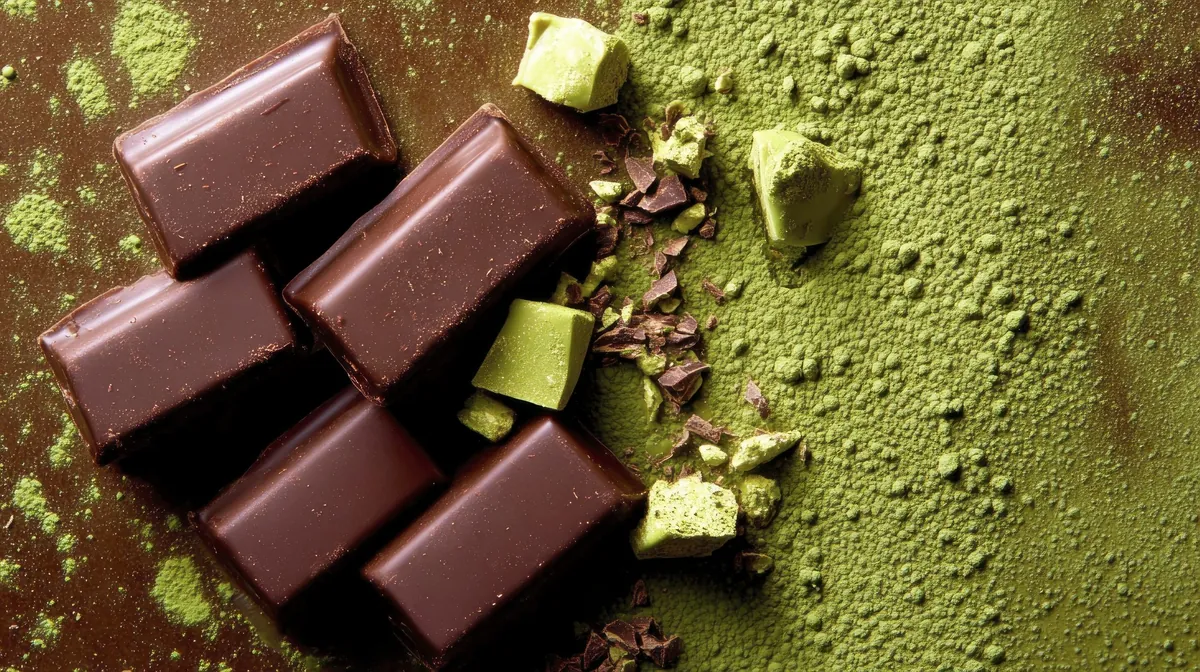
Why Does Cocoa Powder Selection in Fillings and High Fat Formulations Become More Important Compared with Low Fat Formulations?
Once cocoa powder is incorporated into a formulation, it is no longer an independent ingredient. Its components interact with water, sugar, protein, emulsifiers, and especially the fat phase. The outcome of these interactions creates a new structure that can alter the flavor, aroma, texture, and mouthfeel of the product.
This becomes even more important in high fat formulations, as fat constitutes a significant part of the food structure and can influence the behavior of volatile compounds, product structure, rheological properties, melting characteristics, and ultimately the sensory experience.
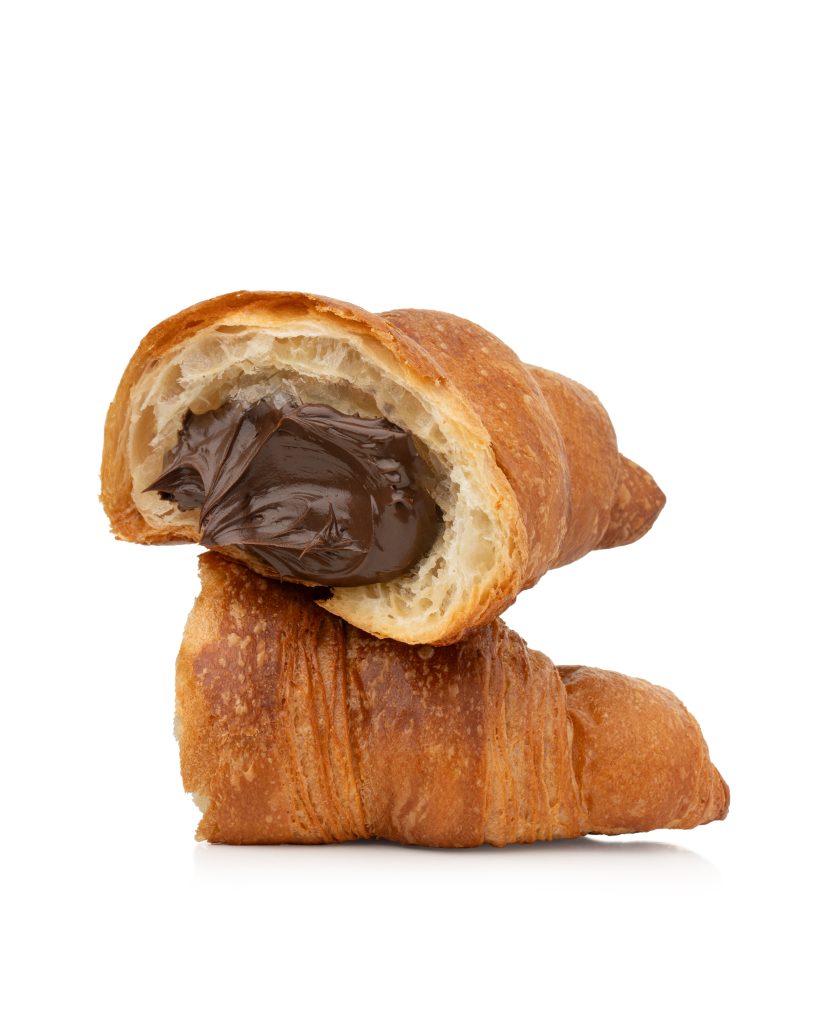

What Is a High Fat Formulation and Why Does Its Texture Differ?
In many food products, fat is only one component of the formulation. However, in high fat products, the fat phase can play a fundamental role in the structure of the product. Chocolate creams, fillings, spreads, certain chocolate products, ganaches, and many fat based desserts are examples of products in which fat contributes significantly to the product’s texture.
In these products, cocoa solids are incorporated into a multicomponent system whose properties do not depend solely on the particles themselves. The type and amount of fat, particle size, particle distribution, emulsifiers, and other formulation components can alter the flow behavior, structure, and sensory properties of the product. For example, in chocolate, sugar and cocoa particles are dispersed within a continuous fat phase, and the balance between fat, cocoa solids, and other components plays an important role in the product’s organoleptic properties. This is particularly relevant when considering Cocoa Powder in Fillings, where the interaction between cocoa powder and the fat phase can influence the final product characteristics.
Therefore, when the fat content increases, it is not simply the amount of fat that changes; the environment in which cocoa compounds are experienced also changes.
Why Is Cocoa Powder Selection More Important in High Fat Formulations?
This is because an increase in the fat phase can alter the product’s texture, the behavior of volatile compounds, rheological properties, and mouthfeel. Therefore, a cocoa powder that performs well in a low fat system does not necessarily produce the same sensory impact in a high fat system.

Chocolate Cheese and Cocoa Cheese: A Complete Guide to Production and Formulation
This product lies at the intersection of processed cheese and chocolate desserts...
Why Is the Fat System Important for Cocoa Powder?
Cocoa powder is a complex mixture of various compounds. In addition to cocoa solids, proteins, polyphenols, minerals, and other components, numerous volatile compounds also contribute to its aroma. Molecular studies of cocoa powder have identified a wide range of active aroma compounds, including those responsible for malt, caramel, honey, chocolate, and other notes.
However, an important point is that aroma compounds are not perceived by consumers simply because they are present in the raw material. These compounds must be released from the product matrix and reach the headspace of the product in order to activate the olfactory and gustatory pathways. Therefore, the amount and type of fat present in the product can influence this process.
Simply put, the pathway of aroma perception is as follows: an aroma compound present in cocoa powder becomes incorporated into the product matrix, is distributed within it, is released, reaches the olfactory and gustatory systems, and ultimately produces sensory perception. Changes at any stage of this process can alter the final sensory outcome.
Effect of the Fat System on Cocoa Aroma Behavior
One of the important concepts in this field is the “phase distribution” of compounds among the different components of the food matrix. Depending on their chemical structure, different volatile compounds do not have the same affinity for the fat phase or other components of the matrix. Therefore, increasing or altering the fat phase can change the balance between compounds retained within the matrix and those released into the product headspace.
The aroma and flavor of a cocoa powder cannot be evaluated entirely independently of the matrix in which it will be used. Therefore, selecting cocoa powder for an aqueous system and selecting cocoa powder for a high fat system are not necessarily the same decision.
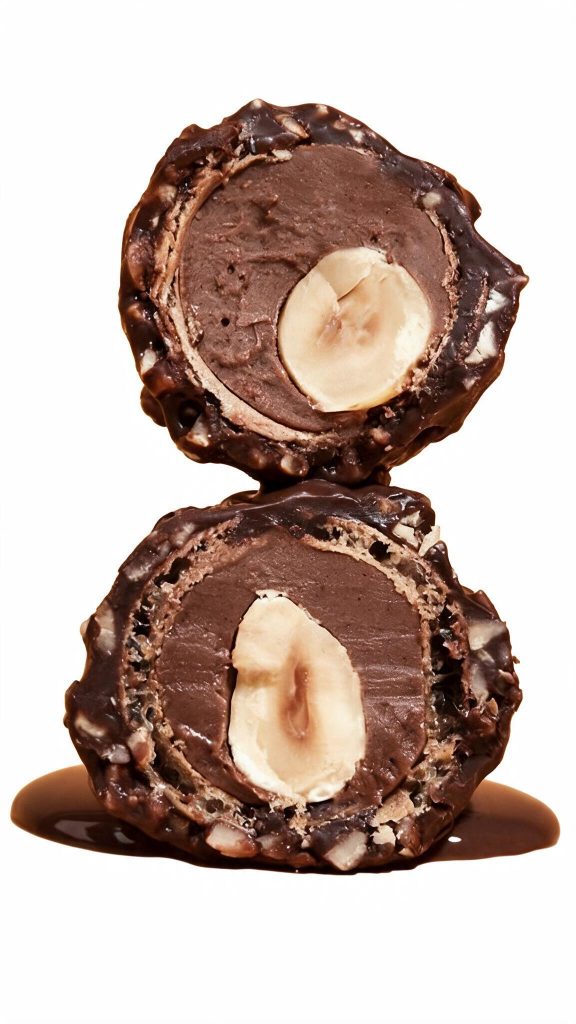
Why Does a Richer Cocoa Powder Become Important in This Context?
The term “richer cocoa powder” does not refer to a single characteristic. It refers to a powder that can effectively maintain the presence of cocoa in the final formulation and provide sufficient character in terms of flavor, aroma, and sensory experience.
In a high fat matrix, this becomes even more important because fat can determine part of the product’s structure and sensory behavior. Under such conditions, using a powder with weak character may cause the presence of cocoa in the final product to be insufficiently pronounced. In contrast, a powder with a richer cocoa profile has greater potential to create a chocolate impact.
Therefore, the richer the product is in fat, the more important this question becomes: Does the selected cocoa powder have sufficient strength to maintain the cocoa identity of the product?

Cocoa Powder Compatibility in High Fat Formulations and Texture
Consider two products. In the first product, the fat content is low, and cocoa powder is used in a relatively simple system. In the second product, the fat content is significant, and the product has a more complex structure, such as a filling or chocolate cream.
If the same cocoa powder is used in both products, identical performance cannot be expected without sensory evaluation. In the high fat product, the cocoa powder must be able to maintain the expected cocoa identity alongside a fat rich texture. At this point, characteristics such as cocoa character, flavor intensity, aroma, and sensory richness become even more important.
In other words, the more complex the product texture becomes, the more important the selection of the right cocoa powder becomes.
The Role of Cocoa Butter in Cocoa Powder Selection for High Fat Formulations
The fat in cocoa powder consists primarily of cocoa butter. During the production of cocoa powder, part of the cocoa butter is separated from the cocoa mass, and the amount that remains is one of the factors that distinguishes different grades of cocoa powder.
This difference is not simply a figure on a technical specification sheet. When a powder contains more cocoa butter, a greater amount of cocoa’s natural fat is incorporated into the formulation. In products where the goal is to create greater body and richness, creaminess, and a richer sensory experience, this characteristic may become even more important.
Nevertheless, it should be emphasized that increasing fat content alone does not guarantee sensory quality. Cocoa origin, processing, degree of alkalization, particle size, and other factors also contribute to the final result.
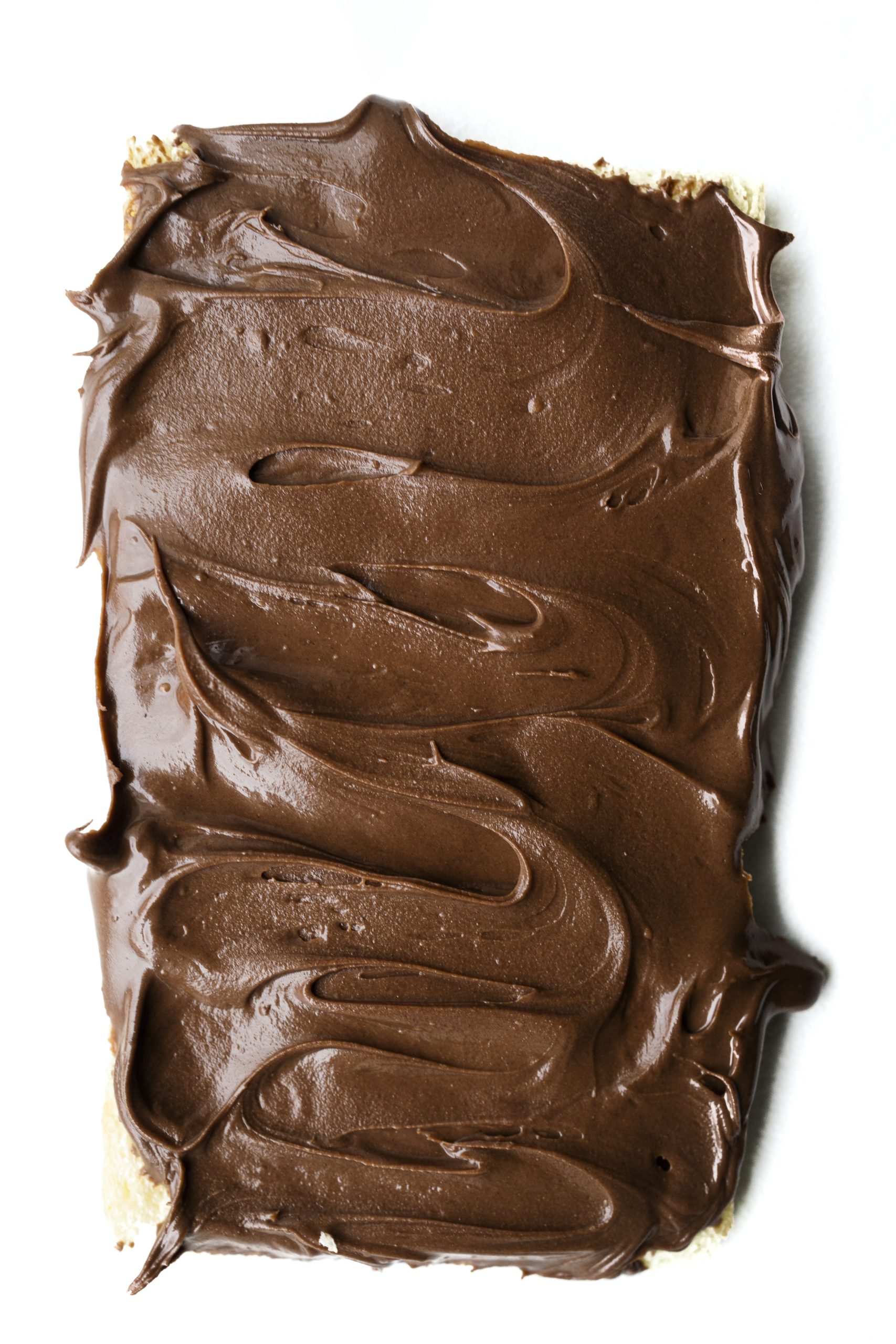
When Selecting Cocoa Powder for a High Fat Product, Should You Only Consider Fat Content?
No. Fat content is important, but it should be evaluated alongside color, acidity, degree of alkalization, particle size, flavor, aroma, and the powder’s behavior within the final product matrix. The best cocoa powder is not necessarily the highest fat or darkest powder, but rather the one that delivers the best technical and sensory performance in the final formulation.
Why Does “Sensory Richness” Become More Important Than “Color Intensity” in High Fat Products?
Color is one of the main reasons for using cocoa powder. However, in a high fat product, color represents only one part of the consumer experience.
Two products may have almost the same color, yet one may create a simple and relatively flat experience in the mouth, while the other may deliver a deeper cocoa sensation, greater body, and a more complete sensory experience.
Consumers do not necessarily describe this difference using technical terminology. They may say, “This product tastes more chocolatey,” “This product is creamier and richer,” or even “The cocoa flavor lingers longer.” This is what is referred to in sensory evaluation as “mouthfeel.”
Therefore, in high fat products, selecting cocoa powder solely to achieve a specific degree of color is not sufficient. The powder must also be able to contribute effectively to the overall sensory experience of the final product.

Premium Products: Where Cocoa Powder Quality Becomes More Evident
In premium products, the goal is not simply to create a strong cocoa flavor, but to deliver a deep, balanced, and lasting experience. In products where fat represents an important part of the matrix, texture, melting behavior, mouthfeel, and the release of aroma compounds are all influenced by the structure of the fat phase. Under such conditions, the quality of cocoa powder becomes even more important. A cocoa powder with a richer Cocoa Character and a more complex flavor and aroma profile can better maintain the presence of cocoa among the other components of the formulation and contribute to a deeper flavor, richer mouthfeel, and more complete chocolate experience.
Therefore, in a premium product, cocoa powder should be selected based on the sensory experience it creates within the final product matrix. Using a richer cocoa powder can be part of the strategy for designing a premium product.
Conclusion
Cocoa powder selection for high fat formulations cannot be predicted based on the performance of the same powder in a low fat system. The fat phase reshapes the product’s texture and affects aroma behavior, structure, mouthfeel, and the overall sensory experience.