What Are New Generation Chocolates, and Why Do They Matter to the Cocoa Industry?
The introduction of flavors such as Matcha, Yuzu, and Calamansi into the chocolate industry does not simply mean that a few new flavors have been added. This shift raises a more important question for formulation: can a cocoa sensory profile that is suitable for classic chocolates also perform effectively alongside green, citrus, acidic, and aromatic flavors?
In recent years, the concept of innovation in chocolate has gradually moved away from familiar combinations such as hazelnut, caramel, orange, and coffee, toward flavors that offer greater novelty for many consumers, particularly younger generations.
In the past, we might have asked which cocoa powder could create a stronger chocolate flavor. Today, we need to ask a more precise question: which cocoa profile allows the intended flavor to be expressed effectively alongside the cocoa?
The Issue Is Not Simply Adding New Flavors to Chocolate
When we talk about Matcha Chocolate or Yuzu Chocolate, it may seem that the issue is simply about adding a new flavor to an existing formulation. From a technical perspective, however, this simplification can lead us toward an inappropriate choice of raw material.
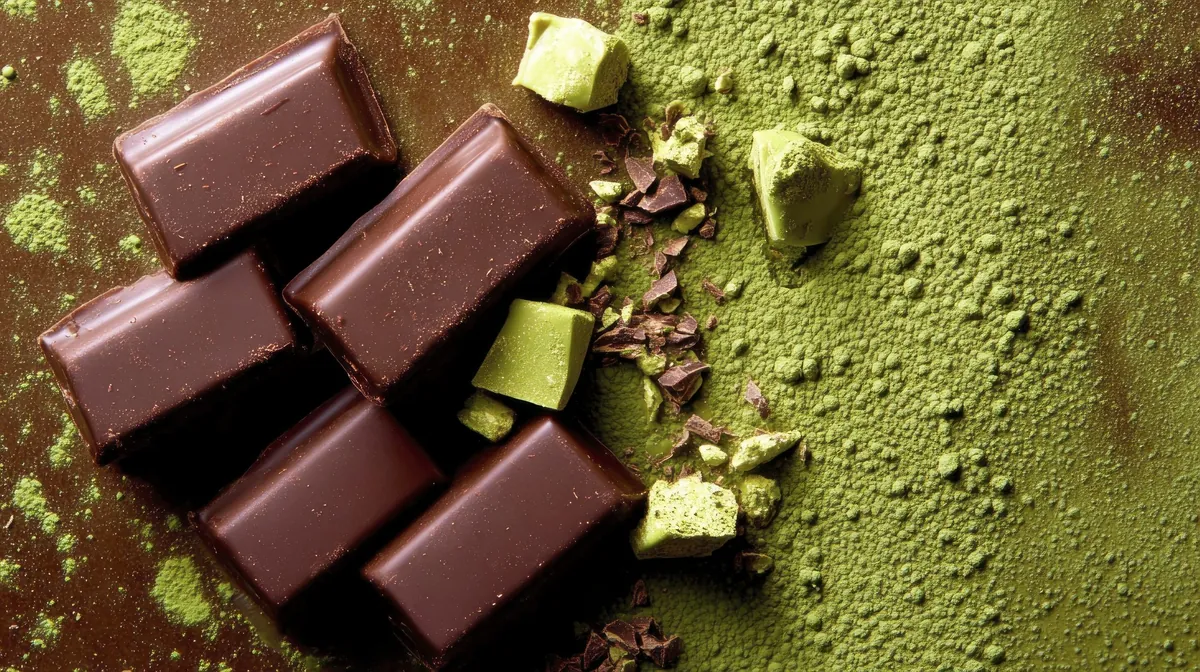
Every ingredient introduced into a chocolate product brings its own sensory characteristics. Matcha can contain green and vegetal notes, umami, bitterness, and astringency. Studies on the sensory profile of matcha have also demonstrated this complexity.
Cocoa, in turn, does not have just one clearly defined flavor. Depending on bean origin, fermentation, drying, roasting, and processing, it can generate varying levels of bitterness, astringency, acidity, roasted notes, fruity notes, floral notes, or nutty characteristics.
As a result, if two ingredients both contribute bitterness or astringency, these characteristics may overlap and, rather than creating complexity, disrupt the sensory balance of the product. For this reason, the main issue is not simply combining cocoa with a new flavor; it is achieving harmony between the cocoa profile and that new flavor.
The Richest Cocoa Is Not Always the Best Choice
In the cocoa industry, flavor intensity is often considered an advantage, and in many products, it genuinely is.
A dark, roasted, and intense cocoa can be highly suitable for dark chocolates, chocolate cakes, or products designed to deliver a deep and powerful flavor.
However, when a product moves toward more delicate and distinctive flavors, that same intensity can become a limitation. Imagine a cocoa with high chocolate intensity, pronounced roasted notes, and considerable bitterness paired with a delicate citrus flavor.
In this situation, the consumer may perceive “cocoa” more strongly than “citrus.” The problem is not the flavor itself; the problem is that the cocoa base has not left enough room for that flavor to be expressed. Therefore, it is important to distinguish between two concepts: cocoa flavor intensity and cocoa sensory compatibility are not the same thing.
Why Are Matcha, Yuzu, and Calamansi Important When Selecting Cocoa Powder?
Because these flavors have sensory characteristics that differ from many classic flavors. Matcha can contribute green, vegetal, umami, bitter, and astringent notes, while yuzu and calamansi are more strongly associated with citrus, aromatic, and acidic characteristics. Therefore, cocoa powder should be selected in a way that does not overshadow these characteristics.
Is the Richest Cocoa Powder Always the Best Choice for Chocolate?
Not always. In some products, high cocoa flavor intensity is an advantage. However, in products containing citrus, botanical, or aromatic flavors, excessive intensity may mask these notes. Therefore, the sensory compatibility of cocoa with the final product can be more important.
The Right Cocoa Is Not Necessarily the Cocoa That Is Perceived the Most
This may be one of the most important shifts in the way we approach cocoa selection for new-generation chocolates.
In a classic product, the objective may be for cocoa to serve as the main character of the product. However, in a product built around citrus, aromatic botanicals, or green tea, cocoa may play a different role. It needs to preserve the identity of the chocolate, add depth to the product, and provide an appropriate body, while still allowing the primary flavor to express itself.
In such a product, a good cocoa is not necessarily the one with the highest intensity. The best choice may be a more balanced cocoa that does not overshadow the other flavors.
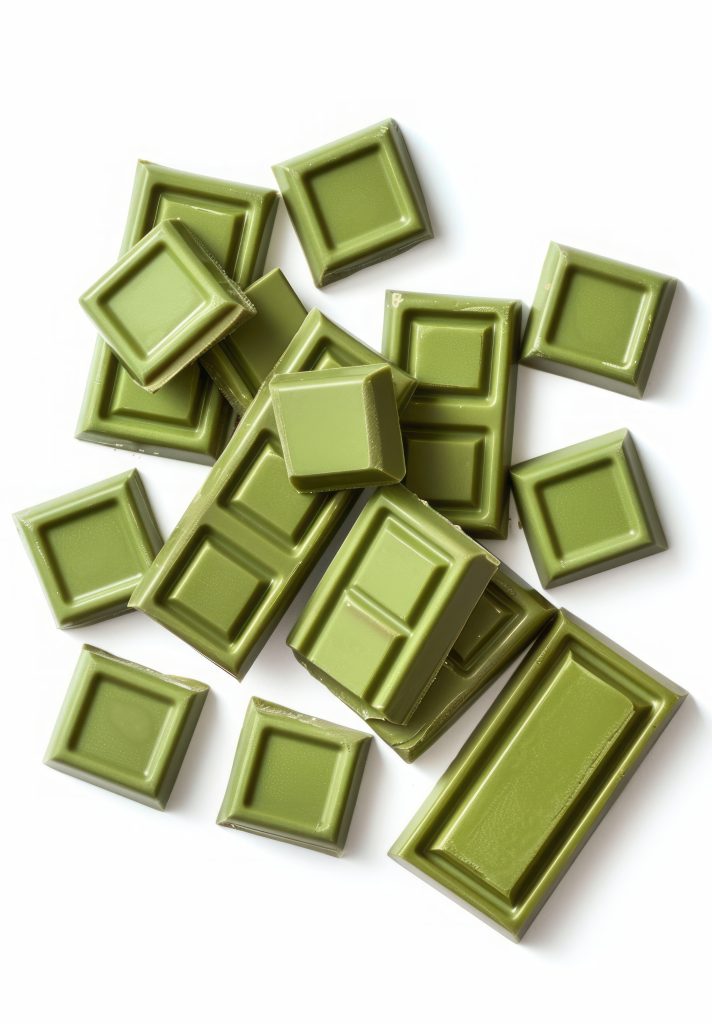
Matcha: When Bitterness and Astringency Come from Two Different Sources
Matcha is one of the flavors that requires greater attention when designing a formulation with cocoa. Contrary to common perception, matcha is not simply a green or vegetal flavor. It contains a complex combination of sensory characteristics, including bitterness, astringency, vegetal character, umami, and green aromas.
From a compositional perspective, catechins and other polyphenolic compounds play an important role in creating the bitterness and astringency associated with tea, while caffeine can also contribute to bitterness. In contrast, amino acids such as theanine contribute to the development of umami characteristics and can help shape the overall sensory experience of matcha.
These characteristics become particularly important when matcha is combined with cocoa, because cocoa itself can also be a source of bitterness and astringency. As a result, in a matcha chocolate, the consumer may encounter two different sources of these sensations simultaneously.
If both ingredients have high levels of bitterness and astringency, the result may be a product that feels excessively bitter, dry, or heavy. In contrast, using a more balanced cocoa profile can leave more room for the vegetal and umami characteristics of matcha to be expressed.
For this reason, in matcha-containing chocolates, reducing cocoa intensity does not always mean reducing quality. Sometimes, reducing cocoa dominance allows the identity of matcha to become clearer, the sensory experience to become more balanced, and the overall product to become more complex.
In this combination, the appropriate cocoa should be selected based on the balance between bitterness, astringency, vegetal aroma, and chocolate depth—not simply on the intensity of the cocoa flavor.
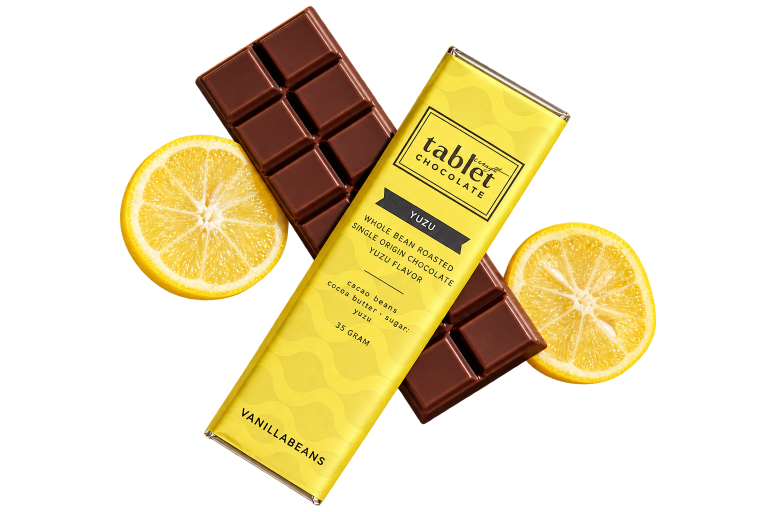
Yuzu: When Acidity and Citrus Aroma Enter Chocolate
Yuzu (Citrus junos) is not simply a sour citrus fruit from a sensory perspective. Its distinctive character is largely associated with the complex mixture of aromatic compounds found in its peel and essential oil.
Studies have identified compounds such as limonene, γ-terpinene, myrcene, and linalool among the aromatic components of yuzu. However, the aromatic identity of yuzu results from a complex combination of multiple volatile compounds and cannot be attributed to a single component alone.
Alongside its aroma, acidity and freshness are also important parts of the sensory experience of yuzu. This combination of citrus aroma and freshness is what makes yuzu particularly attractive for use in new chocolate products.
However, when yuzu is incorporated into a chocolate product, a highly intense, bitter, and roasted cocoa may cause its delicate and volatile aromas to become less noticeable. Under such conditions, cocoa competes with yuzu instead of providing a foundation that allows it to be expressed.
Therefore, in yuzu-containing chocolates, cocoa powder should ideally be selected in a way that preserves the chocolate identity while allowing the citrus aroma to be perceived clearly at the beginning of the sensory experience and the cocoa flavor to emerge effectively afterward.
Put simply, the objective in this combination is not to create the highest possible cocoa intensity, but to achieve a balance between the freshness and acidity of yuzu and the depth of cocoa.
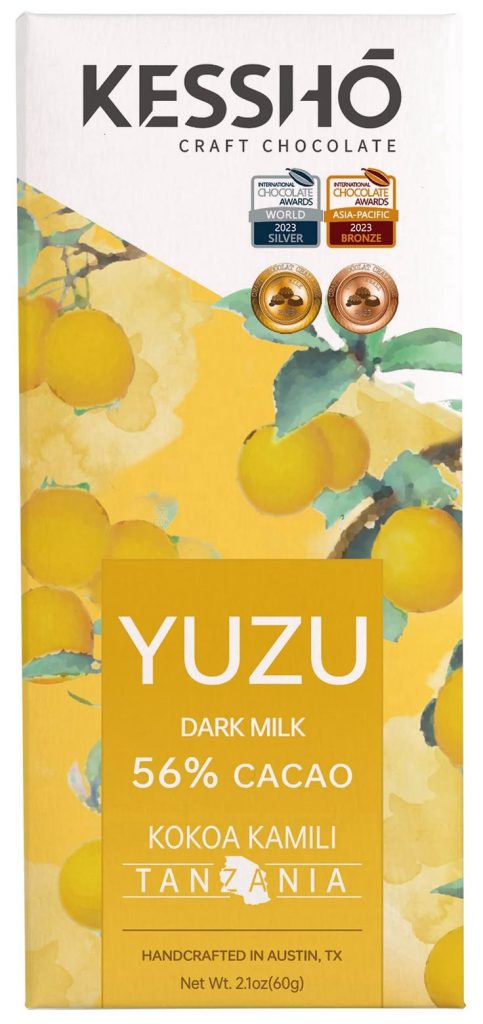
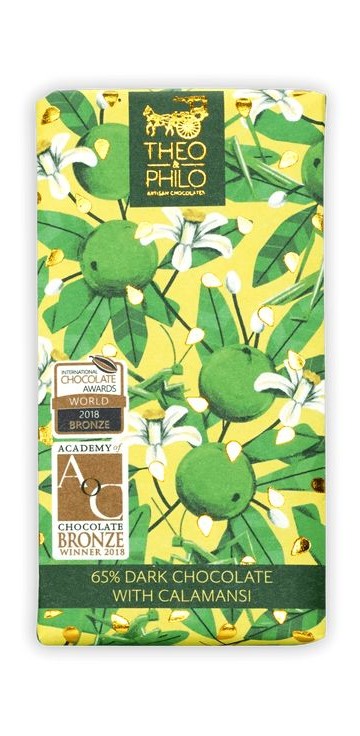
Calamansi: A Citrus Flavor with Higher Acidity and a Complex Aroma
Although calamansi (Citrus macrocarpa) is a citrus fruit, it should not simply be considered a substitute for lemon from a sensory perspective. Its character results from a combination of acidity, citrus aroma, and aromatic compounds, making it an interesting option for developing distinctive chocolate products.
Studies on calamansi have shown that numerous aromatic compounds are present in different parts of the fruit, and the composition of these compounds can vary depending on origin, the part of the fruit used, and processing conditions.In the juice, organic acids particularly citric acid and malic acid—play an important role in creating the sensation of sourness.
As a result, the experience of calamansi is not simply a “sour flavor.” It is the result of an interaction between acidity, citrus aroma, and aromatic compounds.
This characteristic becomes highly important when calamansi is combined with cocoa. If the cocoa powder is excessively bitter and roasted, the bright aroma and freshness of calamansi may become less noticeable. On the other hand, if the cocoa profile is too weak, the product may lack sufficient depth and chocolate identity.
Therefore, in calamansi-containing chocolates, the objective is to achieve a balance between the acidity and citrus aroma of calamansi and the depth and persistence of cocoa.
An important consideration for industrial product development is that the name “calamansi” alone is not sufficient to predict the sensory behavior of the final product. The origin of the raw material, the type of extract or flavoring used, and the final formulation can all influence the sensory experience. For this reason, this flavor is best evaluated in the final product and within the actual chocolate matrix rather than in isolation.
Innovative Cocoa Flavor Pairing؛ Scientific Principles and Formulation Approaches
How Can Combining Innovative Flavors with Cocoa Drive New Food Product Development? Exploring the Scientific Principles of Formulation and Industrial Applications in Cocoa-Based Products...
New Chocolate Flavors
The trend toward innovation in chocolate is not limited to a few specific flavors. In new products, flavor combinations are expanding across a broad spectrum, ranging from botanical and tea-based profiles to citrus, spices, tropical fruits, and even sweet-and-salty combinations.
At one end of this spectrum are flavors such as Matcha, Pandan, Black Sesame, and green or botanical teas, which typically offer green, earthy, vegetal, roasted, or umami notes. At the other end are Yuzu, Calamansi, Passion Fruit, Lemon, and other citrus fruits and acidic fruits that rely more heavily on freshness, acidity, and bright aromas.
Another group of products is moving toward more complex flavor profiles. Combinations such as Chili & Chocolate, Sweet & Salty, Coffee & Spice, Sesame & Caramel, or the use of aromatic spices and botanicals can create a multilayered sensory experience.
These differences are highly important from a formulation perspective. A cocoa that is selected for a caramel or nut-based combination is not necessarily the best choice for a citrus or botanical chocolate. Each flavor family may require a cocoa base with different sensory behavior.
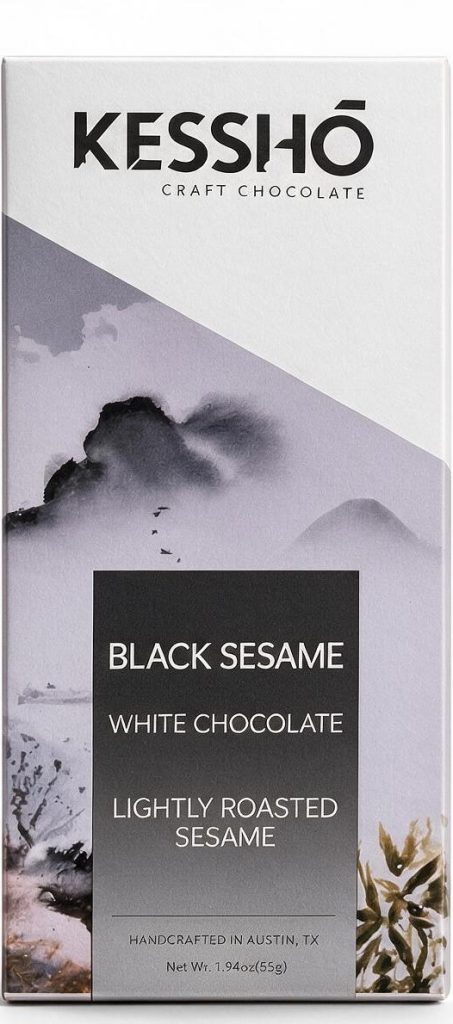
Black Sesame: Where Umami, Fat, and Roasted Notes Enter Chocolate
Black sesame is completely different from yuzu and pandan from a sensory perspective. Its main characteristics combine seed-like, roasted, nutty, slightly earthy, and umami aromas, accompanied by a fatty mouthfeel and relatively long persistence.
During sesame processing, heat plays an important role in aroma development. Browning reactions and the formation of roasted aromatic compounds can create notes resembling nuts, toasted bread, and roasted seeds.
This is where cocoa selection becomes particularly important, because cocoa can also generate similar families of aromas. If both the cocoa and the black sesame have high intensities of roasted and nutty notes, the product may become sensorially heavy and excessively roasted, reducing the delicacy of the sesame’s umami and seed-like characteristics.
As a result, in a chocolate and black sesame combination, the main issue is not creating contrast, but managing the overlap between roasted and nutty aromas. A balanced cocoa profile can preserve chocolate depth while still allowing the distinctive character of black sesame to remain recognizable.
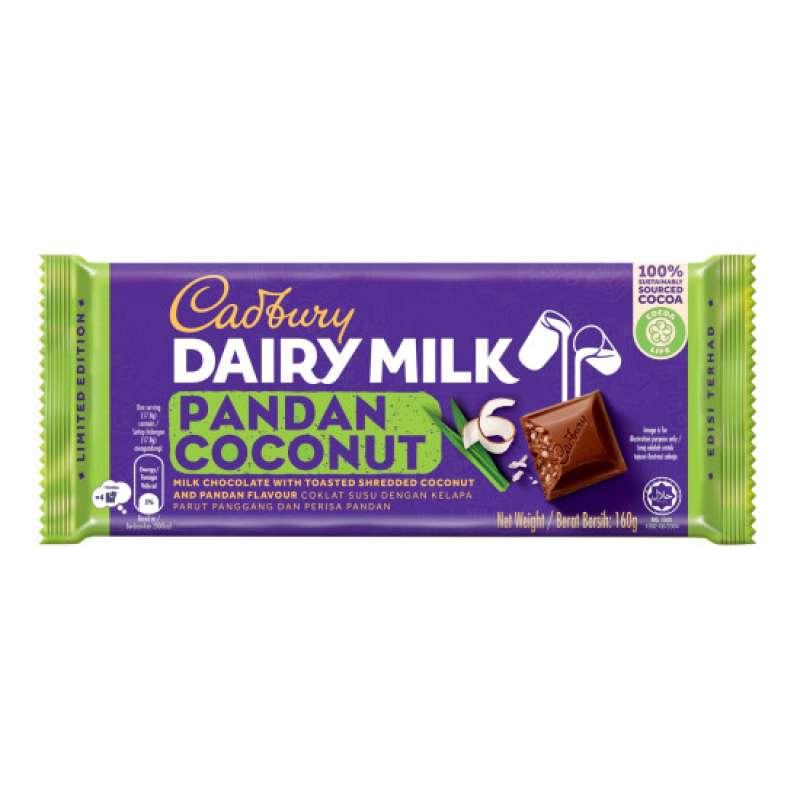
Pandan: A Green, Floral, and Slightly Creamy Aroma
Pandan is not simply a basic botanical flavor. Its characteristic aroma is largely created by a combination of volatile aromatic compounds, one of the most important being 2-acetyl-1-pyrroline, a compound that also plays a role in aromatic rice, popcorn, and certain roasted products.
In pandan, this compound, together with other aromatic substances, creates an aroma that can be described as green, vegetal, floral, rice-like, slightly sweet, and somewhat creamy.
If the cocoa powder is excessively roasted, bitter, or intense, the delicate aroma of pandan may be pushed into the background. In contrast, a balanced cocoa profile can allow the pandan aroma to be perceived at the beginning of the sensory experience, followed by cocoa notes toward the end.
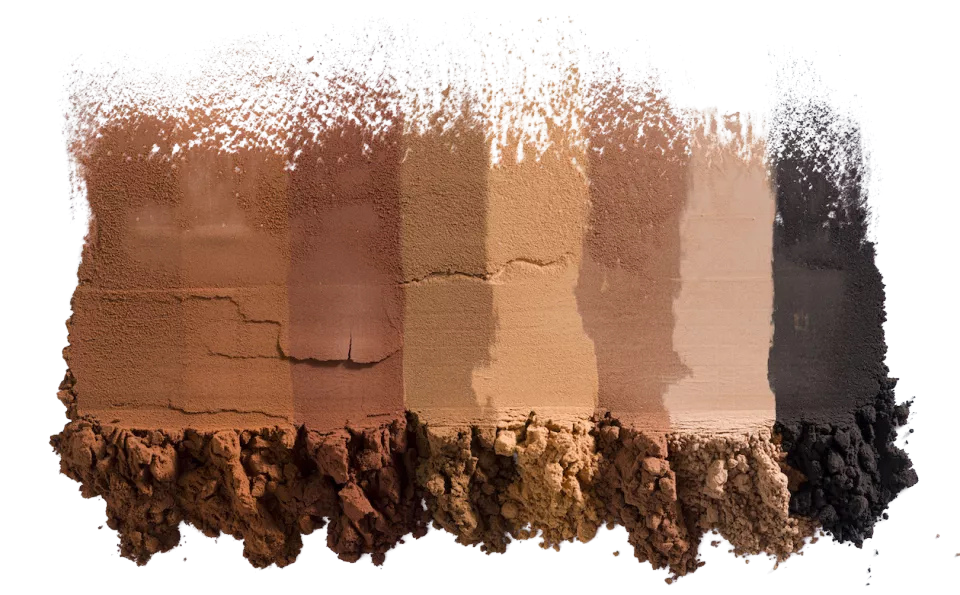
Natural and Alkalized Cocoa Powder: The Difference Is Not Just About pH
One of the important discussions in selecting cocoa powder for new-generation chocolates is the difference between natural and alkalized cocoa. Natural cocoa is produced without an alkalization stage, meaning that more of its natural acidity is retained. In contrast, alkalization increases pH and can alter acidity, color, bitterness, astringency, dispersibility, and certain aroma and flavor characteristics. For this reason, the difference between natural and alkalized cocoa should not be reduced to a single pH value.
The alkalization process can also influence phenolic compounds, color, and the overall aroma and flavor profile. Research has shown that the intensity and conditions of this process can lead to significant changes in the chemical and sensory characteristics of cocoa. Therefore, when selecting either natural or alkalized cocoa, part of the sensory identity of the raw material is also being selected.
Natural vs Alkalized Cocoa Powder: pH, Color & Flavor
A Comparison of Alkalized and Natural Cocoa Powder: pH, Color, Acidity, Flavor Profile, and Formulation Performance...
Is Natural Cocoa More Suitable for New-Generation Chocolates?
Because natural cocoa retains more of its acidity, it may be worth considering for certain products with bright, citrus, or botanical flavors. However, its bitterness, astringency, roasted notes, and other characteristics should also be taken into account. The final selection should be based on sensory testing and evaluation in the actual product.
Should Cocoa Powder Be Selected Based on the Type of Final Product?
Yes. The same cocoa powder that performs well in a chocolate cake or beverage may not necessarily be the best option for a chocolate containing citrus or botanical flavors. The formulation conditions and sensory objective of each product should be considered when selecting the raw material.
Roasting Adds Depth, but It Can Also Hide Delicate Flavors
Roasting is one of the important stages in the development of cocoa aroma and flavor. Thermal reactions, including the Maillard reaction, play a role in producing many aromatic compounds, and part of cocoa’s roasted, chocolatey, and nutty characteristics results from these processes.
However, the intensity of heat is also important. The stronger and heavier the roasted character of the cocoa becomes, the greater the possibility that more delicate flavors in the product may become less noticeable.
Therefore, in a product designed to deliver a distinct citrus or botanical flavor, “more roasted” does not always mean “better.” The objective should be to achieve sufficient depth without masking the other notes.
First Impression Matters, but We Should Not Forget the Aftertaste
A chocolate may have a highly appealing aroma upon first contact, but the experience can change over the following seconds. In multilayered products, the consumer first perceives aroma and opening notes, followed by the main flavor, and finally the aftertaste.
The cocoa profile can play a different role at each of these stages. A balanced cocoa may allow a citrus flavor to stand out at the beginning while cocoa and roasted notes remain at the end of the experience.
This becomes even more important for new flavors because the objective is not simply to create an “attractive first flavor.” The product must also deliver a complete and recognizable experience at the end.
As a result, the evaluation of a cocoa profile should not be based solely on flavor intensity at first impression. Flavor persistence and aftertaste can also be important selection criteria.
New-Generation Chocolates Are Not About Eliminating Classic Cocoa
This point is particularly important. The introduction of matcha and yuzu does not mean that classic cocoa is going to be replaced. On the contrary, cocoa remains the central pillar of chocolate identity.
However, its role changes in certain products. Sometimes it needs to be the center of attention. Sometimes it needs to provide depth. Sometimes it needs to move into the background so that a new flavor can be perceived more clearly.
This change does not mean that cocoa is becoming weaker. It means that the role of cocoa in the product is becoming more intelligently defined.
A Darker Color Does Not Necessarily Mean a Better Profile
Another criterion that sometimes receives excessive attention is color. A dark color is considered a commercial and visual advantage for many chocolate products. However, it is important to recognize that color and flavor intensity do not necessarily have a direct relationship.
The alkalization process can significantly darken the color of cocoa, while a change in color alone cannot determine its compatibility with a particular flavor.
Therefore, if a product concept is built around a bright and citrus-driven experience, selecting a raw material simply because it is “darker” may move the product away from its primary sensory objective.
The Chocolate Experience Is Not Built on Taste Alone
When we talk about a Cocoa Profile, we are not evaluating Taste alone. Texture, mouthfeel, melting rate, particle size, and the way aromas and flavors are released can also influence the final experience. A particular flavor may be extremely clear in one chocolate matrix while being perceived more weakly in another formulation.
For this reason, cocoa should be evaluated as much as possible in the actual product or in a matrix that closely resembles the final product. This becomes even more important for new products designed to create multiple stages of sensory experience.
A Good Product Is Not Simply About “Combining Flavors”
One of the differences between an ordinary product and a successful one is the way flavors are positioned alongside one another. In a multilayered chocolate, the consumer may first perceive a citrus aroma, then experience the primary flavor, and finally retain cocoa notes in the mouth.
In another product, the opposite may occur: cocoa may dominate from the beginning, while the new flavor is perceived only in the background. Both products may be technically feasible, but the consumer experience will not be the same. For this reason, in the development of New World Chocolate products, not only the intensity of each flavor matters; the timing and manner in which flavors emerge during consumption are equally important.
What Does “Cocoa Sensory Compatibility” Mean?
Sensory compatibility refers to the extent to which the flavor and aroma profile of cocoa is aligned with the other components of a product. A cocoa with appropriate sensory compatibility can preserve the identity of the chocolate while still allowing other flavors to be perceived clearly.
Does New-Generation Chocolate Mean That Classic Chocolates Are Being Replaced?
No. This trend does not mean that classic flavors are being eliminated. Rather, it represents an expansion of the range of flavors and sensory experiences within the chocolate industry. Classic cocoa continues to play an important role, but in certain new products, its function may need to shift from being the dominant flavor to providing depth and structure.
What Is the Most Important Criterion for Selecting Cocoa for New-Generation Chocolates?
The selection process should consider technical specifications, sensory profile, type of application, target flavor, and the performance of the ingredient in the final formulation simultaneously.
Ultimately, the key question is not: Which cocoa is stronger?
The more important question is: Which cocoa profile is best suited to the intended sensory experience?
Conclusion: The Future of Cocoa Selection Is Not Only About Numbers
New-generation chocolates are one of the official chocolate industry trends for 2026, and the introduction of flavors such as matcha, yuzu, and calamansi is only the visible part of this shift.
The more important development is the change in the way products are designed. Cocoa should no longer be evaluated solely based on color, pH, fat content, or flavor intensity. The best cocoa is not necessarily the cocoa that is perceived the most strongly. Sometimes, the best cocoa is the one that allows all components of the product to be heard more clearly and understood more effectively.