How to Select the Right Cocoa Powder for Protein Bar
Why Is Cocoa Powder for Protein Bar a Strategic Formulation Decision ?
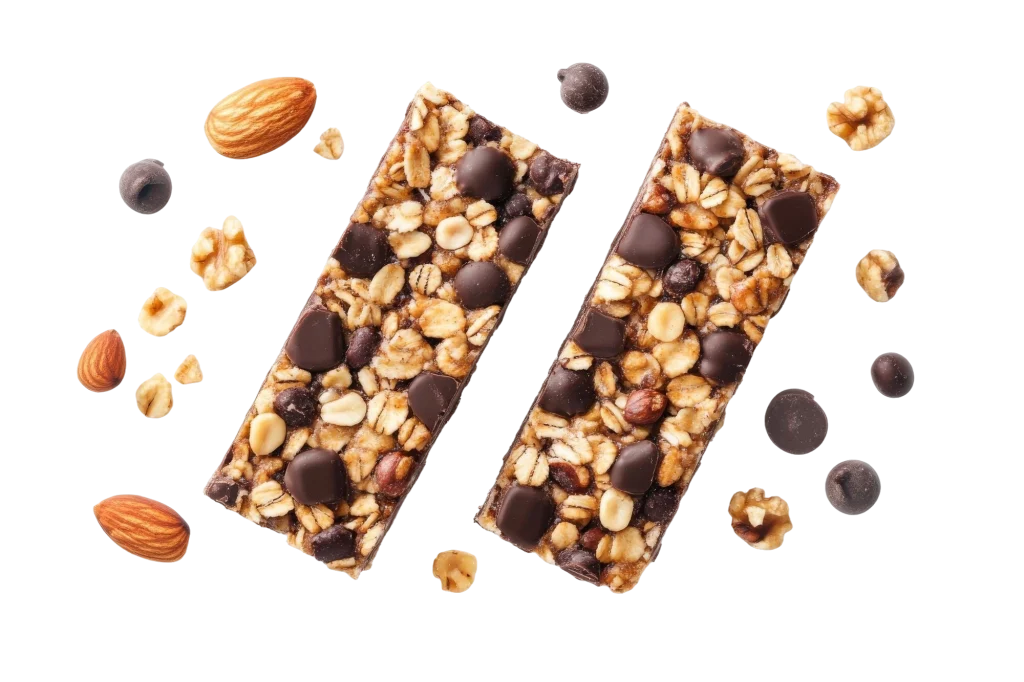
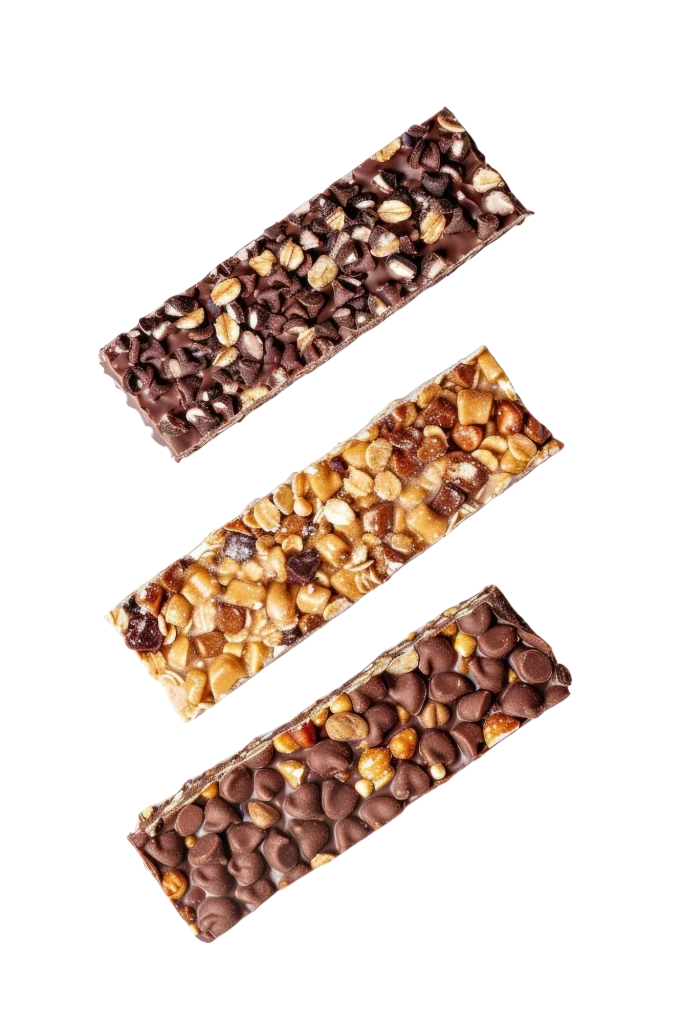
A protein bar is a compressed matrix built around a protein network, typically based on whey, soy isolate, or plant proteins, combined with sweeteners, fats and functional ingredients. In this semi-solid structure, the balance between moisture, fat phase and particle distribution determines texture behavior, processing performance and long-term stability.
In high-protein formulations, Cocoa Powder for Protein Bar is not simply a flavor component. It acts as a structural variable that simultaneously influences several critical parameters:
Control of bitterness and protein off-notes
Texture regulation and reduction of chalkiness
Management of hardening rate during shelf life
Impact on final formulation cost
In systems with high whey or plant protein content, bars are inherently prone to dryness, bitterness and progressive hardening. The selection of Cocoa Powder for Protein Bar can either intensify or mitigate these challenges.
In summary:
Alkalized (Dutch-processed) cocoa, with higher pH and lower acidity, helps reduce whey bitterness and enhance chocolate perception.
High-fat cocoa (20–22%) functions as a plasticizing phase, lowering internal friction within the protein matrix and improving mouthfeel.
Cocoa fat level and pH directly influence water mobility and structural tightening over the first 30–90 days of storage.
Therefore, in protein bar design, Cocoa Powder for Protein Bar should not be viewed as a replaceable ingredient, but as a functional lever for texture engineering, flavor control and shelf-life management.
In industrial formulations, optimal selection requires balancing technical performance with economic impact.
What Causes Protein Bar Hardening During Shelf Life ?
Protein bar hardening is a multi-factorial phenomenon and typically intensifies within the first 30–90 days of storage. The primary mechanisms include:
-
Moisture migration and redistribution between protein, fat and binder phases
-
Increased protein–protein interactions under reduced water activity (aw)
-
Lipid oxidation progression (increase in PV, FFA and TBA values)
-
Fat phase restructuring and crystallization changes

These findings highlight the critical role of moisture management and fat system design in maintaining structural stability in protein bars.
What Is the Role of Water Activity (aw) in Structural Changes of Protein Bars ?
Water activity (aw) is one of the most critical parameters in shelf-life design of protein bars. It reflects the amount of free, available water for chemical reactions and structural rearrangements within the matrix.
In the study Development of Shelf-Stable Protein Rich Composite Cereal Bar, the lowest oxidative changes were reported at an aw of approximately 0.33.
From an industrial perspective:
At aw levels above ~0.57, lipid oxidation accelerates.
At very low aw, the protein network tightens more rapidly, increasing hardness.
Effective aw control is therefore directly linked to managing progressive hardening during storage.
In practical formulation, Cocoa Powder for Protein Bar influences moisture distribution and internal matrix balance, indirectly affecting water mobility and structural stability.
How Does the Fat System Influence Hardness Control in Protein Bars ?
The fat phase in protein bars is not merely an energy source ;it functions as a mechanical regulator within the matrix.
Reduced fat levels may lead to:
Increased internal friction
Faster protein network compaction
Accelerated hardening during shelf life
High-fat cocoa (20–24%) used as Cocoa Powder for Protein Bar can act as a plasticizing phase within the protein matrix. By increasing the fat contribution, internal friction between protein particles decreases, resulting in improved texture softness and structural flexibility.
In industrial production, increasing the share of high-fat cocoa in the formulation is frequently associated with a measurable reduction in hardening rate during the first months of shelf life.
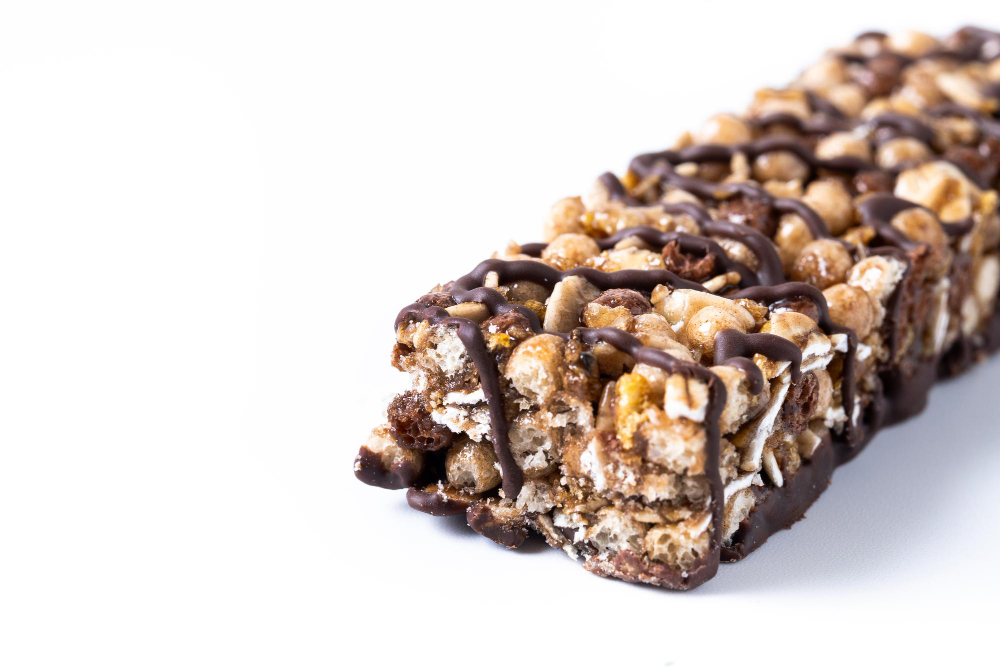
What role does cocoa powder play in the stability of chocolate coatings and how does it help prevent protein-bar breakage ?
Cocoa powder in chocolate coatings serves far more than a flavor and color function. As a functional particulate ingredient, its fine cocoa solids interact with the fat phase to support the development of a stable lipid‑crystal network. This structural contribution helps the coating:
- Increase resistance to cracking and mechanical fracture
- Reduce crumbling, chipping and surface particle loss
- Maintain overall coating cohesion during transport, storage and consumption
Because of this structural role, selecting the right cocoa powder grade directly influences the durability, texture stability and final quality performance of the protein bar.
How Is Whey Protein Bitterness Controlled in Protein Bars ?
Bitterness in high-protein bars is typically associated with:
Short-chain peptides derived from whey protein
Off-notes from soy isolate or certain plant proteins
Specific phenolic interactions that create lingering or drying aftertaste
In these systems, the selection of Cocoa Powder for Protein Bar can either amplify or moderate bitterness perception depending on pH level and processing method.
Why Can Natural Cocoa Intensify Bitterness ?
Natural cocoa typically:
Has a lower pH
Is more acidic
Produces a sharper, brighter chocolate note
In formulations containing whey or soy protein, these characteristics can highlight protein-related off-notes. As a result, bitterness perception may increase and additional sweetener adjustments may be required.
How Does Dutch-Processed Cocoa Help Reduce Bitterness ?
During Dutch processing (alkalization) :
pH increases
Acidity decreases
Chocolate flavor becomes deeper and rounder
Masking ability toward protein off-notes improves
In technical formulation analysis, alkalized Cocoa Powder for Protein Bar is frequently recognized as an effective tool for reducing perceived bitterness in high-protein systems, especially those rich in whey.
Frequent Challenges in Chocolate Protein Bar Formulation
In high-protein bars (typically >20% protein), product behavior is driven by interactions between the protein network, fat phase, moisture migration and the binder system (such as glucose syrups). Within this multi-phase matrix, Cocoa Powder for Protein Bar becomes a functional variable that can influence progressive hardening, bitterness perception, color intensity and extrusion flow behavior.
Below, each issue is examined from a formulation engineering perspective.
Why Does Low-Fat Cocoa Powder Change the Color of Protein Bars ?
In chocolate protein bars, cocoa color intensity and stability originate at the cocoa bean level and are later influenced by biochemical reactions and final matrix composition.
The brown color and its stability depend primarily on three factors:
Degree of cocoa bean fermentation
Polyphenol–protein interactions during processing
Thermal treatment intensity (roasting and alkalization)
During fermentation:
Storage proteins are partially broken down
Polyphenols undergo oxidation
Aroma precursors and colored compounds are formed
These reactions contribute simultaneously to flavor development and the formation of the characteristic chocolate color base.
Why Is Color Fading Observed in Low-Fat Formulations ?
In low-fat systems, reduced fat phase alters how light interacts with the protein matrix. Even when cocoa dosage remains constant, lower fat levels can make the product appear lighter.
Color reduction in protein bars is typically associated with :
Decreased fat coating of particles
Changes in light reflection and absorption
Reduced visual depth
Lower enhancement of chocolate perception
In practice, chocolate perception in protein bars depends not only on cocoa concentration but also on :
Color intensity
Uniform particle distribution
Presence of a continuous fat phase for smoother surface reflection
In low-fat systems :
Dark tones appear less intense
The product may seem less premium
Sensory evaluation of chocolate flavor can be perceived as weaker
For this reason, selecting the appropriate Cocoa Powder for Protein Bar must consider fat level, optical behavior and final product positioning; not color value alone.
What Causes Protein Bar Stickiness in the Extruder ?
Excessive stickiness of protein bar dough during extrusion is typically caused by imbalance between moisture, fat phase and the viscoelastic behavior of the protein matrix.
In high-protein products, three key factors intensify this issue:
Low bulk density and very fine cocoa particles
Finer particles create higher surface area and absorb more moisture, which can increase dough adhesion and screw torque during extrusion.Low fat content in cocoa powder
Reduced internal fat increases friction between protein particles and the extruder wall. In industrial production, this may result in:Increased line pressure
Higher energy consumption
Output instability
Non-uniform fat phase distribution
If fat is not evenly dispersed within the protein network, flow behavior becomes unstable and localized sticking increases.
In practice, using high-fat (20–22%) Cocoa Powder for Protein Bar can act as a lubricating phase. By increasing internal fat contribution, friction between protein particles and contact with the screw surface decreases, leading to more stable flow and reduced pressure fluctuation.
Natural vs Alkalized Cocoa Powder
Natural Cocoa
Lower pH (more acidic)
Reddish-brown tone
Stronger emphasis on whey or soy off-notes
Suitable for clean-label or lighter flavor profiles
Alkalized (Dutch-Processed) Cocoa
Higher pH
Darker, deeper chocolate color
Improved masking of protein off-notes
Stronger chocolate perception in high-protein systems
For bitterness control, alkalized Cocoa Powder for Protein Bar is generally preferred. Natural cocoa is more suitable in formulations targeting lighter tones or minimal processing positioning.
Low-Fat vs High-Fat Cocoa Powder
Low-Fat (10–12% fat)
Higher internal friction within the protein matrix
Greater risk of progressive hardening during shelf life
Lighter color appearance in reduced-fat systems
Lower cost per kilogram
High-Fat (20–22% fat)
Reduced internal friction and improved mouthfeel
Better structural stability during storage
Improved extrusion flow behavior
Higher ingredient cost but lower reformulation risk
For products prioritizing soft texture and stability, high-fat Cocoa Powder for Protein Bar offers more predictable performance. In cost-sensitive formulations, low-fat cocoa requires tighter control of other functional parameters.
pH Interaction with Whey Proteins
Cocoa pH affects both flavor perception and protein network interaction:
Lower pH → sharper, more acidic perception
Higher pH → rounder chocolate notes and reduced flavor harshness
In whey-dominant systems, pH control becomes a critical sensory adjustment tool.
Particle Size and Bulk Density
Finer particles → greater surface area → higher moisture absorption
Lower bulk density → altered flow behavior in mixer and extruder
Uniform particle distribution → improved color stability and texture consistency
In production lines, these parameters directly influence torque, line pressure and final product uniformity.
Technical Comparison of Cocoa Powder Types in Protein Bar Formulation
After analyzing hardening, stickiness, bitterness and color behavior in high-protein systems, cocoa types can now be compared within a decision-oriented framework focused on application; not repetition of mechanisms.
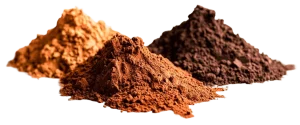
Dark Cocoa Powder vs. Natural Cocoa Powder : Which One Is Right for Your Product ?
Achieving the desired flavor and color profile in a protein bar depends heavily on selecting the correct type of cocoa powder. For a deeper understanding of the differences between dark cocoa powder and natural cocoa powder and how each one performs in various applications, refer to the article “BENSDORP Dark Cocoa Powder | The Secret Behind the Long‑Lasting Color of Professional Brands.”
- Related articles
Everyday Applications: Travel, Work and Daily Mobility
In time‑restricted situations (commuting, office hours or university schedules) protein bars deliver rapid, convenient energy and protein without preparation. Their lightweight format, portability and no‑refrigeration requirement make them a reliable choice for individuals needing consistent nutrition during daily activity.
Protein Bars for Vulnerable Groups: Children, Seniors and Patients
When adequate protein intake is challenging (such as for children, the elderly or patients) protein bars offer a safe, portable and preparation‑free nutrition option. Soft textures, balanced flavor profiles and ambient stability make them suitable for sensitive groups, especially when fast energy intake or limited access to fresh foods is a concern.
Protein Bars : A Stable On‑the‑Go Nutrition Format for Modern Lifestyles
Modern protein bars have evolved beyond their original position as sports snacks. They serve as portable, shelf‑stable, high‑nutrition mini‑meals that support busy lifestyles. With long shelf life, low weight and high nutrient density, protein bars provide a dependable solution in travel, work environments, universities, gyms and even emergency situations where access to fresh food is limited.
What Type of Protein Bar Does Generation Z Prefer ?
Generation Z gravitates toward products that combine clean‑label formulations, authentic flavor, clear functionality and transparent brand identity. Protein bars formulated with natural cocoa, real chocolate perception, minimal‑processing cues and visually distinctive packaging align best with Gen Z expectations.
Why Natural Cocoa Is Used in Clean‑Label Protein Bars ?
In clean‑label protein bar formulations, raw materials must be minimally processed, transparent in origin and scientifically explainable. Natural cocoa meets these criteria because it maintains the native cocoa bean structure and preserves its natural pH. It offers:
- Higher levels of bioactive compounds
- A shorter, more transparent processing chain
- Strong consumer perception of being “less processed” and “more trustworthy”
For this reason, natural cocoa is not merely a flavoring; it is a philosophically aligned ingredient that supports clean‑label formulation principles.
Cocoa and Its Role in Brain and Mental Health
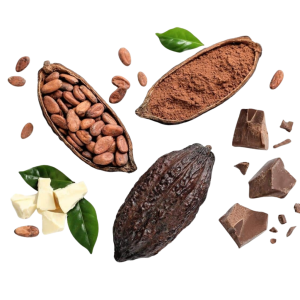
In health‑focused protein bar systems, cocoa derivatives provide more than flavor. Their bioactive compounds can support focus, mood regulation and cognitive performance, especially during stress or crisis conditions. For further insight and real‑world examples, refer to the article “Cocoa, the Brain and Mental Health.”
- Related articles
Color Perception and Consumer Impact in Protein Bars
Even among alkalized cocoa powders, differences in color depth and visual intensity can influence consumer perception.
Darker tones are often associated with :
Stronger chocolate character
Premium positioning
Higher cocoa intensity perception
Medium-dark or slightly reddish tones may appear more natural and balanced in high-protein formulations.
Final selection of Cocoa Powder for Protein Bar therefore depends not only on pH or fat percentage, but on :
Optical behavior in low-fat matrices
Brand positioning
Defined sensory targets
Precise color profiling becomes part of overall product experience design.
Functional Protein Bars: The Next Generation of Performance Snacking
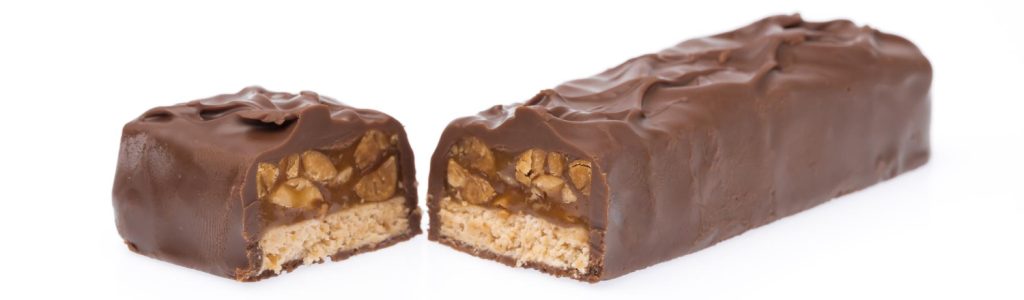
The global market is shifting toward functional protein bars incorporating performance‑enhancing components such as:
- Caffeine for energy
- Collagen for skin and joint support
- Electrolytes for recovery
- Bioactive vitamins for metabolic function
Selecting the appropriate cocoa system is essential for masking off‑notes from functional ingredients and delivering bars with both high performance and superior sensory experience.
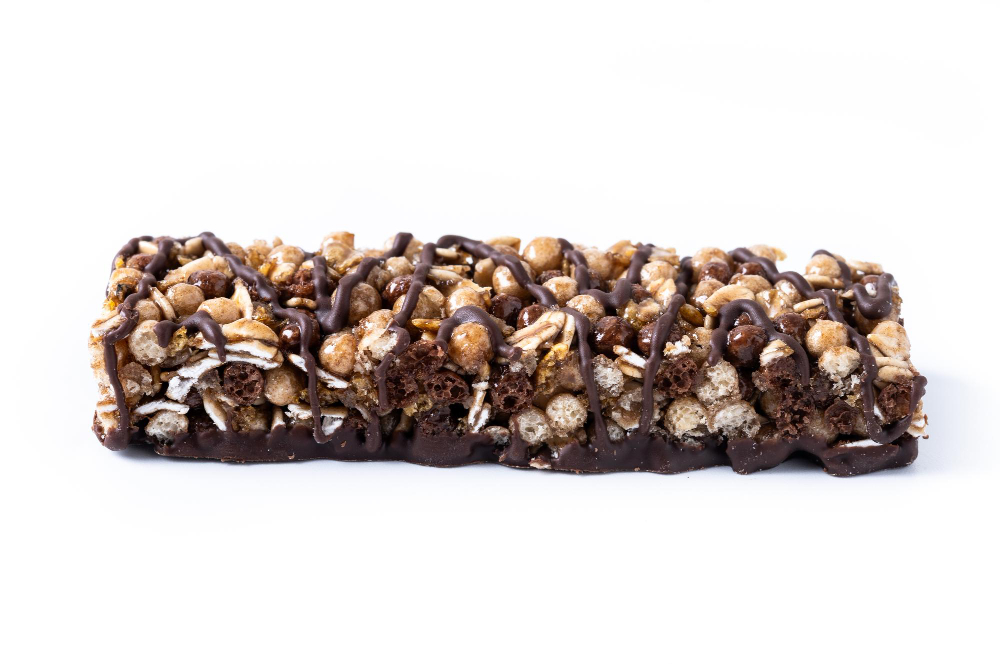

Gothic‑Inspired Darkness | Product Creation with Dark Cocoa Powder
For a deeper understanding of how color influences the perception of premium products, refer to the article “Gothic‑Inspired Darkness | Product Creation with Dark Cocoa Powder.”
- Related articles
How to Select the Right Cocoa Powder for Protein Bar Formulation ?
Among alkalized cocoa powders, some profiles are optimized for color balance and processing stability, while others are designed to deliver deeper visual intensity and stronger chocolate perception. Selecting the appropriate Cocoa Powder for Protein Bar depends on formulation goals, product positioning and defined sensory expectations.
In practice, final selection should align with real production conditions, protein system behavior, fat level and target shelf-life performance. Pilot trials under actual processing parameters remain the most reliable path to making a technically sound and commercially viable decision.