


What Factors Determine Cocoa Powder Performance in Dairy Products?
The performance of cocoa powder in dairy products depends on a combination of physical, chemical, and sensory properties. Contrary to common belief, selecting cocoa powder is not based solely on color or fat content, as each of these characteristics can significantly influence how the powder behaves within a dairy system.
Particle size is one of the key factors affecting texture and product stability. Coarser particles can create a gritty mouthfeel and increase the likelihood of sedimentation, whereas finer particles generally provide better dispersion and contribute to a smoother, more homogeneous texture.
The degree of alkalization and pH also influence the color, flavor, and interactions between cocoa powder and other formulation ingredients. Alkalized cocoa powders typically exhibit a darker color, lower acidity, and a milder flavor profile, making them a preferred choice for many chocolate-flavored dairy applications.
Fat content plays an equally important role in aroma intensity and mouthfeel. Cocoa powders with higher fat content contain more cocoa butter, which can enhance chocolate flavor and deliver a richer, creamier sensory experience.
For this reason, research and development teams evaluate cocoa powder not only against its technical specifications but also by assessing its performance under actual processing conditions and within the complete product formulation.
Why Choosing the Right Cocoa Powder for the Dairy Industry Matters ?
Selecting the right cocoa powder for dairy applications is not just a procurement decision ; it directly impacts the final product’s quality, consumer experience, customer satisfaction and even production costs.
?What isThe Role of Cocoa in Flavor, Color and Texture of Dairy Products
Cocoa powder is more than just a flavoring agent. In dairy products like chocolate milk, dairy desserts and ice cream, it plays a significant role in shaping the flavor profile, color intensity and overall mouthfeel.
Choosing the appropriate cocoa type (such as alkalized cocoa with a natural dark color or high-fat cocoa for enhanced aroma ) can deliver a superior sensory experience at a lower dosage rate. In highly competitive markets like ice cream or chocolate spreads, both taste and visual appeal are critical factors that drive customer satisfaction and repeat purchases.
High-Fat Cocoa Powder | Ideal for Richer Texture and Flavor :
High-fat cocoa powder, with its higher cocoa butter content, is an ideal choice for applications where a deep chocolate flavor, intense aroma, and enhanced mouthfeel are essential. Cocoa butter plays a critical role in carrying and retaining aroma compounds while contributing to a richer, creamier sensory profile in the finished product. As a result, high-fat cocoa powder is widely used in premium applications such as chocolate dairy desserts, chocolate spreads, and rich cocoa ice creams.
In high-fat formulations, high-fat cocoa powder can improve flavor coverage, enhance chocolate intensity, and create a smoother texture. The increased cocoa butter content also promotes better compatibility with the product’s fat phase, helping maintain sensory quality and flavor stability throughout the product’s shelf life.
Low-Fat Cocoa Powder | Best for Beverages :
Low-fat cocoa powder is commonly used in applications where fat control, stability in liquid systems, and cost optimization are key formulation priorities. In chocolate dairy beverages such as industrial chocolate milk, protein drinks, and low-fat dairy products, this type of cocoa powder offers reliable performance while providing greater flexibility in managing the overall fat content of the formulation.
In these applications, the primary objective is to achieve an appealing chocolate flavor while ensuring uniform particle dispersion and maintaining product stability throughout its shelf life. Additionally, low-fat cocoa powder can be an effective choice for manufacturers seeking to develop products with a more competitive production cost without compromising overall quality.
The Difference Between Low Fat and High Fat Cocoa Powder in the Dairy Industry :
In the dairy industry, choosing between high-fat and low-fat cocoa powder depends on the final product type and formulation objectives. Each variant offers distinct characteristics and advantages within dairy matrices.
High-fat cocoa powders are best suited for applications where rich chocolate flavor, intense aroma, and a creamier mouthfeel are top priorities. In contrast, low-fat cocoa powders are typically preferred for products in which fat control, stability in liquid systems, and production cost optimization are of greater importance.
However, fat content should not be considered the sole criterion when selecting cocoa powder. The optimal choice for any application should be based on comprehensive technical and sensory evaluations conducted under actual processing and production conditions.
Best Cocoa Powder for Industrial Dairy Desserts :
Professional Standard for Chocolate Mousses, Puddings, and Dairy Spreads
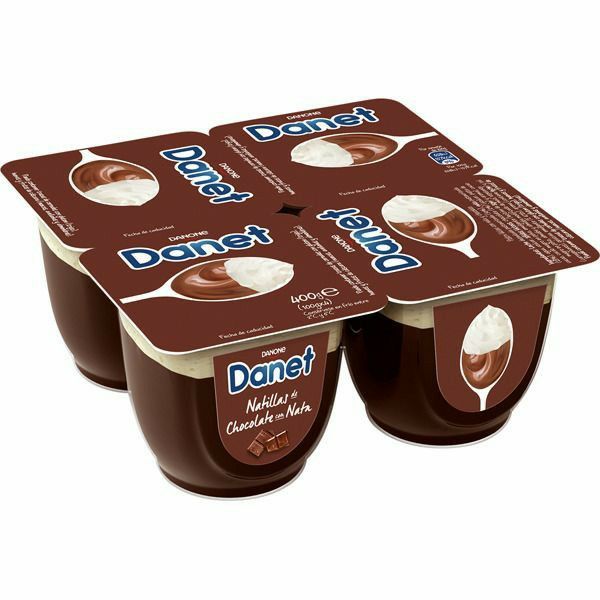
In the production of industrial dairy desserts such as chocolate mousses, puddings, and breakfast spreads, selecting the right cocoa powder has a direct impact on the sensory attributes and functional performance of the finished product. For these applications, high-fat cocoa powder with a fat content of approximately 22–24% is often the preferred choice due to its higher cocoa butter content, which contributes to a richer chocolate flavor, longer-lasting aroma, and a more indulgent mouthfeel.
The cocoa butter naturally present in high-fat cocoa powder enhances the release and retention of aroma compounds, intensifies chocolate flavor, and helps create a smoother, creamier texture. In addition, high-fat alkalized cocoa powders are widely used in chocolate dairy desserts because they provide a darker color, lower acidity, and a more balanced chocolate flavor.
Why Is High-Fat Cocoa Powder Preferred for Dairy Desserts?
Delivers a rich, authentic chocolate flavor and an appealing dark color.
Provides excellent dispersion in dairy-based formulations.
Contributes to improved viscosity, body, and texture.
These benefits are supported by extensive R&D experience and validated through industrial-scale application trials. By selecting premium cocoa powders from leading manufacturers such as Bensdorp and Barry Callebaut, food manufacturers can achieve greater product consistency, reliable processing performance, and superior sensory quality across production batches.
Why Is Preventing Cocoa Powder Sedimentation in Cold Milk So Important?
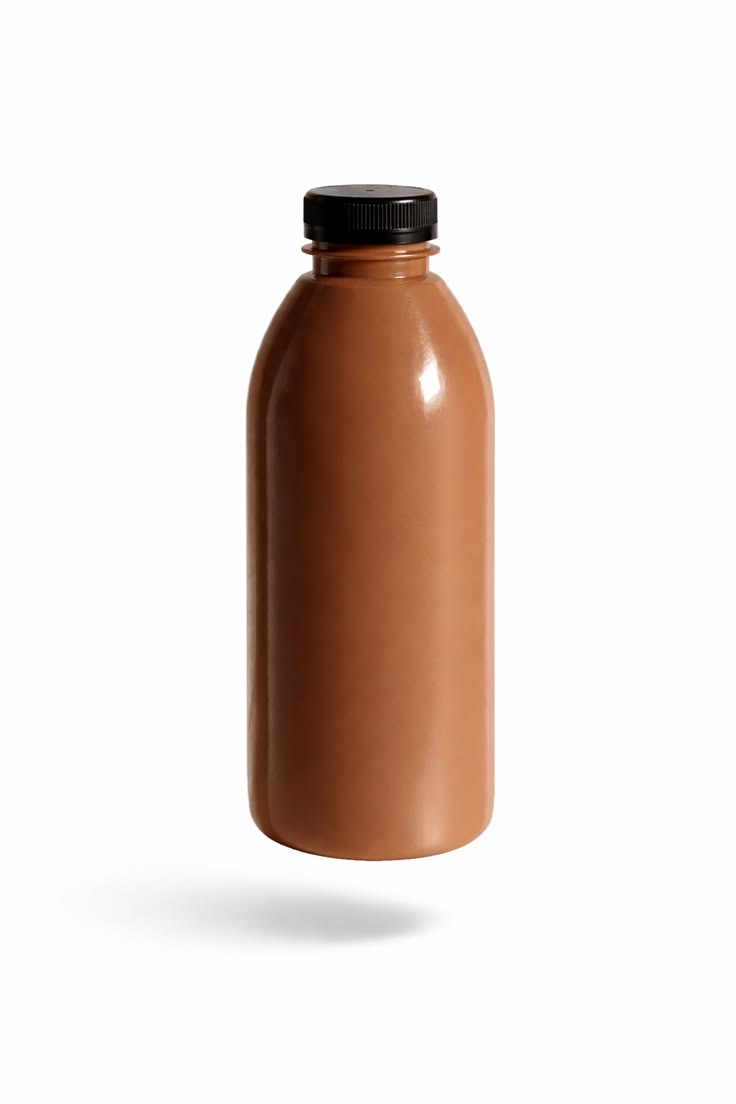
In chocolate dairy beverages—particularly products intended for cold consumption—maintaining cocoa particle suspension is one of the most critical formulation challenges. Unlike soluble ingredients, cocoa powder does not fully dissolve in milk; instead, it remains as suspended particles throughout the liquid. As a result, characteristics such as particle size, dispersibility, and suspension stability play a decisive role in the overall quality of the finished beverage.
When cocoa powder does not disperse effectively in cold milk, the particles gradually settle to the bottom of the container. This sedimentation leads to visual instability, inconsistent flavor distribution, and an undesirable mouthfeel. It can also reduce consumer acceptance and increase the need for stabilizers or suspending agents to maintain product integrity, ultimately raising production costs.
For this reason, selecting a cocoa powder with a controlled particle size distribution, excellent dispersibility, and reliable suspension performance at low temperatures is essential for manufacturing high-quality chocolate dairy beverages. These properties help maintain a uniform appearance, ensure consistent chocolate flavor distribution, and deliver a superior sensory experience throughout the product’s shelf life.
High Solubility: The Key to Preventing Sedimentation in Chocolate Milk and Dairy Beverages :
In the production of chocolate milk and dairy-based beverages, poor solubility of cocoa powder can lead to sedimentation, sludge formation and inconsistent texture in the final product. To prevent these issues, selecting a cocoa powder with the right particle size and optimized processing structure is essential.
Which Cocoa Powder Provides the Best Flavor and Texture for Chocolate Ice Cream?
In the production of cocoa and chocolate ice creams, selecting the right cocoa powder plays a critical role in achieving the desired balance between flavor, color, aroma, and mouthfeel. Due to the low consumption temperature of ice cream, flavor intensity and aroma release can be affected. Therefore, using cocoa powder with the appropriate flavor profile can help maintain a desirable chocolate experience in the finished product.
Specialty cocoa powders such as DDP, DF780, and SR are used in certain chocolate ice cream formulations due to their specific characteristics, including color intensity, aroma profile, degree of alkalization, and compatibility with fat-based systems. These cocoa powders can contribute to a balanced chocolate flavor, reduce undesirable notes such as excessive bitterness, and enhance the overall sensory complexity of the product.
Using the right cocoa powder in ice cream not only enhances chocolate flavor but also helps maintain consistent color and sensory stability throughout storage. In addition, the compatibility of cocoa powder with dairy and vegetable fats, proteins, and other formulation components is a key factor in achieving a smooth texture and consistent product quality.
Ultimately, cocoa powder selection for ice cream should be based on the product objective, desired sensory profile, manufacturing process, and industrial application trials. The best choice is not necessarily the darkest or most intense cocoa powder, but rather the one that provides the highest compatibility with the ice cream structure and formulation.
Overuse of Stabilizers in Cocoa-Based Dairy Products
In the production of chocolate milk and cocoa-flavored dairy beverages, stabilizers are commonly used to prevent sedimentation and improve texture uniformity. However, excessive use of these additives can lead to significant quality issues:
Surface Curdling and Coagulation: Overdosing stabilizers can interact with milk proteins, destabilizing the product structure and resulting in an undesirable curdled or clotted appearance in chocolate milk.
Reduced Cocoa Flavor and Aroma: The presence of coagulated particles can dampen the cocoa’s flavor intensity and aromatic profile, negatively affecting the sensory experience.
Solution: Using a high-quality, highly soluble cocoa powder that delivers optimal color and flavor at lower dosages can significantly reduce the need for stabilizers and prevent these defects.
Shelf-Life Stability: A Hidden Challenge in Dairy Cocoa Applications :
The Challenge of Physical Stability of Cocoa Powder in Dairy Products
A cocoa powder that initially performs well in terms of appearance and functionality may develop phase separation, color changes, or flavor degradation after a few days in the final dairy product.
This instability during storage is primarily due to the physical properties and particle structure of the cocoa powder, which can lead to sedimentation or phase separation within dairy matrices.
This is precisely why labels on chocolate milk and cocoa-based dairy drinks often include the instruction:
” Shake well before use “
Without proper dispersion, the product loses its flavor uniformity and visual appeal, resulting in a subpar sensory experience.
The Impact of Alkalizing Agents on Color Stability in Pasteurized and UHT Dairy Products
According to a 2025 study by Atalar et al., the choice of alkalizing agent used during the Dutch process of cocoa powder significantly affects the color, flavor, viscosity and nutritional value of chocolate milk.
Sodium Hydroxide (NaOH): Enhances color stability and aroma while contributing to a lighter, smoother texture.
Potassium Hydroxide (KOH): Increases viscosity and body, delivering a creamy, rich mouthfeel.
Potassium Carbonate (K₂CO₃): Preserves the highest levels of antioxidants and maintains pH stability during storage.
These findings highlight that in heat-treated processes such as pasteurization or UHT, the choice of alkalizing agent is a critical factor for ensuring consistent product color and enhancing consumer acceptance.
Interaction of Cocoa Polyphenols with Milk Casein
One of the less visible challenges in selecting cocoa powder for dairy industries is the type and intensity of interactions between cocoa polyphenols and casein micelles or whey proteins.
Studies have demonstrated that polyphenols such as epicatechin and catechin can bind to milk proteins through hydrogen bonding, hydrophobic interactions and electrostatic forces. These interactions may influence colloidal stability, viscosity, turbidity and even astringency in the final product.
If not properly controlled, strong polyphenol–protein interactions may lead to:
Increased protein aggregation
Changes in viscosity
Increased turbidity
Reduced uniformity during storage
Therefore, selecting cocoa powder with a balanced polyphenolic profile and stable behavior at dairy pH levels (approximately 6.7–6.9) is a critical factor in industrial formulation design, particularly for UHT and high-protein dairy beverages.
Stability and Antioxidant Activity of Cocoa Polyphenols in Dairy Matrices
Cocoa polyphenols are the primary source of antioxidant activity in cocoa. However, under dairy processing conditions (pasteurization, UHT treatment and long-term storage), these compounds may:
Undergo oxidation
Experience changes in molecular configuration
Form complexes with milk proteins
More recent research indicates that colloidal structure and processing conditions play a decisive role in preserving active compounds and preventing phase separation in milk-based cocoa beverages.
In products positioned as Premium, Functional, High Protein and Clean Label, maintaining polyphenol stability becomes particularly critical. The degradation of these compounds may lead to color changes, reduced flavor intensity, diminished nutritional value and ultimately lower perceived quality by consumers.
Therefore, the type of alkalization process, the intensity of thermal treatment and the compatibility of cocoa polyphenols with milk proteins should be considered key technical criteria when selecting cocoa powder for dairy applications.

Compatibility Issues with Automated Production Lines
Certain physical properties of cocoa powder ; such as moisture absorption, excessive dustiness and poor flowability ; can interfere with industrial machinery performance, particularly in the production of chocolate milk, dairy desserts and ready-to-drink beverages.
High moisture content leads to powder stickiness inside silos and clogs filling nozzles.
Excessive dustiness contaminates the production environment and poses health and safety risks.
Poor flowability results in dosing inaccuracies, uneven mixing and increased raw material waste.
Collectively, these issues reduce production efficiency, increase material losses and elevate equipment maintenance costs. Choosing a cocoa powder with controlled physical properties is key to ensuring stability and efficiency in industrial dairy manufacturing.
Flavor Instability in Sweetened or Diet Dairy Products
Certain cocoa powders can produce an astringent or metallic aftertaste when combined with artificial sweeteners or stevia. Therefore, proper cocoa selection must be based on sensory evaluation under final product conditions to ensure flavor harmony.
Hidden Challenges in Selecting Cocoa Powder for the Dairy Industry :
Conclusion : Every Dairy Product Needs a Specialized Cocoa Powder
In the dairy industry, there is no one-size-fits-all cocoa powder. The requirements for chocolate milk, dairy desserts, chocolate spreads, or ice cream differ significantly in terms of flavor, color, texture and stability ; each demanding a tailored cocoa solution.
Cocoa grades like DDP, DF780 and SR are designed to meet specific needs:
Stability in dairy beverages
Creamy texture in desserts and spreads
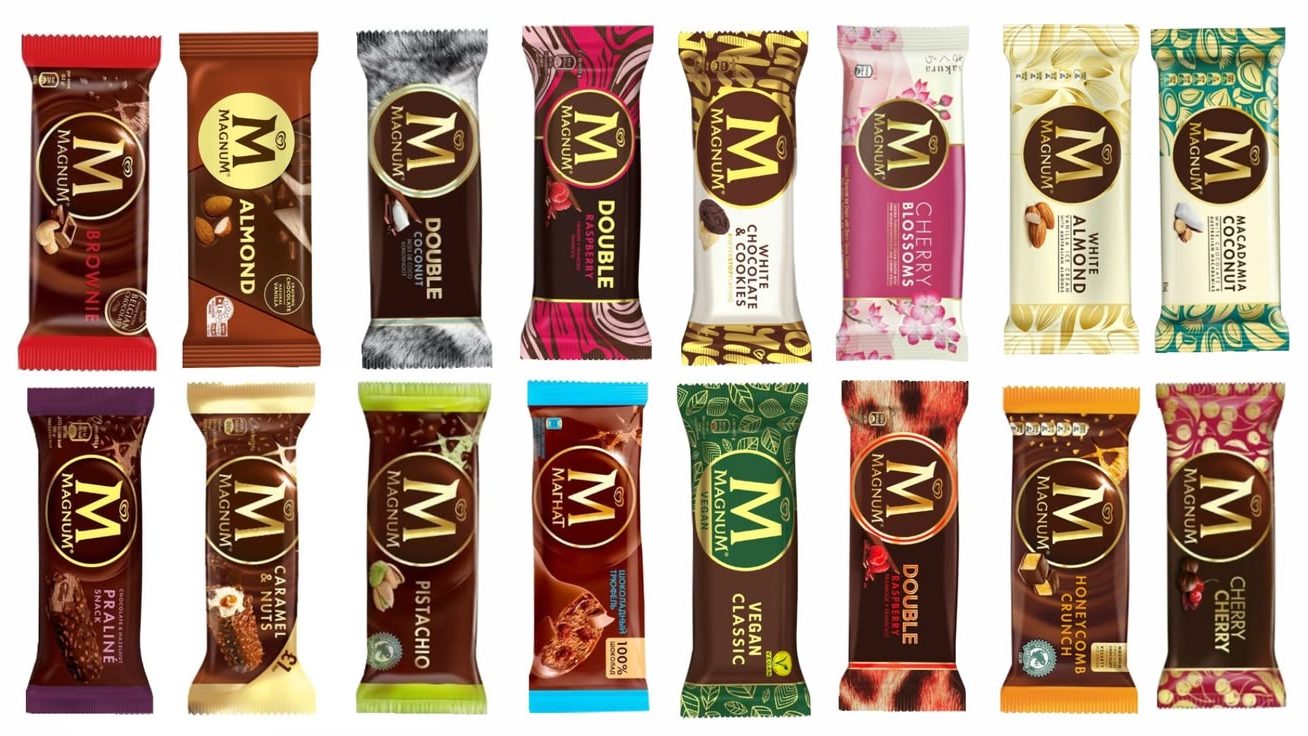
Smooth taste and texture in cocoa-based ice creams
By making an informed cocoa powder selection, manufacturers can optimize their formulations and significantly enhance the overall consumer experience.