What Is Natural Cocoa Powder?
From Fermented Cocoa Beans to Powder: Without Alkalization
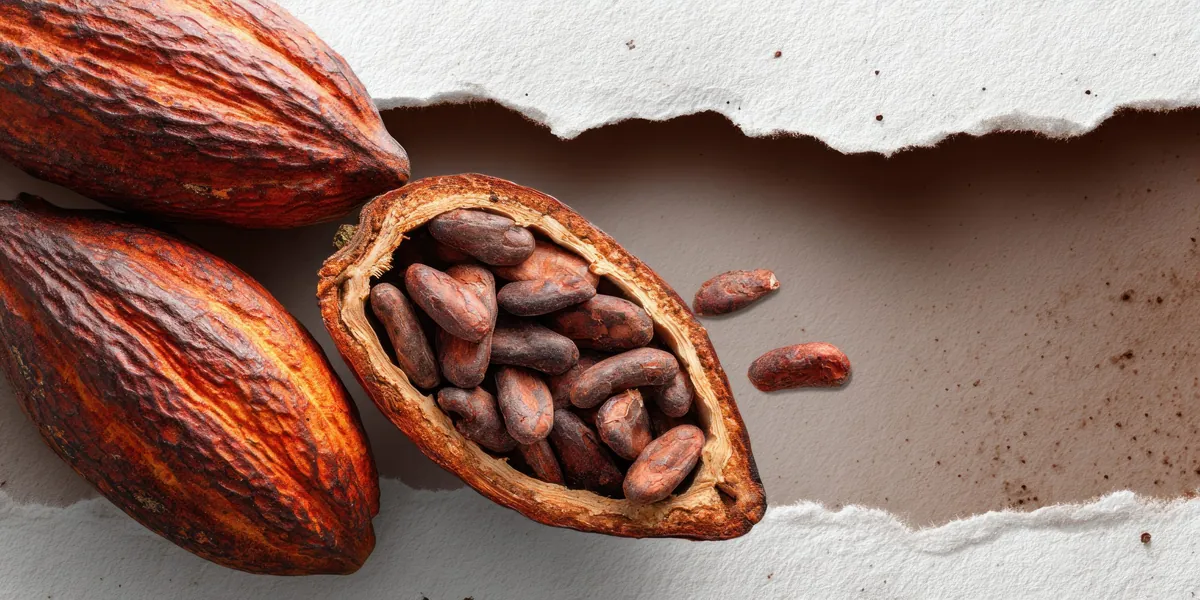
The production of natural cocoa powder begins with the fermentation and drying of cocoa beans in the country of origin. After cleaning, the beans are roasted, their shells are removed, and cocoa nibs are obtained. The nibs are then ground to produce cocoa mass or cocoa liquor. The cocoa mass is pressed using a hydraulic press to remove part of the cocoa butter, leaving behind cocoa press cake. The press cake is then ground and sieved to reduce particle size.
In the production of alkalized cocoa powder, an alkaline solution, usually potassium or sodium carbonate, is added at one of these stages, typically to the nibs or press cake, increasing the pH. Natural cocoa powder does not undergo this step. As a result, its characteristics are largely determined by the genetics of the cocoa beans, fermentation quality, and roasting conditions. This also means that differences between origins and batches are more noticeable in natural cocoa powder. Alkalization can reduce some of these differences and create a more uniform profile. For formulators, this makes supplier control and consistency of origin particularly important when working with natural cocoa powder.
Physicochemical Properties of Natural Cocoa Powder
pH and Acidity of Natural Cocoa Powder
The acidity of natural cocoa powder comes from organic acids formed during fermentation, particularly acetic and lactic acids, as well as phenolic compounds naturally present in cocoa beans. Miller et al. (2008), in their study of commercial cocoa powders, reported an extractable pH range of 5.3 to 5.8 for natural cocoa powders and classified alkalized powders into three groups based on pH: light alkalization (6.5 to 7.2), medium alkalization (7.21 to 7.6), and heavy alkalization (above 7.6). Callebaut’s technical guidance lists a pH range of 5 to 6 for natural cocoa powder and up to 8.4 for alkalized powders. DF 506-11, with a pH of 5.3 to 6.0, is a typical example of this category.
This value is not simply a chemical specification. It influences color, flavor, leavening reactions, and behavior in protein-based systems.
Color and Color Stability of Natural Cocoa Powder
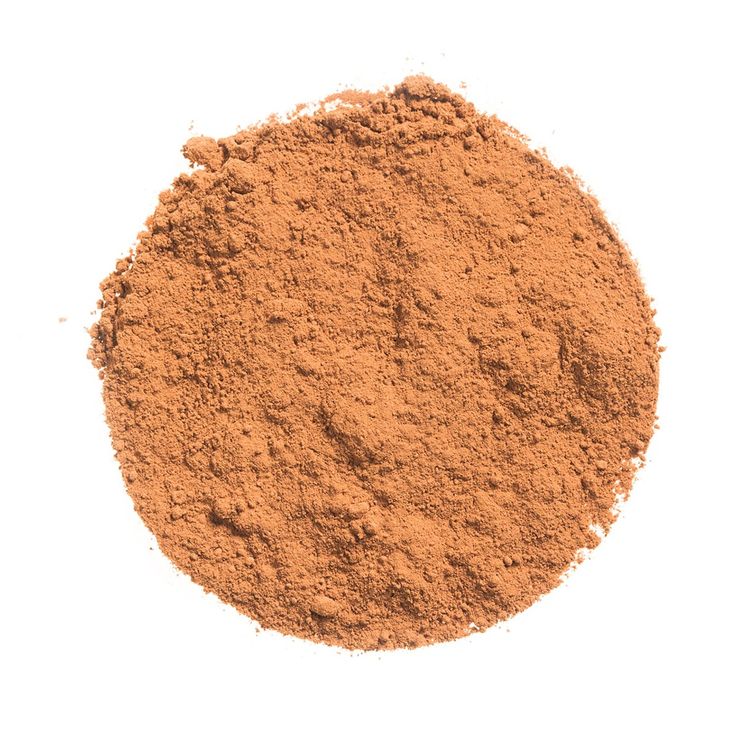
Natural cocoa powder is generally the lightest member of the cocoa powder family, ranging from light brown to yellowish brown.
In a study by Sahin et al. (2024), a reference natural cocoa powder with a pH of 5.48 had an L* value of 49.99 and a* and b* values of 11.94 and 22.99, respectively. Alkaline treatment resulted in a color difference (ΔE) of up to 24 units. A study of 59 cocoa powder samples available on the European market also showed that alkalization was a major determinant of color and pH, regardless of origin or organic status.
For formulators, this means that products made with natural cocoa powder will inherently have a lighter color. Increasing the dosage can make the final product somewhat darker, but it will not produce the deep brown color typically associated with alkalized cocoa powder. Higher dosage may also increase bitterness and astringency.
Wettability, Dispersion, and Behavior in Water
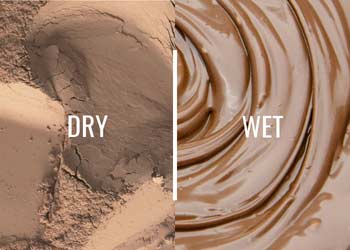
Cocoa powder does not dissolve in water; it disperses. What is often referred to as “solubility” in the food industry is actually related to wettability and suspension stability. Alkalization is traditionally used in part to improve these properties. As a result, natural cocoa powder generally wets more slowly in cold liquids and may require stronger agitation, premixing with sugar, or lecithination. The exact behavior depends on particle size, fat content, and the manufacturing process of each product and should be confirmed through the product’s technical data sheet or application testing.
Moisture, Particle Size, and Flowability
Cocoa powder is generally maintained at a moisture content below 5%.
For DF 506-11, the maximum moisture content is 4.5%. Higher moisture can contribute to caking, reduced flowability during silo storage and dosing, and microbial growth. Particle size affects mouthfeel, wetting rate, and color uniformity. Higher-fat cocoa powders may have lower flowability because of their higher cocoa butter content and can be more prone to sticking under warm storage conditions. This issue is generally less pronounced in 10–12% fat cocoa powders.
How Is Natural Cocoa Powder Different from Alkalized Cocoa Powder?
Natural cocoa powder is produced without alkalization and typically has a pH of 5.3 to 6.0. Alkalized cocoa powder is treated with an alkaline solution, resulting in a higher pH, typically ranging from 6.5 to 8.4. As a result, natural cocoa powder has a lighter color, a classic cocoa flavor with fruity notes, a more pronounced reaction with baking soda, and a higher retention of flavanols.
Natural Cocoa Powder vs Alkalized Cocoa Powder: Differences That Matter in Formulation
ویژگی | پودر نچرال | پودر قلیایی |
pH | 5.3–6.0 | 6.5–8.4 |
Powder color | Light brown | Dark brown, reddish, or black |
Flavor | Classic cocoa, fruity, acidic, more bitter and astringent | Less bitter and astringent, smoother and more chocolate-like |
Flavanols and polyphenols | Highest retention | 40–90% lower, depending on the intensity of alkalization |
Reaction with baking soda | Yes | Limited or none |
Wettability in beverages | Slower | Faster |
Dosage required for the same color intensity | Higher | Lower |
Which Is More Bitter: Natural or Alkalized Cocoa Powder?
Natural cocoa powder.
Cocoa bitterness and astringency are associated with polyphenols and methylxanthines. Alkalization can reduce these compounds by 25 to 60%. Sensory studies indicate that alkalization reduces bitterness, astringency, and acidity. The common perception that alkalized cocoa powder is more bitter often comes from its darker color and roasted notes rather than from its actual bitterness.
Flavor and Color Profile of Natural Cocoa Powder
Flavor Notes: Classic Cocoa, Fruity, Acidic, and Astringent
Natural cocoa powder is generally more bitter and astringent than alkalized cocoa powder. Cocoa bitterness and astringency are associated with polyphenols such as epicatechin, EGCG, and protocatechuic acid, as well as methylxanthines such as theobromine and caffeine. Alkalization can reduce these compounds by 25 to 60%. A 2025 study published in Food Chemistry, combining mass spectrometry and molecular simulation, reported that alkalization reduced perceived bitterness below the sensory detection threshold and improved product acceptance. Organic acids remaining from fermentation also contribute mild fruity and acidic notes, which are reduced or neutralized during alkalization.
Why, then, is alkalized cocoa powder often perceived in the market as having a stronger flavor? Perceived intensity does not come from bitterness alone. Darker color, roasted notes, and the absence of pronounced acidity can create a stronger impression of dark chocolate. Under heavy alkalization, alkaline or soapy notes may also develop. These are sensory characteristics distinct from bitterness and can negatively affect acceptance.
The aroma profile also differs. In a study by Sahin et al., the ratio of trimethylpyrazine to tetramethylpyrazine, two key compounds associated with roasted cocoa aroma, was significantly higher in samples closer to the natural cocoa profile than in samples treated with sodium hydroxide. The difference between natural and alkalized cocoa powder is therefore not simply a matter of intensity but also of aroma composition.
A practical consideration is that natural cocoa powder reflects the origin of the cocoa beans more strongly. As a result, two natural cocoa powders from different origins can have noticeably different sensory profiles. A 2023 study published in Antioxidants found significant differences in phenolic compounds among samples from Peru, Venezuela, Côte d’Ivoire, and the Dominican Republic. Maintaining consistency of origin in the supply of natural cocoa powder can therefore contribute to greater flavor consistency in the final product.
Cocoa Flavor Intensity and Perception in the Final Product
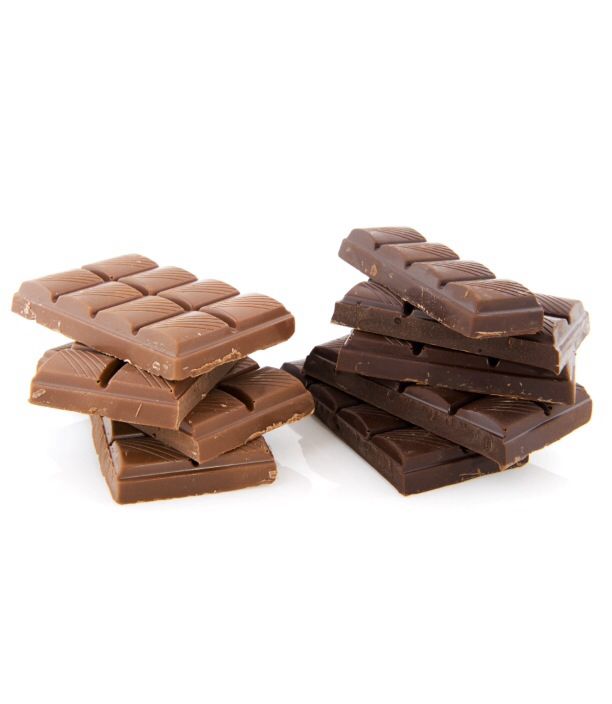
Intensity and flavor profile are not the same thing. Heavy alkalized cocoa powder can create a darker color and a stronger perceived dark-chocolate character per gram, even though its actual bitterness and astringency are lower. Natural cocoa powder provides a more complex, acidic, and bitter flavor profile that can contribute greater depth when used in the appropriate product matrix.
In high-sugar and high-fat matrices such as creams, fillings, and ice cream, the mild acidity of natural cocoa powder can balance sweetness and create a cleaner flavor profile. This characteristic can also be useful in reduced-sugar products.
What Color Should You Expect in the Final Product?
The final product color depends on the pH of the finished product, not only on the pH of the cocoa powder. The same natural cocoa powder can produce a light brown color in a biscuit made without an alkaline leavening system, while in a cake formulated with baking soda, the higher pH of the batter during baking can result in a darker and sometimes reddish-brown color. This is the effect commonly seen in classic Devil’s Food cakes.
Expected color ranges for products formulated with natural cocoa powder include:
Product | Expected Color |
| Cake and muffins with baking soda | Medium brown to reddish brown |
| Biscuits and cookies with baking powder | Light to medium brown |
| Fat-based fillings and spreads | Light to medium brown, depending on dosage |
Applications of Natural Cocoa Powder in Food Products
Cakes, Muffins, and Cupcakes
Why is it used?
Cocoa powder can work with different leavening systems, including baking powder and baking soda, to contribute to the desired volume and texture. It also provides a warm brown color and a distinct cocoa aroma and flavor, while allowing the color and flavor intensity of the finished product to be adjusted through formulation.
What does it contribute?
Natural cocoa powder can contribute a soft and uniform texture, appropriate volume, an appealing brown color, and a recognizable cocoa flavor that can complement vanilla, dairy ingredients, and other common cake flavorings.
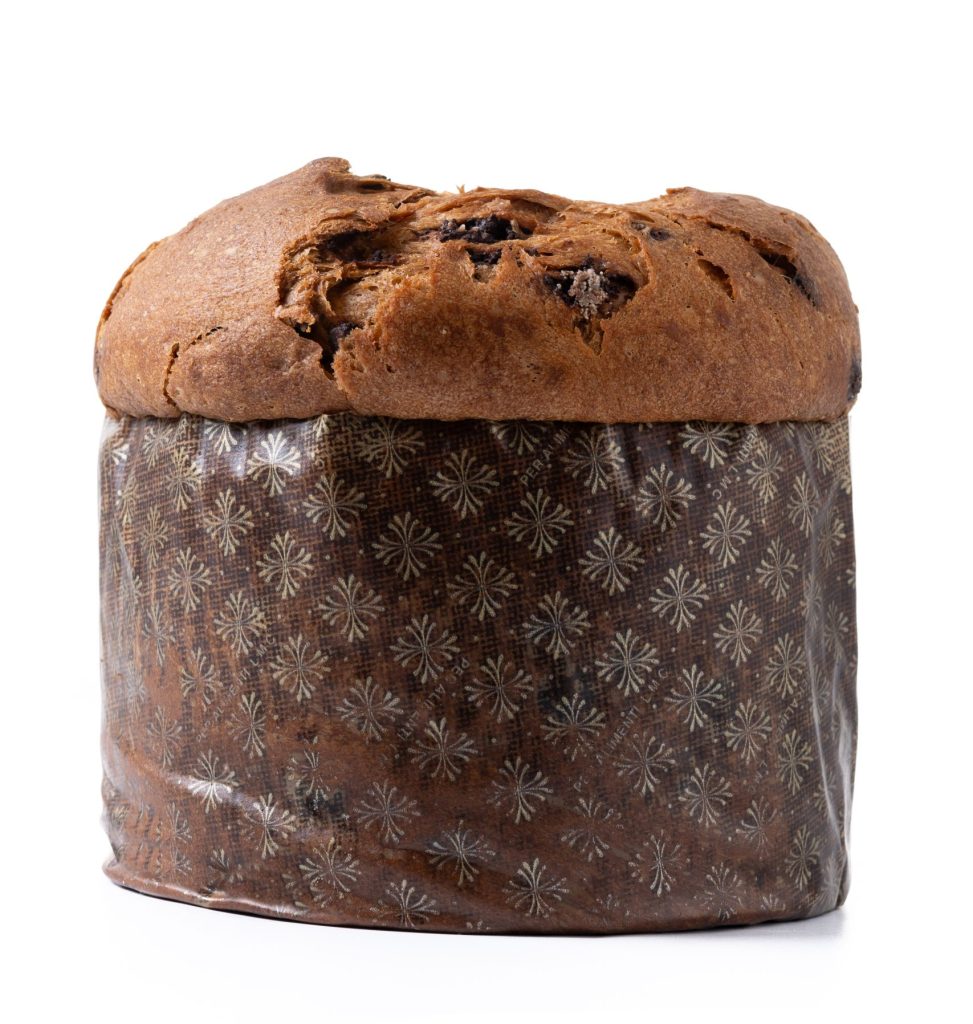
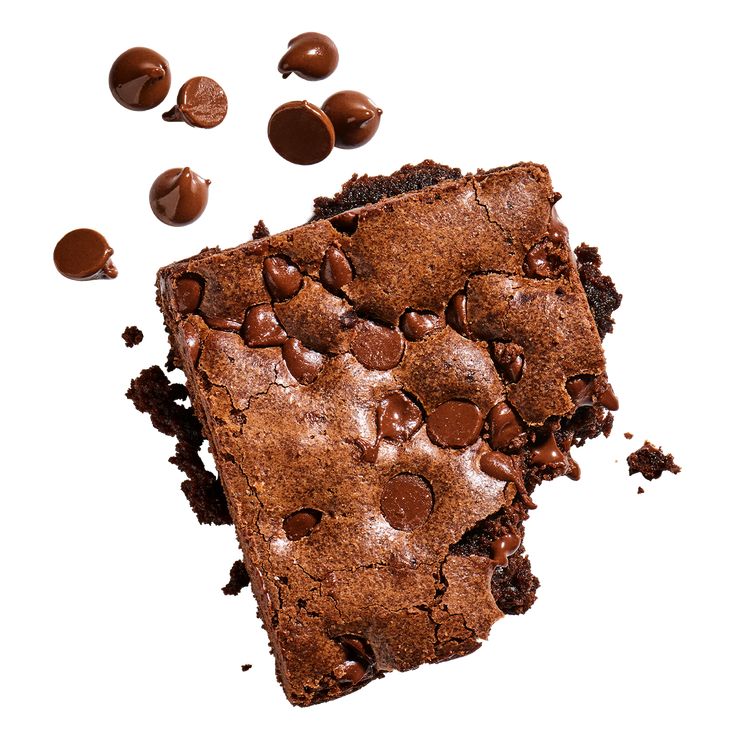
Brownies and Fudge-Style Products
The choice is more nuanced in this application. According to Callebaut, alkalized cocoa powders, because of their lower reaction with baking soda and higher water absorption, can contribute to a dense and fudgy texture, which can be desirable in classic fudgy brownies.
Natural cocoa powder can be selected when a more cake-like brownie is desired, when a clean-label formulation is required, or when a brighter and more acidic cocoa flavor is preferred to contrast with chocolate chips or caramel.
Cookies, Biscuits, and Crackers
Its lighter color can also create stronger visual contrast in sandwich biscuits or cookies containing chocolate pieces. In reduced-sugar crackers, the mild acidity of natural cocoa powder can add flavor depth without creating excessive bitterness.
Other Cocoa-Based Bakery Products
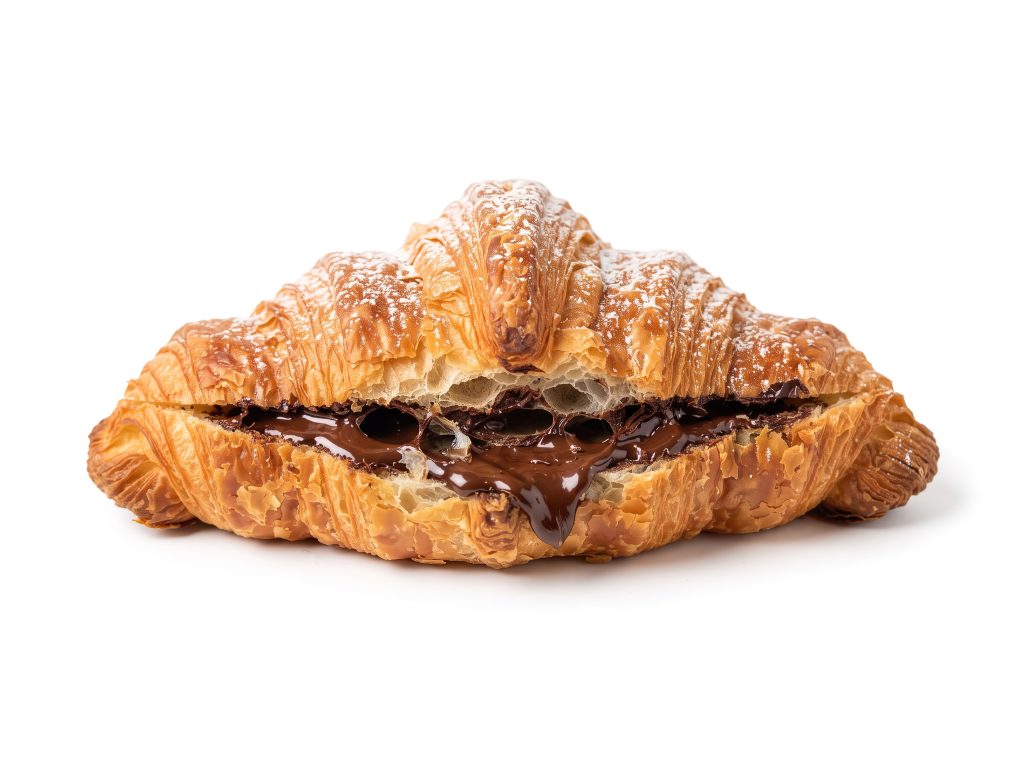
In doughnuts and fried cakes, the color of natural cocoa powder remains relatively vibrant after frying without producing excessive darkness. In cocoa breads and brioche, a small amount of natural cocoa powder can add cocoa flavor without significantly affecting yeast-leavened volume. At higher dosages, however, cocoa’s water absorption and acidity can affect yeast activity and the gluten network, so application testing is recommended.
In wafers and wafer creams, natural cocoa powder can be used in both the wafer and the fat-based cream. In the cream, pH has relatively little influence, so color and flavor become the primary formulation considerations.
Cocoa Beverages and Chocolate Milk
The market is accustomed to the dark color and rapid dispersion of alkalized cocoa powder. However, consumer research provides an interesting perspective. In a study of buffalo milk chocolate beverages, products made with natural and alkalized cocoa powders differed in color, viscosity, and chocolate flavor. However, overall acceptance and purchase intention were similar among the 120 consumers evaluated for each formulation. The authors concluded that the darker color of alkalized cocoa powder did not increase consumer preference.
Ice Cream Coatings
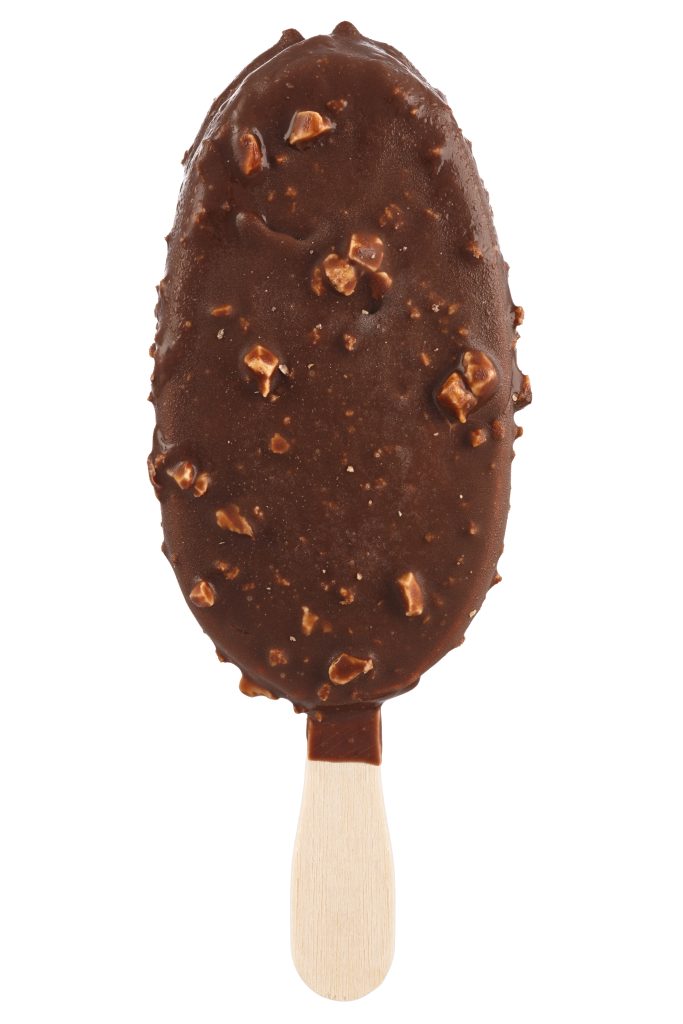
In cocoa-based ice cream coatings, natural cocoa powder provides a warm, light brown color and a cocoa flavor with more pronounced fruity notes. Its natural acidity generally does not create a significant issue in conventional coating formulations. However, compatibility with other ingredients should be evaluated in high-protein formulations or under intensive heat-processing conditions.
Cocoa powder absorbs water, which can affect the viscosity and flow behavior of the coating. The cocoa dosage should therefore be balanced with the oil, solids, and stabilizer system to achieve uniform coverage, appropriate adhesion to the ice cream surface, and the desired texture after freezing.
Desserts, Puddings, and Creams
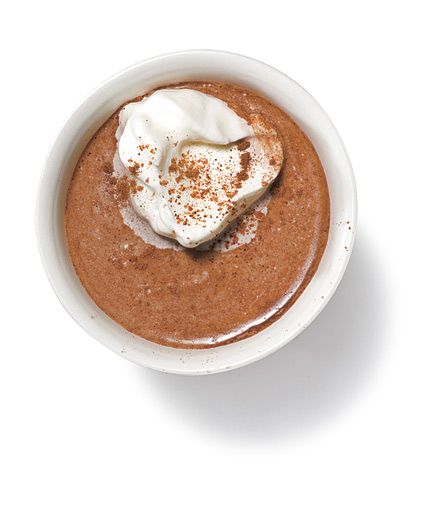
In starch-based puddings and creams, cocoa powder contributes both color and water absorption. Natural cocoa powder generally requires less starch to achieve a similar consistency because its water absorption is lower than that of alkalized cocoa powder.
The resulting color is lighter and the flavor is more distinctly cocoa-like rather than dark-chocolate-like. This can be desirable in sweet and dairy-based desserts. In no-bake desserts set with gelatin or agar, the mild acidity of natural cocoa powder is generally compatible with most gelling systems.
Chocolate, Fillings, and Spreads
In compound chocolate, fat-based fillings, and spreads, where little or no water is present, the pH of cocoa powder has limited practical significance. The choice is primarily based on color, flavor, and fat content.
Natural cocoa powder can be suitable for light-colored fillings with a milky flavor profile, mild cocoa-hazelnut spreads, and products formulated around a simple ingredient profile.
Protein Products and Functional Foods
Second, its flavor profile can complement common flavor systems used in protein products. The mild acidity and fruity notes of natural cocoa powder can work well with flavors such as vanilla and hazelnut. The final choice, however, depends on the target flavor profile and formulation requirements.
Dry Mixes and Ready-to-Use Powder Blends
In cake and brownie mixes, natural cocoa powder can be used alongside baking soda, baking powder, or a combination of both in the dry formulation. Under dry conditions, the components of the leavening system generally do not undergo significant reactions. Once liquid is added and preparation begins, the reaction and gas release take place.
For this reason, moisture control during packaging and storage is important to prevent premature reactions and loss of leavening performance.
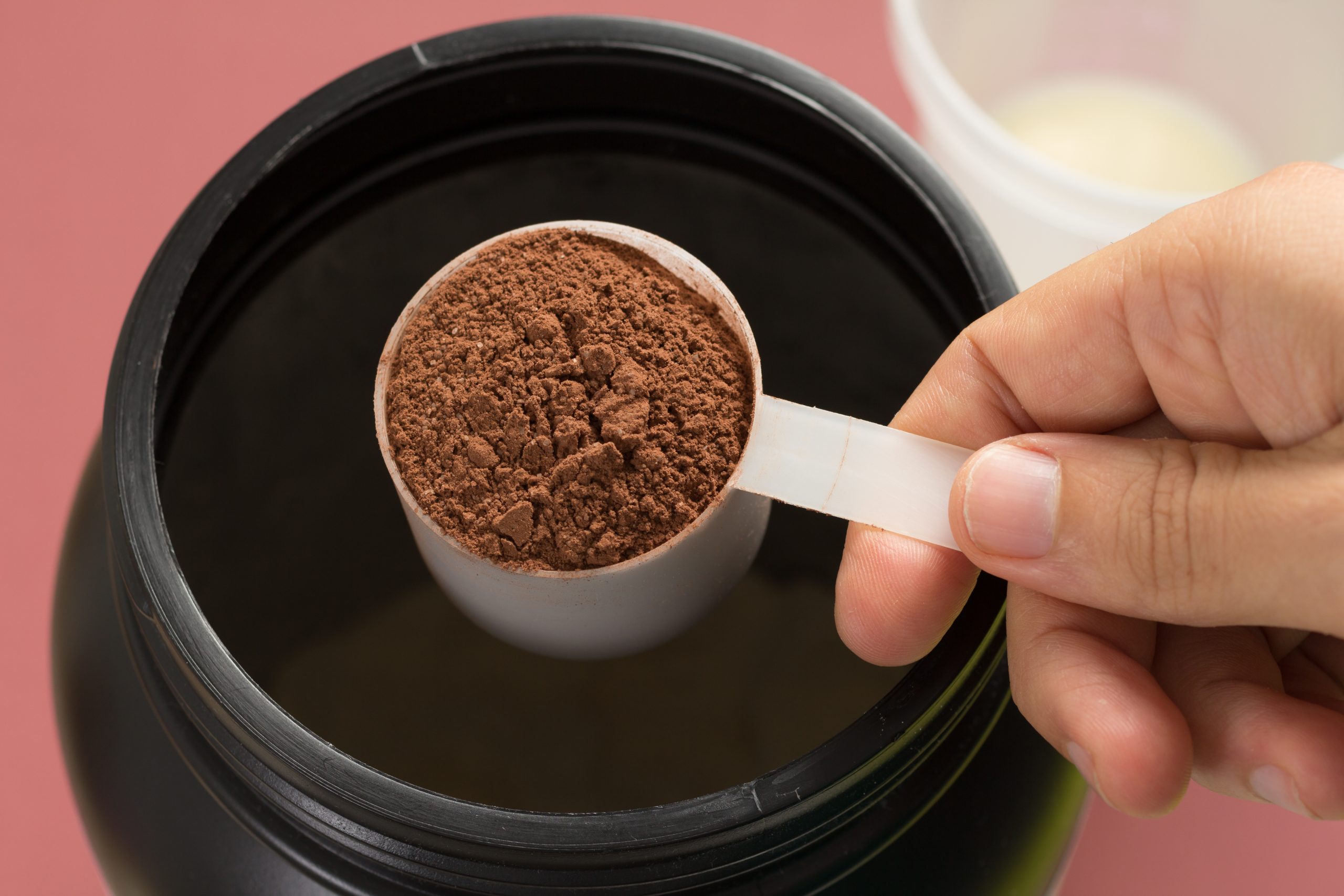
In instant beverage powders, the main challenge is cocoa powder wettability and dispersion. Agglomeration, lecithination, or premixing with fine sugar can improve the dispersion of natural cocoa powder and reduce particle aggregation.
In protein powders, natural cocoa powder can also be a suitable option because of its sensory profile and retention of naturally occurring polyphenols. The final choice depends on the target flavor profile and formulation requirements.
Clean-Label Products
In oat, almond, and soy beverages and in clean-label desserts, natural cocoa powder can align well with a simple and minimally processed ingredient profile.
Managing Sensory Expectations: Color and Flavor of the Final Product
Products made with natural cocoa powder will generally be lighter in color and more acidic, with more noticeable bitterness and astringency. However, they will not produce the deep dark-chocolate appearance associated with heavily alkalized cocoa powders.
If consumers are accustomed to the dark color of existing products in the market, natural cocoa powder may therefore require careful formulation and sensory evaluation to achieve the desired product profile.
Conclusion
Natural cocoa powder is cocoa powder produced without alkalization. It retains the natural acidity, lighter color, classic cocoa flavor with fruity notes, and a higher level of naturally occurring polyphenols from the cocoa bean.
It can be a suitable choice for cakes and muffins formulated with baking soda, chewy cookies, lighter-colored ice creams and dairy desserts, protein and functional products, dry mixes, and products where a simple ingredient profile is desired.
For dark beverages, fudgy brownies, and products that require a very dark color with a smoother and less astringent flavor, alkalized cocoa powder can serve a different formulation purpose.
The choice between natural and alkalized cocoa powder should be based on three practical questions: What is the target pH of the final product? What color and flavor profile are required? And what ingredient profile is desired on the label?
Answering these questions turns the choice between natural and alkalized cocoa powder into a technical formulation decision rather than a matter of personal preference.