The Importance of Storage Conditions in Maintaining Cocoa Powder Quality
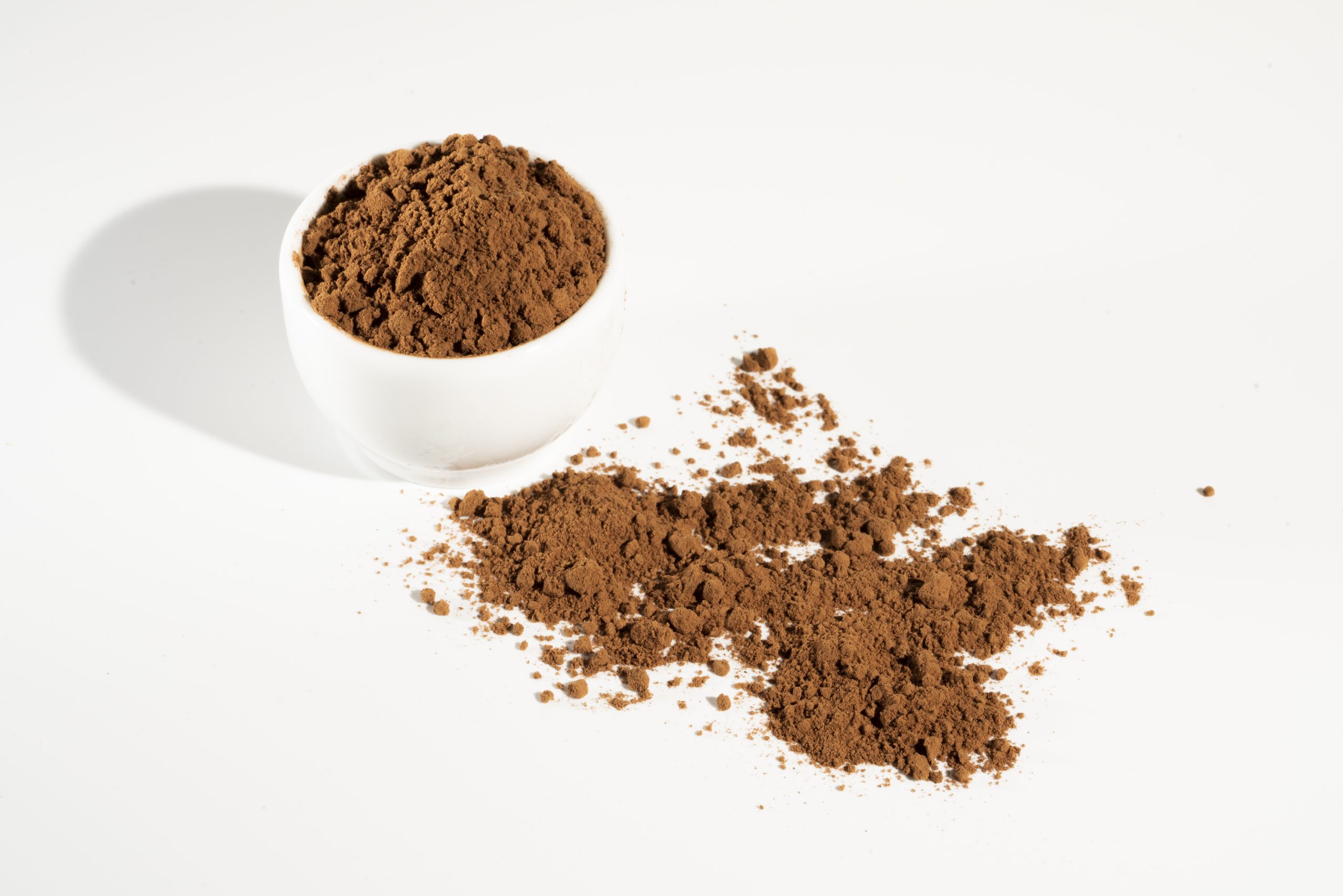
Cocoa powder is one of the sensitive raw materials used in the food industry, and its final quality does not depend only on the production process and initial product specifications. The conditions under which cocoa powder is stored after purchasing and entering a factory also have a direct impact on its performance in the final product.
Improper warehouse conditions can lead to a decline in sensory quality, color changes, moisture absorption, caking, reduced flowability, and even an increased risk of secondary contamination.
In industries producing chocolate, confectionery products, cakes, biscuits, powdered beverages, and other cocoa-based products, cocoa powder is usually stored for a specific period before being used according to production schedules. Therefore, proper warehouse management is considered an essential part of the quality control system across the supply chain and must be aligned with Good Manufacturing Practices (GMP), food storage principles, and food safety requirements.
The quality of cocoa powder includes a combination of physical, chemical, and sensory characteristics that can be affected by environmental conditions over time. Although cocoa powder has relatively good stability due to its low moisture content, this does not mean that it can be stored without controlled environmental conditions.
How often should cocoa powder be inspected during storage?
Inspection frequency depends on the factory’s quality management system and storage duration. However, regular monitoring of environmental conditions, packaging integrity, and product appearance should be included in daily or periodic warehouse inspection programs.
One of the most important factors affecting cocoa powder quality is maintaining its moisture balance. Cocoa powder is considered a hygroscopic material, meaning that it can absorb moisture from the surrounding environment. Increased moisture levels can cause issues such as caking formation, reduced mixing ability, changes in flowability, and difficulties during transportation, dosing, and processing operations.
For alkalized cocoa powders, controlling storage conditions becomes even more critical because characteristics such as dark color, pH, and flavor profile must remain stable until the time of use. Long-term exposure to moisture or unsuitable storage environments can result in changes in color intensity, reduced product uniformity, and variations between different production batches.
Furthermore, volatile aromatic compounds in cocoa powder can be affected by environmental factors. Cocoa powder contains flavor compounds responsible for its characteristic chocolate aroma, but these compounds can also absorb external odors from the storage environment. Storing cocoa powder near strong-smelling materials such as spices, chemicals, detergents, or other aromatic raw materials can negatively affect its sensory quality.
Unsuitable warehouse conditions may also increase the risk of microbial activity. Although the low water activity of cocoa powder generally limits the growth of many microorganisms, increased moisture caused by environmental conditions or damaged packaging can create more favorable conditions for mold and yeast growth.
Therefore, cocoa powder storage should not be considered only as a physical storage activity; instead, it should be managed as an integral part of the factory’s quality assurance system.
Temperature and Humidity Requirements for Cocoa Powder Storage
Controlling temperature and humidity is one of the most important principles in cocoa powder storage conditions in food industry warehouses. These two factors directly influence the stability of the product’s physical, chemical, and sensory properties.
The recommended storage temperature for cocoa powder is generally between 15 and 25°C. Excessively high temperatures can accelerate oxidation reactions, affect flavor compounds, and gradually reduce product quality. In addition, prolonged exposure of cocoa powder bags to high temperatures may alter the characteristics of the remaining fat content in the powder.
On the other hand, significant temperature fluctuations can also create challenges. Frequent changes in temperature may cause cycles of moisture absorption and release within the packaging, which can negatively affect cocoa powder quality over time. Therefore, maintaining stable environmental conditions is often more important than maintaining a single fixed temperature value.
Standards for Stacking Cocoa Powder Bags on Pallets
Proper stacking of cocoa powder bags in warehouses is one of the key factors in maintaining product quality, preventing physical damage to packaging, and ensuring adequate air circulation around the bags. Even when warehouse temperature and humidity are fully controlled, improper stacking practices can create critical storage points and negatively affect the quality of part of the stored product.
Cocoa powder bags should never be placed directly on the warehouse floor, as floors may become a source of moisture transfer due to cleaning operations, temperature changes, or water penetration. Using standard and undamaged plastic or wooden pallets creates sufficient separation between the bags and the floor while allowing air circulation beneath the stored materials.
The height and arrangement of cocoa powder bags on pallets should be managed carefully to prevent excessive pressure on the lower layers. The weight of stacked bags can compress the powder, deform packaging structures, and in some cases damage the protective layers of the bags. This issue becomes particularly important during long-term storage.
In food industry warehouses, it is generally recommended to maintain sufficient space between pallets, walls, and transportation pathways. These spaces not only facilitate material handling but also allow easier inspection, cleaning, pest control, and environmental monitoring. Placing pallets directly against walls or in areas with poor air circulation may create zones with higher humidity and increase the risk of product deterioration.
Warehouse organization systems should also follow inventory management principles such as FIFO (First In, First Out) or FEFO (First Expired, First Out). Under the FIFO system, products that enter the warehouse first are consumed first. In the FEFO system, products with the closest expiration dates receive priority for use. These systems help reduce unnecessary storage time and prevent the accumulation of aged cocoa powder inventory.
Each pallet should also have a clear identification label containing essential information such as product name, product code, supplier details, batch number, production date, expiration date, and quality control records. This information is essential for product traceability and for investigating potential quality issues during production.
According to the Iranian National Standard INSO 13963-5:1404 (Food Safety Prerequisite Programs – Food Transportation and Storage), storage conditions must be designed and managed in a way that ensures food safety, quality preservation, and product integrity throughout the storage period. This standard, developed based on the requirements of ISO 22002-100, emphasizes the control of factors such as environmental conditions, contamination prevention, product identification and traceability, inventory management, and maintaining appropriate storage conditions.
Based on these requirements, raw material storage should not only focus on maximizing warehouse space utilization. It must also provide sufficient access for inspection, cleaning, pest control, and prevention of packaging damage. Therefore, placing cocoa powder bags on pallets and maintaining proper distances from floors, walls, and other stored materials are essential parts of hygienic warehouse management.
Does packaging type affect cocoa powder shelf life?
Yes. Multi-layer packaging with resistance against moisture and air penetration plays an important role in preserving cocoa powder quality and preventing physical and sensory changes during storage.
Relative humidity is another critical parameter for maintaining optimal cocoa powder storage conditions. In general, warehouse relative humidity should be maintained below 60%. High-humidity environments increase the possibility of moisture absorption by cocoa powder particles, leading to problems such as hard lumps, reduced dispersion ability in water, and changes in product behavior during processing.
In food manufacturing facilities, the use of environmental monitoring equipment such as temperature and humidity data loggers can support more accurate warehouse control. Continuous monitoring and recording of environmental conditions help identify critical areas, such as locations near entrance doors, external walls, or areas with poor air circulation.
The location and design of the warehouse also play an important role. Cocoa powder storage areas should not be located near heat sources such as boiler rooms, steam systems, hot production lines, or areas exposed to significant temperature variations. Proper warehouse construction, insulation of walls and ceilings, and effective environmental control systems can help maintain stable storage conditions.

Cocoa Powder Standards and Food Safety Requirements
Learn about cocoa powder standards, quality specifications, and food safety requirements and industrial quality parameters.
The Impact of Storage Time on Cocoa Powder Quality
In addition to environmental factors such as temperature and humidity, storage duration is another important factor affecting cocoa powder quality. Although cocoa powder has good stability compared with many food ingredients due to its low water activity, extended storage periods may gradually affect its physical, chemical, and sensory characteristics.
As storage time increases, oxidation reactions and fat hydrolysis may gradually progress, leading to changes in parameters such as acidity, peroxide value, and flavor profile. Other potential changes caused by long-term storage include reduced cocoa aroma intensity, color variation, and decreased powder uniformity.
Proper inventory management and monitoring of storage duration are therefore essential for extending cocoa powder shelf life and ensuring that the product maintains its original technical specifications until use in production.
The Role of Packaging in Preventing Moisture and Odor Absorption
Packaging is one of the most important protective factors for maintaining cocoa powder quality against environmental influences. Although proper warehouse conditions play a crucial role, packaging acts as the first line of defense against moisture, oxygen, light, and external odors.
Cocoa powder is commonly packed in industrial multi-layer bags consisting of combinations of paper, polyethylene, or moisture-resistant barrier materials. The packaging design should provide sufficient mechanical strength while preventing the penetration of water vapor and volatile compounds from the surrounding environment into the product.
One of the most common challenges in cocoa powder storage is moisture absorption from the environment. Even a limited amount of moisture entering the packaging can increase particle adhesion, cause caking, and reduce powder uniformity. These changes may negatively affect product performance during processes such as mixing, pneumatic conveying, and dissolution in final formulations.
In addition to moisture, cocoa powder can absorb external odors. The aromatic compounds naturally present in cocoa are responsible for desirable chocolate flavor characteristics, but they can also be affected by surrounding odors. Therefore, storing cocoa powder near strong-smelling materials, chemicals, detergents, or non-food-related raw materials can reduce its sensory quality.
Damaged, punctured, or opened packaging should be identified and managed as quickly as possible. Air and moisture entering through damaged areas can cause localized quality changes that may not always be detected during initial visual inspections.
In factories where cocoa powder remains in storage after opening the original packaging, the use of suitable secondary containers or protective packaging is essential. Opened cocoa powder bags should not be left exposed to warehouse air without proper protection, as product quality may gradually deteriorate over time.
Can cocoa powder absorb odors from the storage environment?
Yes. The aromatic compounds in cocoa powder are sensitive to external odors. Storing cocoa powder near strong-smelling materials or chemical substances can negatively affect its sensory quality.
Ventilation Requirements and Airflow Management in Cocoa Powder Warehouses
An appropriate ventilation system is one of the essential requirements for maintaining stable cocoa powder storage conditions in warehouses. The purpose of ventilation is not only to reduce temperature but also to control humidity, prevent stagnant air zones, and maintain uniform environmental conditions throughout the storage area.
In warehouses with insufficient air circulation, some areas may experience higher humidity or temperature levels compared with other sections. These environmental variations are commonly observed near external walls, warehouse corners, behind densely stacked pallets, and in low-traffic areas.
Airflow should be designed to cover the entire warehouse space; however, it should not create strong direct airflow onto cocoa powder bags. Excessive airflow may increase dust movement or contribute to the transfer of environmental contaminants, while insufficient ventilation can lead to moisture accumulation and unfavorable storage conditions.
In regions with high ambient humidity, the use of humidity control systems such as industrial dehumidifiers can help maintain raw material quality. This is particularly important in humid climates, where even standard packaging materials may not perform effectively under unsuitable environmental conditions.
Regular cleaning and maintenance of ventilation systems should be included in warehouse maintenance programs. Contaminated filters or dust accumulation inside ventilation ducts can become potential sources of contamination. In food manufacturing environments, ventilation equipment must be designed, cleaned, and monitored according to hygienic requirements.
Controlling air exchange through warehouse doors is also important. Frequent opening and closing of doors, especially during hot or humid seasons, can introduce unsuitable air conditions and cause sudden environmental changes. The use of air curtains or properly designed entry and exit pathways can help minimize these effects.
What is the best temperature and humidity level for storing cocoa powder in a warehouse?
The recommended temperature for cocoa powder storage is generally between 15 and 25°C. More important than maintaining a specific temperature value is ensuring stable environmental conditions and preventing significant temperature fluctuations.
To preserve cocoa powder quality, the relative humidity of the storage area should ideally be maintained below 60%. Increased humidity can lead to moisture absorption, caking formation, reduced flowability, and decreased performance of cocoa powder during processing.
Managing Contamination Risks and Hygienic Requirements in Cocoa Powder Storage
Although cocoa powder generally does not provide favorable conditions for the growth of many microorganisms due to its low moisture content, improper storage conditions can increase the risk of secondary contamination. Moisture penetration, damaged packaging, contact with contaminated surfaces, or poor warehouse hygiene management can negatively affect product quality and safety.
Applying Good Manufacturing Practices (GMP) in food raw material warehouses, including regular cleaning, pest control, prevention of dust accumulation, separation of incompatible materials, and monitoring of critical points, plays an important role in maintaining cocoa powder safety.
Cocoa powder storage areas should also be separated from materials with strong odors or chemical substances, as cocoa’s aromatic compounds can absorb external odors. Preventive programs such as pest management, environmental condition monitoring, and regular packaging inspections are essential components of a food safety management system within food manufacturing facilities.
Periodic Inspection and Quality Control of Cocoa Powder During Storage
Proper cocoa powder storage is not limited to providing suitable conditions when the product enters the warehouse. Continuous monitoring of product condition throughout the storage period is necessary to ensure quality preservation. Periodic inspections help food manufacturers identify potential quality changes before the raw material reaches the production stage and prevent non-conforming materials from entering the production line.
A regular inspection program should include monitoring warehouse environmental conditions, evaluating packaging integrity, checking product appearance, and reviewing batch traceability information. Recording and documenting these inspections are important parts of the factory’s quality management system and play a significant role during internal or external audits related to GMP, HACCP, and food safety standards.
One of the first aspects that should be evaluated during warehouse inspections is packaging integrity. Visual examination of cocoa powder is also highly important. Changes in color, abnormal spots, formation of hard lumps, changes in powder texture, or signs of mold growth are among the factors that should be considered in quality control programs. Although some quality changes may not be visible, they can indicate inappropriate storage conditions.
Moisture content is one of the key parameters in evaluating cocoa powder quality. Increased moisture can negatively affect flowability, mixing performance, and powder behavior during processing. If unusual increases in moisture are detected, the root cause should be investigated, as the issue may originate from warehouse conditions, packaging defects, or improper stacking practices.
Odor evaluation is another important step in periodic quality assessment. Cocoa powder should maintain its characteristic aroma and expected sensory profile. Any unusual odors, such as stale, musty, chemical, or foreign smells, may indicate unsuitable storage conditions.
In factories where large quantities of cocoa powder are stored, periodic sampling from different batches can be included as part of the quality assurance program. These samples can be analyzed for parameters such as moisture content, pH, color, particle size, sensory characteristics, and microbiological properties to confirm that the product maintains its quality over time.
It is also essential to accurately record production dates, warehouse entry dates, and storage duration for each batch. Long-term storage without proper monitoring can increase the risk of quality deterioration, even when environmental conditions appear acceptable. Effective inventory management based on production and consumption dates plays an important role in preventing the use of aged products.
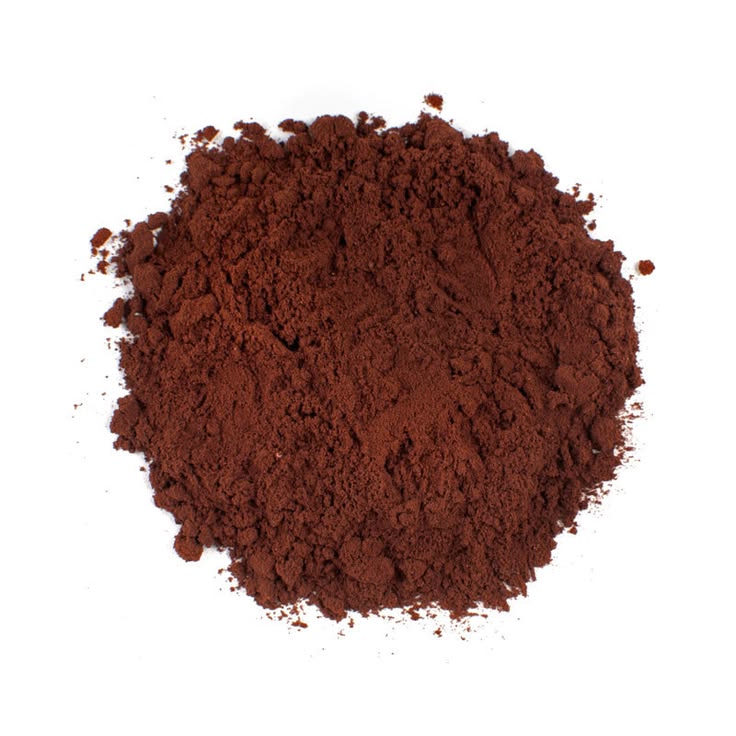
The Impact of Proper Cocoa Powder Storage on Final Product Performance
The quality of cocoa powder is not only related to the raw material itself; it has a direct impact on the quality and performance of final food products. Improper cocoa powder storage conditions can lead to changes that affect powder functionality during subsequent production processes.
One of the most important benefits of proper cocoa powder storage is maintaining its sensory characteristics. Color, flavor, and aroma are among the primary quality indicators of cocoa-based products. Any changes in these properties can result in differences between production batches and reduce the consistency of the final product.
For example, in products such as chocolate, cakes, biscuits, and cocoa-based desserts, the color intensity and flavor profile of cocoa powder play a significant role in consumer acceptance. Using cocoa powder that has been stored under unsuitable conditions may lead to reduced chocolate flavor intensity, color variation in the final product, or inconsistency between different production batches.
From a functional perspective, cocoa powder that has absorbed moisture may create processing challenges. The formation of lumps can reduce the uniform dispersion of cocoa powder within the mixture and may increase mixing time or require additional processing steps.
In chocolate and confectionery manufacturing, raw material consistency is especially important because small variations in characteristics such as fat content, particle size, color, and moisture level can influence product behavior during processes such as mixing, refining, coating, and molding.
Standardized storage practices also help reduce raw material waste. Damaged packaging, moisture absorption, sensory quality deterioration, or failure to meet technical specifications can create additional costs for manufacturers. Therefore, investing in proper warehouse management not only protects product quality but also contributes to production cost optimization.
Conclusion
Maintaining appropriate cocoa powder storage conditions is one of the key factors in preserving the quality of this valuable raw material in the food industry. Although cocoa powder has relatively good stability due to its low moisture content, it requires controlled storage conditions to maintain important characteristics such as color, flavor, aroma, processability, and product safety.
Proper temperature control, relative humidity management, sufficient ventilation, standardized pallet stacking, suitable moisture-resistant packaging, and regular quality inspections are essential practices that help preserve cocoa powder quality throughout the storage period.
In food manufacturing facilities, a warehouse is not simply a place for storing raw materials; it is an important part of the final product quality assurance chain. Effective warehouse management can prevent quality deterioration, reduce waste, and ensure that cocoa powder enters the production process with the same technical specifications it had when received.