What Is Bulletproof Coffee and Why Has It Become So Popular?
Bulletproof coffee is a coffee-based beverage prepared by blending brewed coffee with a source of fat, typically MCT oil and butter or ghee. Unlike regular coffee, which is primarily valued for its caffeine content and antioxidant compounds, Bulletproof coffee contains a significantly higher fat content, creating a high-energy beverage designed to provide a rapid source of fatty acids while promoting greater satiety.
The key difference between Bulletproof coffee and regular coffee is that fat is not simply an additional ingredient, it is an integral part of the beverage’s formulation. While conventional coffee is mainly consumed for its caffeine, aroma, flavor, and naturally occurring coffee compounds, Bulletproof coffee was developed to deliver a beverage with higher energy density and distinct nutritional characteristics.
In recent years, Bulletproof coffee has gained considerable popularity, particularly among individuals following low-carbohydrate and ketogenic diets. One of the main reasons is that MCT oil can be metabolized more rapidly than many conventional dietary fats, making it a readily available source of energy.
Despite its widespread popularity, Bulletproof coffee should not be considered a therapeutic product or a complete meal replacement. Its physiological effects depend on the overall dietary pattern, consumption level, and individual metabolic characteristics.

Bulletproof Coffee vs Regular Coffee
Regular coffee consists primarily of water and coffee extract, with its characteristics largely determined by the coffee bean variety, processing method, and roasting profile. The most important components typically associated with conventional coffee include caffeine, aromatic compounds, and polyphenols.
In Bulletproof coffee, however, the addition of fat significantly alters the beverage’s properties. Besides increasing its energy value, MCT oil influences mouthfeel, texture, and the overall sensory experience. As a result, the final beverage delivers a noticeably creamier, richer, and heavier texture than traditional black coffee.
The formulation also differs substantially. In conventional coffee, the primary objective is preserving extraction quality. In contrast, MCT-enriched coffee formulations require careful consideration of oil stability, fat dispersion within the aqueous phase, and the formation of a stable emulsion.
Can Bulletproof Coffee Replace Breakfast?
Bulletproof coffee can be consumed by some individuals as an energy rich beverage, but it usually does not provide the complete combination of protein, fiber, vitamins, and minerals required for a full meal. Therefore, it should not be considered a permanent meal replacement.
How Did Coffee and Fat Become Combined?
The combination of coffee and fat is not a new concept. Various cultures have long consumed hot beverages containing added fats. However, the modern version of Bulletproof coffee gained widespread attention alongside the global growth of functional foods and low-carbohydrate dietary trends.
The central idea was to transform coffee, traditionally considered a low-calorie beverage, into a product capable of delivering substantially more energy through the addition of a specialized dietary fat, making it attractive to consumers with specific nutritional preferences.
Among the available fat sources, MCT oil became particularly important because it possesses characteristics that distinguish it from many conventional edible oils. Its relatively neutral flavor, compatibility with a wide range of formulations, and unique metabolic properties have made it a preferred ingredient in functional beverage development.
The Relationship Between Bulletproof Coffee and the Ketogenic Diet
One of the primary factors behind the growing popularity of Bulletproof coffee is its close association with the ketogenic diet.
A ketogenic diet restricts carbohydrate intake while increasing dietary fat consumption. The primary objective is to shift the body’s major energy source from glucose toward increased fat utilization and the production of ketone bodies.
Within this dietary approach, MCT oil has attracted particular attention because certain medium-chain triglycerides—especially those rich in C8 and C10 fatty acids—can enter energy-producing metabolic pathways more rapidly than many conventional dietary fats.
Does Bulletproof Coffee Help With Weight Loss?
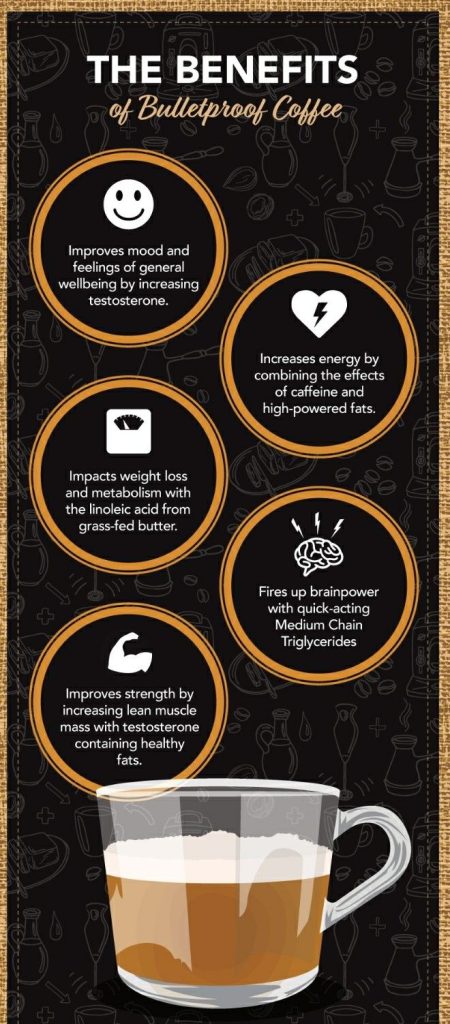
Bulletproof coffee does not cause weight loss by itself. Weight management depends on energy balance, overall diet, and physical activity level. MCT may influence satiety or energy production pathways, but it is not a replacement for a balanced nutrition plan.
The Role of Bulletproof Coffee in New Food Product Development
From a food industry perspective, the significance of Bulletproof coffee extends well beyond home consumption. It demonstrates how the incorporation of a functional ingredient can create an entirely new product category.
Today, MCT oil is widely used in the development of functional instant coffees, powdered beverage mixes, ready-to-drink (RTD) beverages, ketogenic products, and nutritional supplements, highlighting its growing importance in modern food formulation and product innovation.
Why Has Bulletproof Coffee Become a Functional Beverage?
The rise of Bulletproof coffee reflects a broader transformation within the food and beverage industry. Modern consumers are no longer seeking products based solely on taste; they increasingly prefer foods and beverages that provide additional value, such as enhanced energy, protein, natural ingredients, or targeted nutritional benefits.
This shift has accelerated the expansion of the functional beverage category, where ingredients such as MCTs, proteins, dietary fibers, and plant-derived compounds are incorporated to create products with enhanced functionality.
Bulletproof coffee represents a clear example of this trend by transforming a traditional beverage into a product with a distinct position in the functional food market.
What Is MCT Oil and Why Is It the Most Important Ingredient in Bulletproof Coffee?
MCT oil, or Medium Chain Triglycerides, is a type of oil made of triglycerides containing medium chain fatty acids. The main difference between this oil and many common edible oils is related to the structure of the fatty acids that form it.
Fats are composed of fatty acids attached to a glycerol molecule. The differences between various types of fats are mainly related to the carbon chain length of fatty acids, their degree of saturation, and their molecular structure. In MCT oil, fatty acids have medium chain structures, meaning they usually contain between 6 and 12 carbon atoms.
This structural characteristic causes MCTs to behave differently compared with long chain fats. This difference is the main reason why this oil is used in products such as Bulletproof coffee, functional beverages, and nutritional supplements.
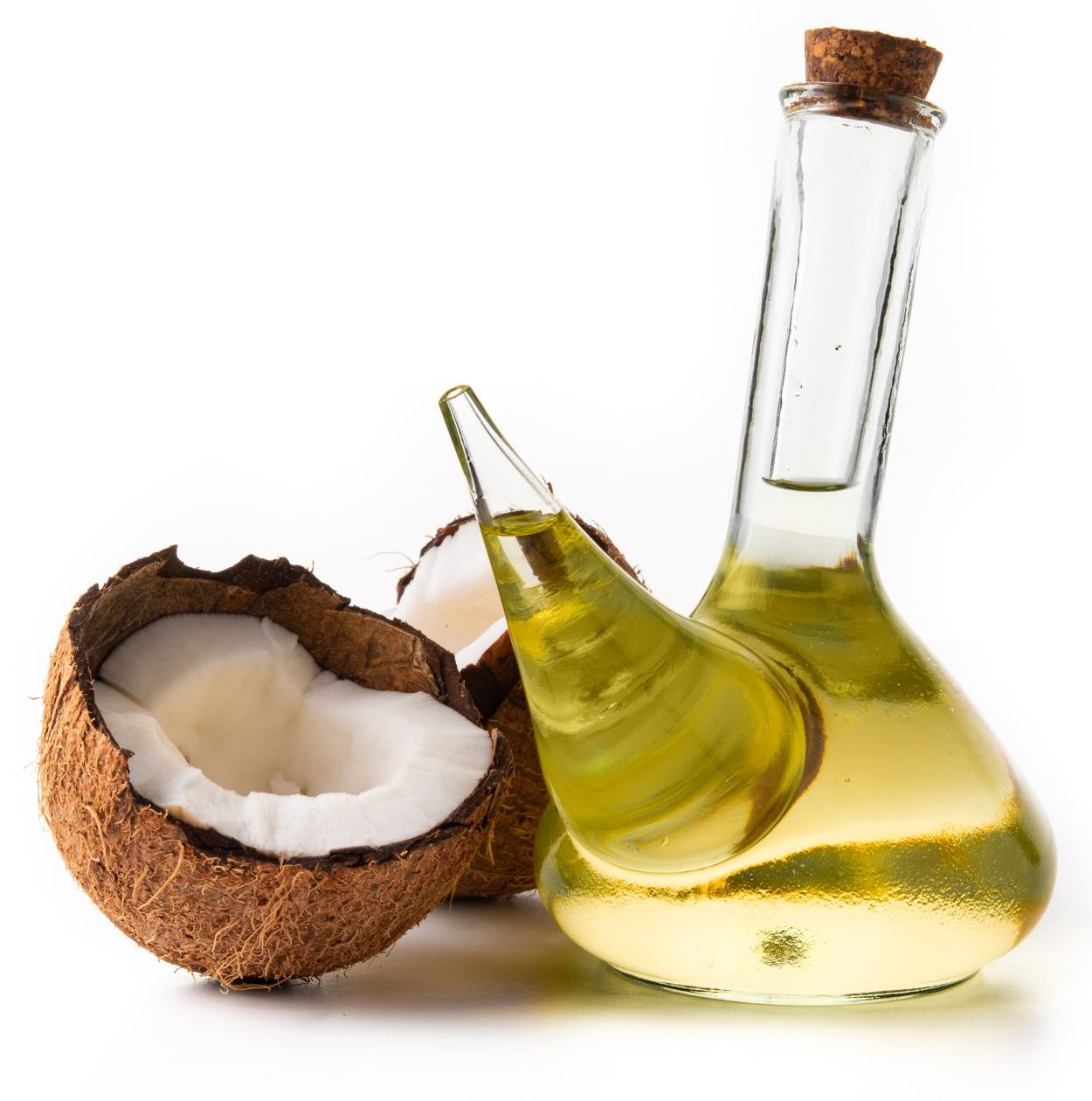
MCT oil is usually produced from plant sources such as coconut oil or palm kernel oil. However, coconut oil and MCT oil are not the same. MCT oil is a processed and concentrated ingredient that contains a higher proportion of medium chain triglycerides through separation and purification processes.
Which Type of MCT Is Best for Bulletproof Coffee?
In many functional products, MCT oils rich in C8 (caprylic acid) and C8/C10 combinations are widely used. Selecting the appropriate type depends on the product objective, market positioning, desired characteristics, and formulation cost.
Chemical Structure of MCT and Its Fatty Acid Types
The fatty acids present in MCT oil are classified based on the number of carbon atoms. The most important types include:
Caproic Acid (C6)
Caproic acid has the shortest chain length among MCTs. Due to its low molecular weight, it is rapidly absorbed, but because it can create a stronger taste and odor, it is usually present at lower levels in commercial food products.
Caprylic Acid (C8)
Caprylic acid is one of the most important components of commercial MCT oils. This fatty acid is widely considered in functional products and nutritional supplements. In many specialized formulations, MCT with a higher percentage of C8 is selected.
Capric Acid (C10)
Capric acid is another major component of MCT oil. Although its utilization speed in the body differs from C8, it plays an important role in the final oil composition due to its physical and functional properties.
Many MCT oils available on the market are combinations of C8 and C10.
Lauric Acid (C12)
Lauric acid is structurally positioned between MCTs and long chain fatty acids. Although it is classified as an MCT in some sources, its metabolic behavior is closer to long chain fats.
For this reason, specialized MCT oils are usually produced with a greater focus on C8 and C10.
Why Are C8 and C10 More Important in Commercial MCT Products?
Selecting the type of MCT in food product formulation is a technical decision and depends on the purpose of the product.
In products such as Bulletproof coffee, energy beverages, and sports supplements, MCT oils rich in C8 and C10 are usually preferred because these compounds provide a more neutral taste, offer flexibility in different formulations, and show different metabolic behavior compared with conventional oils.
These findings indicate that the type of MCT used, especially the ratio of C8 and C10, can play an important role in the metabolic response of functional food products.
Effect of MCT Oil on Satiety
One of the reasons behind the popularity of Bulletproof coffee is the greater feeling of satiety compared with regular coffee.
Black coffee contains almost no calories, while adding MCT oil introduces a significant amount of fat into the beverage. Fats are generally digested more slowly than carbohydrates and proteins and may influence feelings of fullness and gastric emptying time.
For this reason, some consumers prefer using MCT containing beverages at the beginning of the day. However, the satiety provided by MCT alone does not mean that it can supply all nutritional requirements of the body.
A complete meal usually requires protein, fiber, vitamins, and minerals in addition to energy. These components are generally not present in sufficient amounts in Bulletproof coffee.
How Many Calories Does Bulletproof Coffee Contain?
The calorie content of Bulletproof coffee completely depends on its formulation. The main factor responsible for increasing calories in this beverage is the amount of MCT oil and other added fats.
For example, adding 15 grams of MCT oil to a cup of coffee contributes approximately 135 kilocalories from this ingredient alone, because each gram of fat provides about 9 kilocalories of energy.
If butter or ghee is also added, the total energy content increases further.
Therefore, despite its simple appearance, Bulletproof coffee is not considered a low calorie beverage. This point is important for both consumers and manufacturers of ready made products, as the amount of MCT should be designed according to the product positioning and target market requirements.
How Is MCT Oil Produced?
The production of MCT oil usually involves several separation and purification steps to isolate the desired fatty acid fractions.
Initially, plant oils rich in suitable fats, such as coconut oil, undergo processing to separate different fatty acids. The medium chain fractions are then isolated and purified to achieve the required specifications.
The goal of this process is to produce an oil with characteristics such as defined purity, low taste and odor, suitable stability, and predictable performance in food formulations.
These properties are highly important for manufacturers because consistent raw material quality is one of the key factors affecting the success of the final product.
Why Is MCT Oil the Best Choice for Bulletproof Coffee?
The selection of MCT oil for Bulletproof coffee is not only related to its nutritional value. This oil has several characteristics that make it suitable for this application.
The first characteristic is its relatively neutral taste. Coffee is a product that is highly sensitive to aroma and flavor, and any ingredient with a strong taste can change the consumption experience. High quality MCT oil usually allows the original character of coffee to be maintained without creating a dominant flavor.
The second characteristic is its physical properties and formulation compatibility. Although oil and water naturally tend to separate, appropriate process design and the use of suitable technologies can help produce beverages with a uniform texture and desirable sensory experience.
For this reason, MCT oil has moved beyond being a simple ingredient and has become one of the important components in the design of new generations of functional food products.
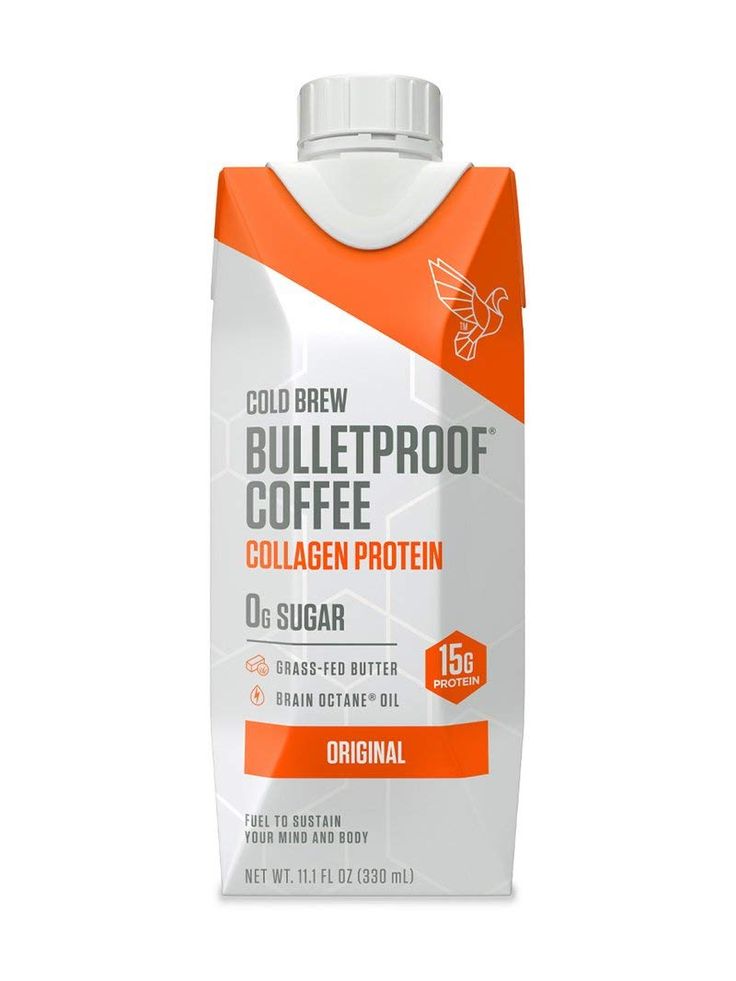
Difference Between MCT and Conventional Fats (LCT)
To better understand the role of MCT, comparing it with long chain fats is important.
Conventional fats, which make up a large part of vegetable and animal oils, mainly consist of long chain fatty acids. These fats play important roles in energy supply, cell structure, and the absorption of certain fat soluble vitamins. However, the process of using them in the body is different.
In contrast, MCTs enter energy production pathways more rapidly due to their shorter structure. This difference does not mean that MCT is a better fuel or a complete replacement for all dietary fats. Instead, its main characteristic is the different metabolic pathway through which it is utilized in the body.
From a nutritional perspective, this difference has made MCT attractive for products designed to provide faster energy or create a specific functional position in the market.
Is MCT Oil Only Used for Bulletproof Coffee?
No. Bulletproof coffee is one of the most recognized applications of MCT, but this oil is also used in a wide range of products such as energy beverages, supplements, protein shakes, ketogenic products, and functional foods.
Limitations and Important Considerations for MCT Consumption
Despite its beneficial characteristics, MCT consumption, like any other food ingredient, should be controlled and used at an appropriate level.
Consuming high amounts of MCT oil, especially among individuals who are not accustomed to it, may cause digestive issues such as stomach discomfort, bloating, or changes in digestive function. Therefore, many nutrition professionals recommend gradually increasing MCT intake.
It is also important to consider that MCT is still a high energy oil. Adding large amounts of it to the diet without considering total calorie intake may increase daily energy consumption.
On the other hand, Bulletproof coffee should not be considered a permanent replacement for meals because it usually lacks components such as sufficient protein and fiber, which are essential for a balanced diet.
How Is the Basic Formula of Bulletproof Coffee Prepared?
In its simplest form, Bulletproof coffee is prepared by combining coffee, MCT oil, and a fat source such as butter or ghee. The purpose of this combination is to create a beverage with a uniform texture, smoother mouthfeel, and higher energy content compared with regular coffee.
The exact formulation can change depending on the consumption purpose, consumer preferences, and nutritional requirements. In industrial products, the formulation is more complex. Manufacturers must consider not only the amount of MCT, but also factors such as coffee type, fat level, processing method, product stability, and consumer sensory experience.
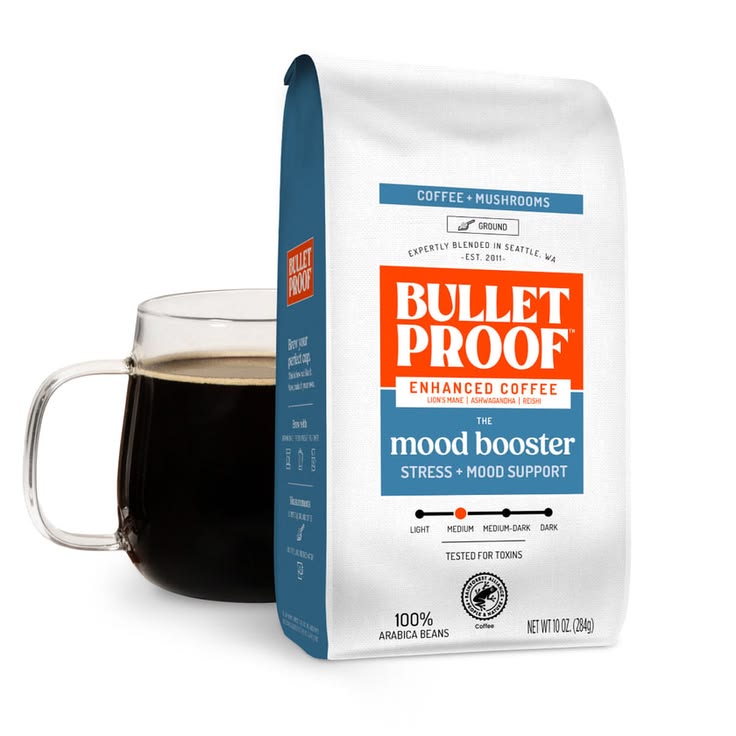
The Role of Emulsion in Bulletproof Coffee Quality
An emulsion is a process in which droplets of one liquid are stably dispersed within another liquid that does not naturally mix with it.
In Bulletproof coffee, the goal is to create a stable oil in water system, where small MCT oil droplets are distributed throughout the beverage and create a uniform texture.
Oil droplet size, emulsifier type, mixing method, and processing conditions can significantly affect the final quality.
In industrial products, factors such as emulsion stability during shelf life, prevention of oil separation on the surface, maintenance of suitable mouthfeel, and prevention of flavor changes during storage become important. Therefore, producing functional coffee containing MCT involves more than simply mixing ingredients and requires formulation knowledge and food technology expertise.
Using MCT in Instant Coffee
Yes, MCT oil can be used in instant coffee, and one of its attractive applications in new product development is the creation of functional instant coffee products.
In recent years, the instant coffee market has moved beyond simple coffee and sugar based products toward products that provide additional nutritional benefits. Combining instant coffee with ingredients such as MCT, protein, fiber, or vitamins is an example of this trend.
Products such as:
• Keto Coffee Mix
• Functional Instant Coffee
• High Energy Coffee
• Performance Coffee Powder
are examples of products that can be developed using MCT.
Challenges of Adding MCT to Instant Coffee
Although adding oil to instant coffee may seem simple from a conceptual perspective, there are several technical challenges in practice.
Instant coffee is usually a powder system that must dissolve quickly when added to water and create a uniform beverage. Adding fat can affect these characteristics.
The main challenges include proper solubility and dispersion, mouthfeel control, and product stability during storage.
The Future of MCT in the Food and Beverage Industry
Market trends indicate that consumers are moving toward products that not only meet basic nutritional needs but also provide a clear functional benefit.
MCT oil is positioned at the intersection of several important market trends:
• Growth of functional beverages
• Increasing demand for low carbohydrate products
• Development of sports nutrition products
• Growth of premium and specialty coffee
• Increasing importance of value added ingredients
For this reason, MCT is no longer only an ingredient used in Bulletproof coffee. It has become a product development tool for manufacturers seeking to create the next generation of functional foods and beverages.