International Standards for Coffee Bean Quality Assessment
Coffee bean quality is one of the most important factors influencing the flavor, aroma, economic value, and end-use applications of coffee. Although many consumers associate coffee quality with its country of origin, botanical species, or processing method, the global coffee industry evaluates quality using standardized and measurable criteria.
A common evaluation standard enables coffee producers, exporters, importers, roasters, food manufacturers, and baristas to communicate quality using a shared language. As a result, coffee trading in international markets is increasingly based on a standardized quality score known as the Coffee Score.
This score reflects how well a coffee meets internationally recognized standards in terms of sensory characteristics, processing quality, and overall drinking experience. In general, the higher the score, the greater the coffee’s sensory quality, market value, and commercial price.

Main scoring criteria in the SCA system
The final score of a coffee is derived from several sensory attributes. Each of these plays an important role in the final consumer experience.
Aroma
The intensity, quality, and complexity of the coffee aroma—both before brewing and after contact with water—are evaluated here.
Flavor
Flavor is the most important part of the coffee drinking experience and includes harmony, richness, and sensory notes such as chocolate, fruity, floral, or caramel tones.
Aftertaste
The quality and persistence of the taste remaining in the mouth after swallowing is an important quality indicator.
Acidity
Acidity in coffee does not mean unpleasant sourness; rather, it indicates brightness, freshness, and liveliness of flavor.
Body
Body refers to the weight and texture of the beverage in the mouth. Some coffees feel light, while others feel creamy and heavy.
Balance
In a high-quality coffee, all sensory attributes should be in harmony, with no single characteristic dominating others.
Sweetness
Natural sweetness is a sign of good-quality beans and proper processing.
Uniformity
All cups prepared from a sample should have similar quality. Large differences between cups reduce the score.
Clean Cup
The coffee should be free from any undesirable flavors, improper fermentation, mold, or other sensory defects.
To ensure that evaluation results are independent of personal preference, the SCA has defined a standardized cupping method.
First, coffee samples are roasted using a standard roast profile to minimize the influence of roasting on evaluation results. Then the beans are ground to a specific grind size, and an exact amount of ground coffee is placed into cupping bowls.
After adding water at a standardized temperature, the evaluator first assesses the dry aroma. Then, after the crust forms on the surface, it is broken to evaluate the released aroma. Next, as the sample cools, the coffee is tasted using a special spoon, and its sensory characteristics are assessed.
Usually, several cups are prepared for each sample at the same time to evaluate consistency and reduce the possibility of error.
How is the Cupping process done?
Who evaluates coffee?
Official coffee evaluation is performed by individuals who have received specialized training and whose skills have been validated through standardized examinations.
They are able to accurately detect sensory attributes, identify defects, and assign scores based on international standards. Therefore, their evaluation results are accepted as a reliable reference in global coffee trade.
Coffee quality classification based on score
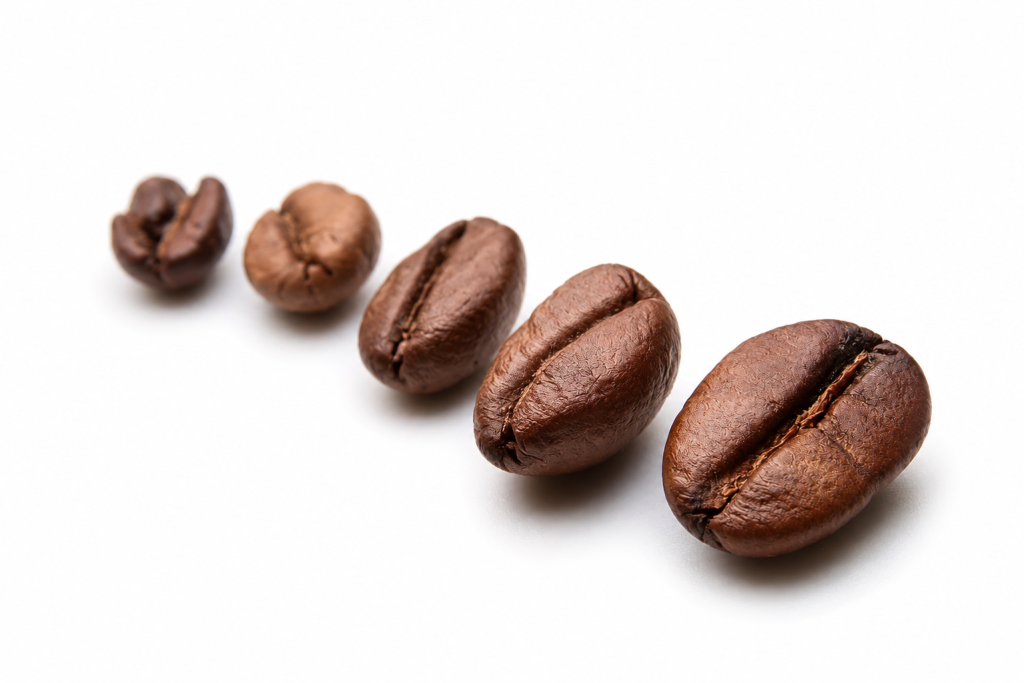
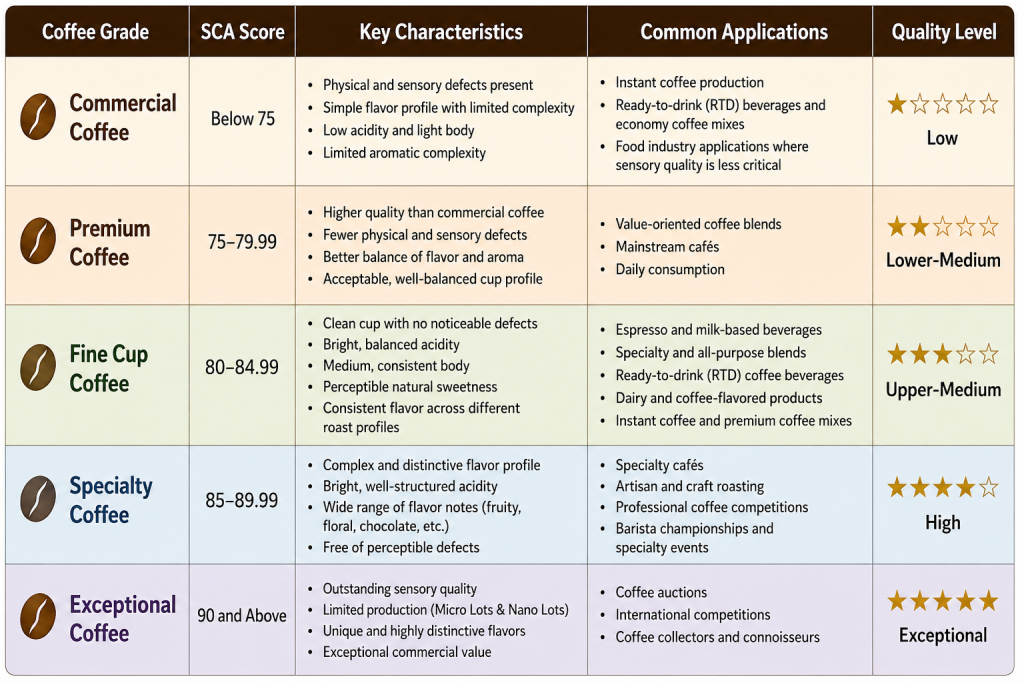
After evaluation, each sample is placed into a quality category. This classification reflects sensory quality as well as industrial use, market positioning, and economic value.
Coffee is generally classified into five main groups:
- Commercial Coffee
- Premium Coffee
- Fine Cup Coffee
- Specialty Coffee
- Exceptional Coffee
Why is coffee score important?
Coffee score is a standardized metric for evaluating quality, and it plays a key role in pricing, supplier selection, product formulation, quality control, and even defining the target market of a product.
Instant Coffee Powder or Brewed Coffee?
A Complete Guide to Preserving Flavor and Quality
What is the SCA and what role does it play in the coffee industry?
The Specialty Coffee Association (SCA) is one of the most reputable international organizations in the coffee industry, working to develop quality, education, research, and standardization.
This association was formed through the collaboration of various actors in the coffee supply chain, from farmers and exporters to roasters, equipment manufacturers, baristas, and researchers. The main goal of the SCA is to create standards that define coffee quality in a scientific, measurable, and comparable way.
The standards of this association are not limited to green coffee evaluation. They also cover areas such as brewing equipment, espresso machines, grinders, barista training, coffee grader skills, green coffee processing, and even methods for analyzing coffee value.
For this reason, SCA standards have become one of the most important references in the global coffee industry today.
What is the SCA Coffee Scoring System?
One of the most well-known standards of the SCA is the Cupping System, or sensory evaluation system for coffee.
In this method, coffee quality is not determined solely by bean appearance or farm information. Instead, a coffee sample—after standardized roasting and controlled brewing—is evaluated by trained assessors.
At the end of this evaluation, each sample receives a score between 0 and 100, known as the Coffee Score.
This score is the main basis for grading coffee quality in the global market, and many green coffee trading contracts are also based on it.
This study showed that factors such as over-dark roasting, reduced acidity, and the presence of burnt or undesirable flavors have the greatest negative impact on final coffee quality and can significantly reduce the overall score (sometimes by more than 10 points).
Key coffee quality grades
Commercial Coffee: mass-production coffee
At the lowest level of quality classification is Commercial Coffee. These beans are generally suitable for consumption but do not score highly in terms of sensory attributes, consistency, or processing quality.
Most of the world’s coffee production falls into this category and is mainly used for large-scale manufacturing. The main goal here is cost reduction and high-volume supply rather than flavor complexity or aroma.
Commercial coffees may contain more physical or sensory defects compared to higher grades. These defects can result from improper harvesting, non-standard processing, poor drying, or improper storage of green beans.
Key characteristics include:
- Economical price
- High-volume production
- Simple flavor profile
- Limited aroma complexity
- Suitable for mass production
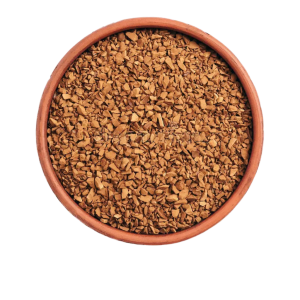
Therefore, this grade is widely used in instant coffee, some 3-in-1 products, budget blends, and food industries with lower sensory sensitivity.
Premium Coffee: a bridge between commercial and specialty coffee
One step above Commercial is Premium Coffee. This category typically scores between 75 and 79.99 and has higher quality than commercial coffee but does not yet reach the specialty level.
Defects are reduced, and flavor balance, aroma, and consistency improve. Many roasters use Premium Coffee for affordable blends with acceptable quality.
Characteristics:
- More stable quality than Commercial
- Fewer physical and sensory defects
- Better balance of acidity, body, and aroma
- Suitable for various roasting profiles
- Reasonable price compared to specialty coffee
This grade is suitable for businesses seeking better quality while maintaining cost control.
Fine Cup: balance between quality, performance, and cost efficiency
Above Premium lies a very important category in the coffee industry: Fine Cup Coffee.
Fine Cup typically includes coffees scoring between 80 and 84.99 and is often considered the entry point into the specialty coffee world.
Although Specialty Coffee receives more attention from enthusiasts, Fine Cup is extremely practical for producers, roasters, and the food industry.
Its importance lies in balancing three key factors:
- Acceptable sensory quality
- Performance stability
- Reasonable price
Therefore, many industry professionals consider Fine Cup the “optimal market balance point.”
Sensory characteristics of Fine Cup
Fine Cup beans are typically free of noticeable defects and offer a balanced flavor profile:
- Clean and pleasant aroma
- Clean taste with no off-flavors
- Balanced acidity
- Good body
- Detectable natural sweetness
- Pleasant aftertaste
- High uniformity between cups
Unlike Exceptional coffees, which may have unusual and highly distinctive flavors, Fine Cup provides a balanced and widely acceptable profile for most consumers.
This makes it one of the most popular choices for daily consumption and industrial production.
Why is Fine Cup a suitable choice for the food industry?
In the food industry, high quality alone is not enough; quality consistency is also extremely important. Producers of beverages, dairy products, coffee-based desserts, and instant powders need raw materials that behave almost identically in every batch so that the final product also maintains consistent quality.
Fine Cup has exactly this characteristic.
In addition to acceptable quality, this grade offers high stability in sensory attributes and is therefore widely used in many industrial production lines.
One of the most important applications of Fine Cup in the food industry is in the production of dairy products and coffee-based beverages.
In these products, coffee must not only provide a desirable aroma and flavor but also perform well alongside milk, cream, sugar, and other ingredients.
Due to its balance of acidity, body, and natural sweetness, Fine Cup can create a well-balanced flavor profile without introducing bitterness or off-flavors.
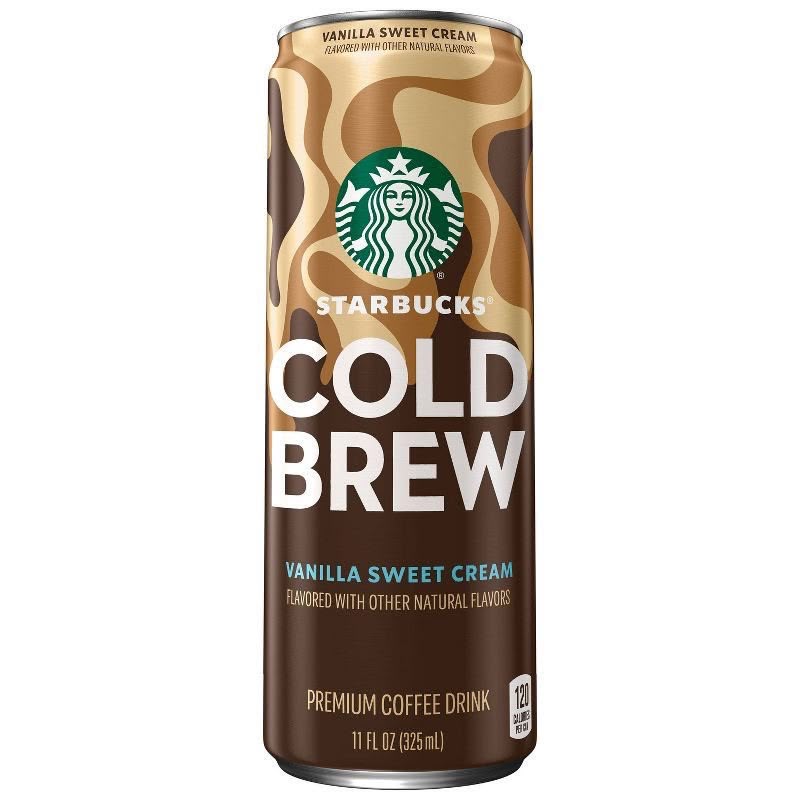
For this reason, it is widely used in products such as:
- Coffee milk
- RTD (Ready-to-Drink) beverages
- Instant cappuccino
- Coffee mixes
- Dairy desserts
- Coffee ice cream
- Coffee protein drinks
In many of these products, the goal is to create a balanced and widely acceptable coffee flavor for a broad range of consumers—something that Fine Cup delivers effectively.
Fine Cup as an all-purpose coffee
One of the key advantages of Fine Cup is its versatility.
Many companies refer to it as All-Purpose Coffee because it can be used across a wide range of applications without changing raw material specifications.
Why roasters prefer Fine Cup
Fine Cup has stable performance during roasting. Uniform beans respond consistently to heat, making roast profile control easier.
It also allows flexibility for light, medium, or dark roasts, which is valuable for companies producing diverse products.
Exceptional Coffee: the rarest coffees in the world
At the highest level is Exceptional Coffee. These coffees score 90 or above, and only a very small percentage of global production reaches this level.
Achieving this requires ideal conditions throughout production: from variety selection and farm management to hand-picking, precise processing, and full quality control.
Exceptional coffees are usually produced in micro-lots or nano-lots, meaning very small, limited batches.
Characteristics:
- Exceptional sensory quality
- Highly complex flavor profile
- Limited production
- High economic value
- Suitable for auctions and competitions
While these coffees offer unique experiences for enthusiasts, they are not suitable for mass production or industrial use due to high cost and limited availability.
Is higher-scoring coffee always the better choice?
No. The best coffee grade depends on its intended application. For many industrial products, ready-to-drink beverages, and dairy-based formulations, Fine Cup is often a more suitable choice than very high-priced grades due to its balance between quality and cost.
The importance of coffee scoring in global trade
Coffee scoring is not just a sensory indicator; it is one of the most important decision-making criteria in the global supply chain.
Exporters, importers, roasters, and food manufacturers use this score to select appropriate raw materials. In general, the higher the score of a coffee, the higher its economic value. However, this does not necessarily mean it is suitable for all applications.
For example, a coffee with a score of 91 may have exceptional sensory characteristics, but due to its high price, it may not be an economical choice for ready-to-drink beverages or dairy-based products. In contrast, Fine Cup, by providing a balance between quality, consistency, and cost, is often a more suitable choice for many industrial applications.
Therefore, selecting the appropriate grade should be based on the type of product, target market, consumer expectations, and production cost.
Conclusion
Understanding the different coffee bean grades is one of the most important factors in selecting suitable raw materials for roasters, coffee shops, and food manufacturers. Each grade has different sensory characteristics, applications, and economic value, and choosing correctly can directly impact final product quality and consumer satisfaction.