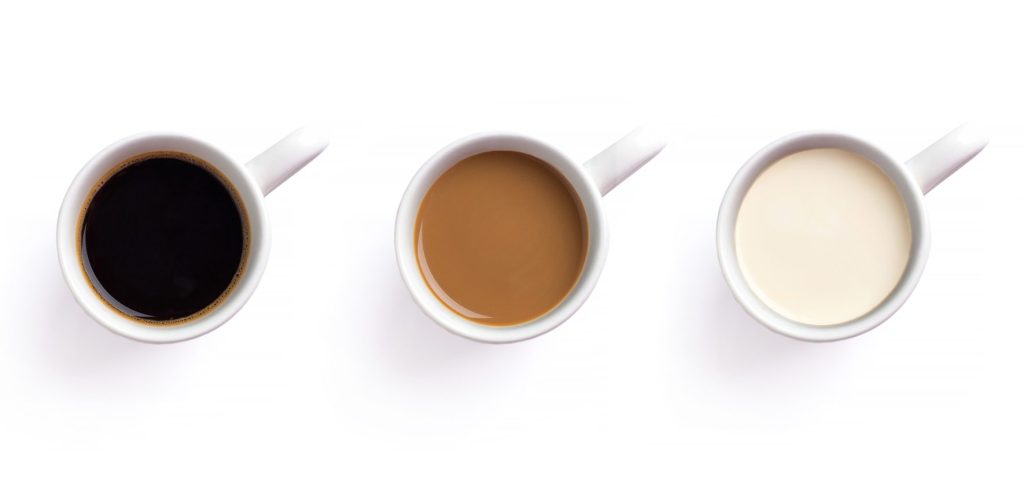
Why Do Some Instant Coffees Have a Lighter Color and a Richer, Creamier Taste and Mouthfeel?
The answer often lies in the use of two key functional ingredients in the beverage industry: foamers and creamers.
Today, foamers and creamers are recognized as essential functional ingredients in the development of instant beverages. They enable manufacturers to achieve sensory and physical characteristics that cannot be obtained through the primary ingredients alone. A foamer creates and stabilizes foam, providing an experience similar to steamed milk foam in cappuccino, while a creamer enhances creaminess, moderates bitterness, improves mouthfeel, and elevates the overall sensory quality of the beverage.
Despite their widespread use throughout the food industry, one common question remains:
What are foamers and creamers?
and what is the actual difference between these two functional ingredients in instant beverage formulations?
The answer goes beyond a simple definition. The performance of foamers and creamers depends on numerous factors, including their chemical composition, protein source, fat content, manufacturing process, particle size, processing conditions, and interactions with other formulation components.
In a professionally designed beverage, selecting the appropriate foamer or creamer can significantly influence consumer acceptance. For example, an instant cappuccino requires a foamer capable of producing abundant, stable foam, while simultaneously relying on a creamer to deliver dairy-like creaminess, smoothness, and flavor balance. Rather than competing ingredients, foamers and creamers typically function as complementary components.
The Importance of Foamers and Creamers in the Instant Beverage Industry
The global instant beverage market has expanded rapidly in recent years, driven by changing consumer lifestyles, increasing demand for convenient ready-to-prepare products, and the continued growth of coffee culture.
Modern consumers no longer seek products that merely satisfy a basic need. Even in instant beverages, they increasingly expect an experience comparable to beverages prepared by professional coffee shops.
In the past, many instant beverages were formulated primarily with coffee powder or milk powder. Today, however, functional ingredients such as foamers and creamers enable manufacturers to exercise far greater control over product quality and sensory performance.
A successful beverage formulation must simultaneously achieve several key objectives:
- Rapid dissolution in water
- Attractive visual appearance
- Balanced bitterness and acidity
- Rich, creamy mouthfeel
- Long-term storage stability
- Consistent quality after preparation
Foamers and creamers each address different aspects of these performance requirements.

Barry Callebaut : Lasting Taste, Trusted Innovation
Trusted Partner in The Product Lines of Leading Brands
- Business partner
How Does a Foamer Create Foam?
To understand how a foamer works, it is important to consider the concept of surface tension in food systems.
Water molecules naturally attract one another, creating a surface with relatively high energy. This property makes the formation of stable air bubbles in pure water both difficult and short-lived.
The functional ingredients contained in a foamer migrate to the interface between air and liquid, reducing the energy required to create bubbles. They form a protective film around each bubble, preventing adjacent bubbles from rapidly merging (coalescing).
As a result, when the beverage dissolves and air is incorporated, the foam remains stable for a considerably longer period.
Why Is a Foamer Essential in Instant Cappuccino?
Cappuccino is perhaps the clearest example of a beverage in which the role of a foamer is immediately visible.
Traditional cappuccino derives its characteristic foam from steamed and aerated milk. In instant cappuccino, however, neither fresh milk nor conventional milk-foaming processes are available. Manufacturers therefore rely on foamers to recreate a similar sensory experience.
A cappuccino foamer should be capable of:
- Activating rapidly upon the addition of hot water
- Producing a generous volume of foam
- Maintaining foam stability throughout consumption
- Enhancing the beverage’s perception of quality and smoothness
For this reason, the selection of an appropriate foamer has a direct impact on the final quality of the product.
What are the most important characteristics of a high-quality foamer?
A high-quality foamer should produce abundant and stable foam, dissolve quickly, and remain compatible with the other ingredients in the formulation.
Is a foamer the same as a creamer?
No. Although both ingredients may be used in the same product, they serve different purposes and are complementary rather than interchangeable. A foamer is designed to create and stabilize foam, whereas a creamer enhances the beverage’s color, texture, flavor, body, and mouthfeel.
What Is a Creamer? Definition and Role in Instant Beverages
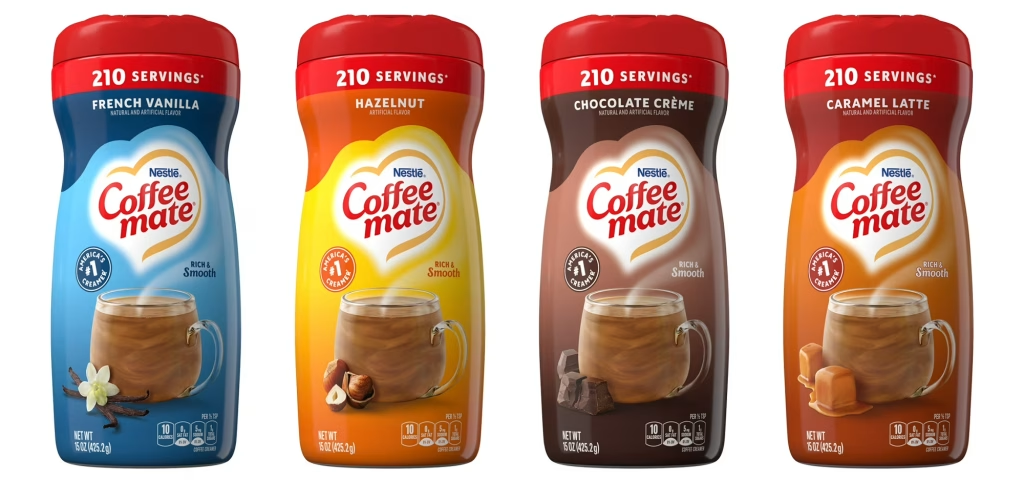
A creamer is a widely used functional ingredient in the beverage industry, designed to provide milk- or cream-like characteristics in a variety of products. Simply put, a creamer enhances a beverage’s flavor, color, body, and creamy mouthfeel. It is commonly used in instant coffee, coffee mixes, instant tea, cocoa-based beverages, and hot chocolate as a stable and convenient alternative to liquid milk or cream.
The primary advantage of creamers is their ability to deliver consistent sensory performance while offering a long shelf life, easy transportation, and reliable functionality under different processing and storage conditions.
Although natural milk contains valuable components such as proteins, fats, and lactose, its use in instant beverage formulations presents challenges, including high moisture content, limited shelf life, and the need for refrigerated storage. Through advanced drying technologies and carefully designed formulations, creamers replicate many of the desirable properties of milk in a stable, free-flowing powder suitable for industrial applications.
For these reasons, creamers have become an essential component in the formulation of many instant beverages.
What Is a Foamer? Definition of a Foamer in Food Applications
A foamer is a functional food ingredient specifically designed to generate, enhance, and stabilize foam in a wide range of food and beverage products. Simply put, a foamer enables a beverage to incorporate air bubbles and maintain them for a sufficient period during consumption.
Under natural conditions, foam is inherently unstable. When air is introduced into a liquid, the resulting bubbles rapidly collapse because of density differences and surface forces. To prevent this collapse, ingredients capable of forming a protective layer around the air bubbles are required.
Foamers accomplish this through carefully designed combinations of surface-active compounds, proteins, and stabilizing agents that strengthen and stabilize the foam structure.
In food applications, the objective is not merely to produce a large volume of foam. The quality of the foam is even more important. An effective foamer should:
- Produce fine, uniform foam
- Generate foam rapidly after preparation
- Maintain foam stability throughout consumption
- Be fully compatible with the other ingredients in the beverage formulation
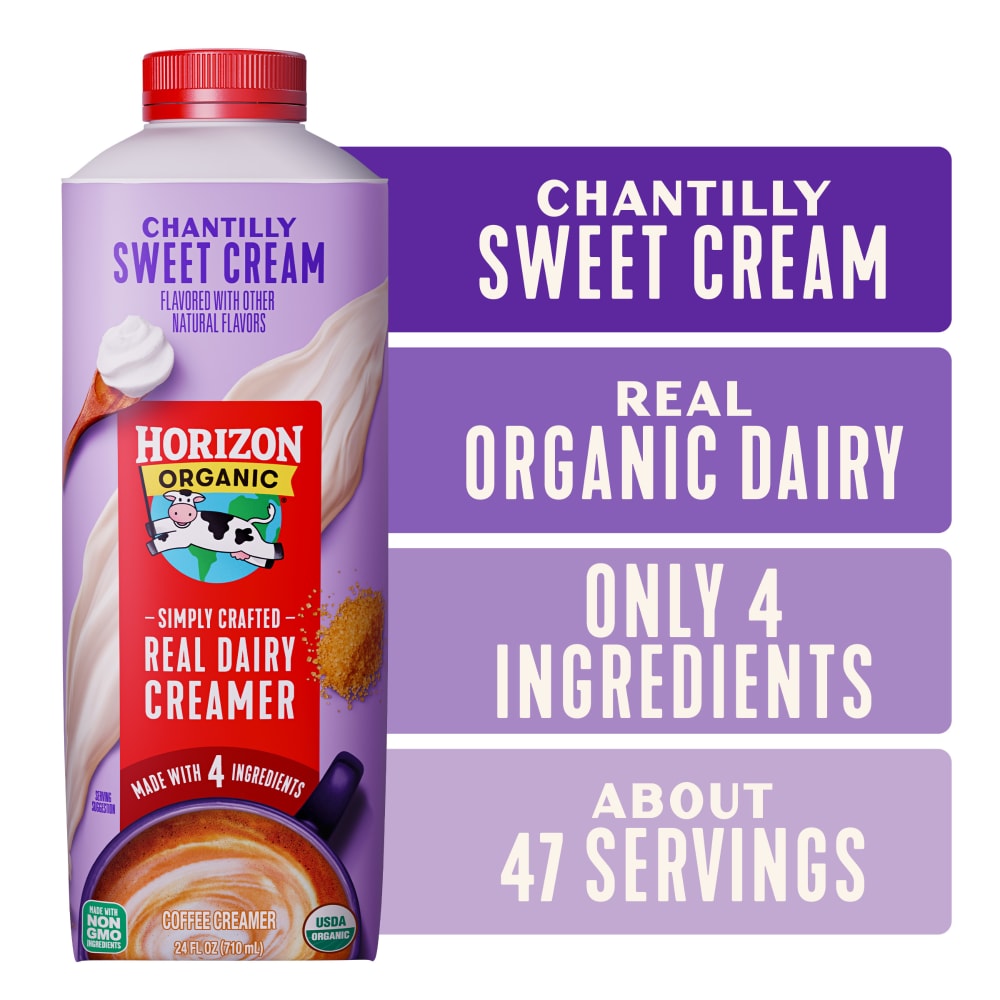
Types of Creamers
Creamers can be classified according to their composition and intended application.
Dairy Creamers
Dairy creamers contain milk-derived ingredients and generally provide sensory characteristics that closely resemble those of traditional dairy products.
Their primary advantage is a more authentic dairy flavor and creamier mouthfeel, making them ideal for premium beverages designed to replicate the experience of milk-based drinks.
However, concerns such as lactose intolerance, higher production costs, and more demanding storage requirements may limit their use in certain applications.
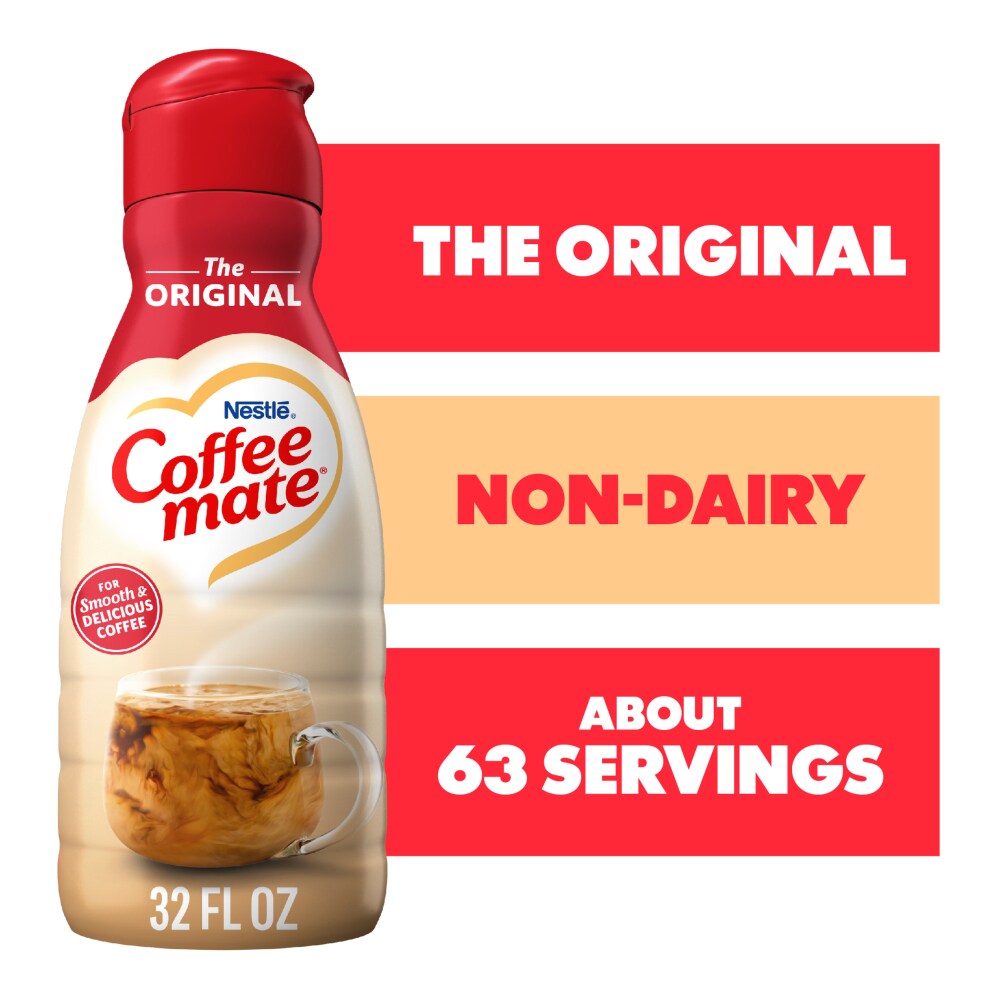
Non-Dairy Creamers
Non-dairy creamers are among the most widely used ingredients in the instant beverage industry.
Typically formulated with vegetable oils, carbohydrates, proteins, and emulsifiers, they offer superior storage stability, extended shelf life, compatibility with dairy-free products, and consistent performance during industrial processing.
These advantages make non-dairy creamers the preferred choice for many manufacturers of instant coffee and coffee mixes.
Is It Necessary to Use Both a Foamer and a Creamer?
Not necessarily. Whether both ingredients are required depends on the type of beverage and the desired sensory profile. In products such as instant cappuccino, foamers and creamers are typically used together to provide both a stable foam layer and a rich, creamy mouthfeel. In many other instant beverages, however, a creamer alone is sufficient to deliver the desired flavor, body, and appearance without the need for added foam.
What Is the Difference Between a Foamer and a Creamer?
One of the most common questions in the beverage industry is whether foamers and creamers serve the same purpose or whether one can replace the other.
The short answer is no.
Although both ingredients are often used in the same formulation, they perform fundamentally different functions.
A foamer is designed to generate and stabilize foam by creating and maintaining air bubbles throughout consumption.
A creamer, in contrast, is intended to improve the beverage’s sensory properties by enhancing color, creaminess, body, and flavor balance.
Simply put, a foamer primarily influences what consumers see the foam and visual appearance of the beverage whereas a creamer primarily influences what consumers feel its taste, body, creaminess, and mouthfeel.
For this reason, the design of industrial foamers depends not only on the amount of fat present but also on the type of fat, fat droplet size, emulsion quality, and its interactions with proteins and emulsifiers. These factors explain why foamers and creamers exhibit distinct functionalities in instant beverage formulations and cannot simply be used interchangeably.
Why Are Creamers Used in Instant Coffee?
Coffee naturally contains compounds responsible for its distinctive flavor and aroma, but some of these compounds also contribute to bitterness, acidity, and a dry mouthfeel. One of the primary purposes of adding a creamer to instant coffee is to balance coffee intensity while improving overall consumer acceptance.
When a creamer is added, it enhances several key sensory attributes. Its fat content provides a richer, creamier mouthfeel, while proteins contribute to a fuller body and interact with flavor compounds to create a smoother taste. Carbohydrates further improve viscosity and enhance the perception of sweetness.
For this reason, creamer is one of the three essential ingredients in many 3-in-1 coffee mixes, alongside coffee and sugar.
However, the role of a creamer extends far beyond simply lightening the color of the beverage. An effective creamer should soften bitterness, create a smooth and creamy mouthfeel, improve visual appeal, and dissolve completely without sedimentation or phase separation.
The Role of Creamers in Flavor, Color, and Mouthfeel
One of the most important functions of a creamer is its effect on mouthfeel—the combination of sensory perceptions experienced while drinking a beverage, including body, smoothness, creaminess, coating, and flavor persistence.
In coffee beverages, creamers provide greater body and a fuller texture, creating a drinking experience that more closely resembles coffee prepared with fresh milk. This is particularly important in instant beverages, where consumers expect convenience without sacrificing sensory quality.
Creamers also play a significant role in the beverage’s appearance. By lightening the color, they transform a dark coffee into a beverage with a milkier, creamier appearance. This visual change strongly influences consumers’ initial perception of smoothness, richness, and overall quality.
From a flavor perspective, creamers help soften bitterness and acidity, resulting in a more balanced taste profile. However, selecting the appropriate type and dosage is essential, as excessive use may mask the coffee’s desirable flavor characteristics.
Key Ingredients in Creamers
Although creamer formulations vary depending on the intended application and desired functionality, most industrial creamers consist of four main groups of ingredients.
Fats and Vegetable Oils
Fat is one of the most important components of a creamer because it directly contributes to creaminess and richness.
Most non-dairy creamers are formulated with vegetable oils. The choice of oil influences melting behavior, mouthfeel, oxidative stability, and storage performance. Selecting the appropriate oil is critical, as unsuitable oils may produce a waxy texture, excessive greasiness, or undesirable flavors.
Carbohydrates
Carbohydrates improve powder structure, solubility, and the physical properties of creamers. Ingredients such as maltodextrin and dried glucose syrup are commonly used to support spray drying, control sweetness, and improve powder stability.
Proteins
Proteins—particularly milk proteins such as sodium caseinate—play an essential role in many creamers. They help stabilize emulsions, improve the interaction between oil and water, and contribute to a richer, creamier mouthfeel.
In fully plant-based creamers, proteins from sources such as pea protein and other plant proteins are commonly used as alternatives.
Emulsifiers and Stabilizers
Because creamers contain oil, water-soluble solids, and other ingredients, maintaining emulsion stability is essential.
Emulsifiers ensure that fat droplets remain uniformly dispersed, preventing oil separation after beverage preparation. Stabilizers further improve viscosity, solubility, and product stability throughout shelf life.
Using Foamers and Creamers Together in Instant Beverages
Although foamers and creamers serve different functions, they are often used together in professionally formulated instant beverages because they complement one another. A consumer’s perception of a beverage depends on more than a single attribute. Appearance, aroma, flavor, body, mouthfeel, and even how well the beverage maintains its quality after preparation all contribute to the overall drinking experience.
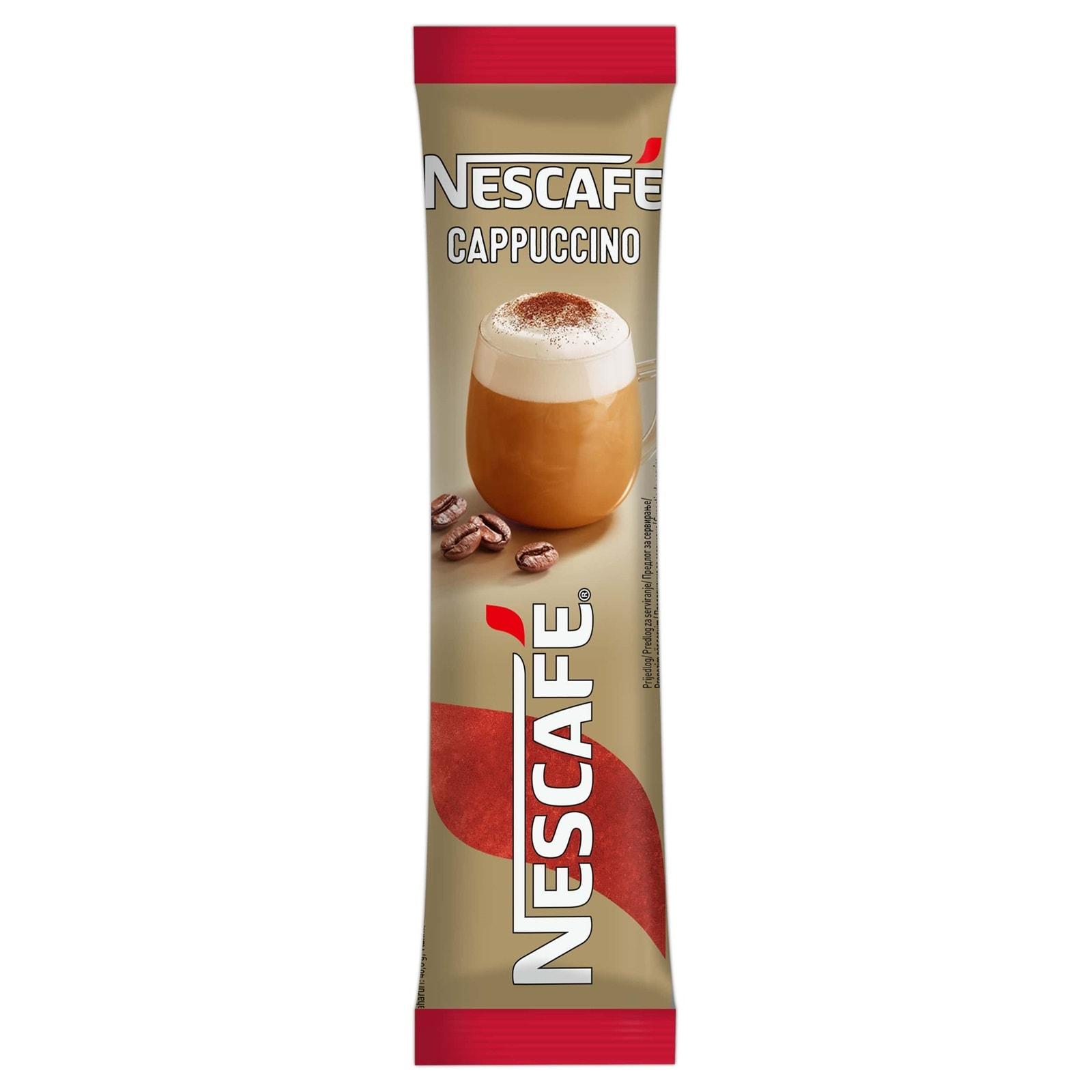
For example, consumers expect an instant cappuccino not only to deliver an authentic coffee flavor but also to resemble freshly prepared cappuccino topped with steamed milk foam. Achieving this experience requires the combined functionality of both ingredients. The foamer is responsible for creating and stabilizing the foam, while the creamer provides creaminess, softens the intensity of the coffee, and enhances mouthfeel.
Using only a foamer may produce an attractive foam but leave the beverage lacking in richness and sensory appeal. Conversely, using only a creamer improves creaminess and body but cannot generate the stable foam consumers expect from cappuccino. For this reason, manufacturers carefully optimize the ratio of foamers to creamers to achieve the ideal balance between visual appearance and sensory quality.
This balance is particularly important in new product development, where even small adjustments in the type or dosage of these ingredients can significantly affect foam stability, dissolution rate, flavor intensity, and overall consumer acceptance.
Applications of Foamers and Creamers in Instant Coffee and Coffee Mixes
Instant coffee represents one of the most important applications for both foamers and creamers. The primary challenge for manufacturers is to recreate the sensory characteristics of freshly brewed coffee with milk in the form of a stable, easy-to-use powder.
Instant coffee alone can deliver coffee aroma and flavor, but it generally lacks the creaminess, lighter color, and smooth texture associated with milk-based coffee beverages. For this reason, creamers are a key component in many instant coffee formulations.
By forming a stable emulsion, creamers ensure the uniform distribution of fat throughout the beverage, improving both appearance and mouthfeel. They also help moderate coffee bitterness, making the beverage more appealing to a broader range of consumers.
In 3-in-1 coffee mixes, the quality of the creamer has an even greater influence on the overall consumer experience. A poorly formulated creamer may produce an oily mouthfeel, leave undissolved particles, or negatively affect flavor. In contrast, a well-designed creamer creates a smoother, richer beverage that more closely resembles coffee prepared with fresh milk.
In premium instant cappuccino formulations, a foamer is added alongside the creamer to produce the characteristic foam layer. Achieving the right balance between these two ingredients is essential, as excessive amounts of either one may compromise the beverage’s overall sensory profile.

Innovation in instant cocoa powder
How agglomeration transforms flavor, solubility and performance?
Applications of Foamers and Creamers in Cocoa-Based Beverages
The use of foamers and creamers extends beyond coffee products. They also play an important role in cocoa-based beverages and hot chocolate formulations.
Because cocoa powder naturally contains polyphenols and cocoa solids, it exhibits characteristic bitterness, astringency, and a slightly drying mouthfeel. While these properties contribute to cocoa’s distinctive flavor profile, they may require moderation in certain consumer products.
Creamers help soften these sensory characteristics by increasing creaminess and richness, resulting in a smoother chocolate experience. They also enhance body, making the beverage feel closer to hot chocolate prepared with fresh milk.
In some formulations, foamers are incorporated to create a stable foam layer on the beverage surface. This is particularly valuable in premium products, where visual appearance significantly influences consumers’ perception of quality.
How to Choose the Right Foamer for Industrial Formulations
Selecting the appropriate foamer requires evaluating multiple technical parameters rather than focusing solely on foam volume. An effective foamer must balance foam generation, foam stability, and compatibility with the other ingredients in the formulation.
One of the most important performance indicators is foam capacity, which refers to the amount of foam a foamer can generate. However, producing a large volume of foam alone is not sufficient if the foam rapidly collapses after preparation.
Equally important is foam stability. Since consumers often wait several minutes before drinking an instant beverage, the foam should remain stable throughout the expected consumption period.
Other critical selection criteria include particle size, dissolution rate, protein source, and compatibility with ingredients such as coffee, sugar, and creamers.
How to Choose the Right Creamer for Instant Beverages
Selecting the right creamer depends on multiple formulation and processing factors. Since the primary purpose of a creamer is to enhance the overall sensory experience, attributes such as mouthfeel, flavor, color, solubility, and stability should all be carefully evaluated.
The type and level of fat are among the most critical factors influencing a creamer’s performance. Fat is largely responsible for the creamy mouthfeel consumers expect, but an unsuitable fat source may produce an unpleasant greasy or waxy sensation and negatively affect flavor.
In non-dairy creamers, selecting the appropriate vegetable oil is particularly important because it influences oxidative stability, shelf life, and sensory performance.
Another key consideration is the whitening effect, especially in instant coffee applications where beverage color is one of the first quality attributes noticed by consumers.
An effective creamer should dissolve rapidly in hot water while maintaining a stable emulsion without sedimentation, oil separation, or undesirable flavor changes.
The Future of Foamers and Creamers in the Food Industry
Emerging trends in the food industry indicate a growing demand for functional ingredients that deliver enhanced performance while meeting evolving consumer expectations. Today’s consumers seek products that combine convenience with a sensory experience comparable to freshly prepared premium beverages.
In the field of foamers, research and development are increasingly focused on improving foam stability, utilizing novel protein sources, and developing foamers specifically designed for plant-based beverages.
For creamers, the market is shifting toward plant-based alternatives, clean-label formulations, and reduced reliance on artificial ingredients.
The growing popularity of lactose-free and vegan products has further accelerated the development of next-generation creamers based on plant proteins and highly stable vegetable oils, creating new opportunities for innovation in instant beverage formulations.