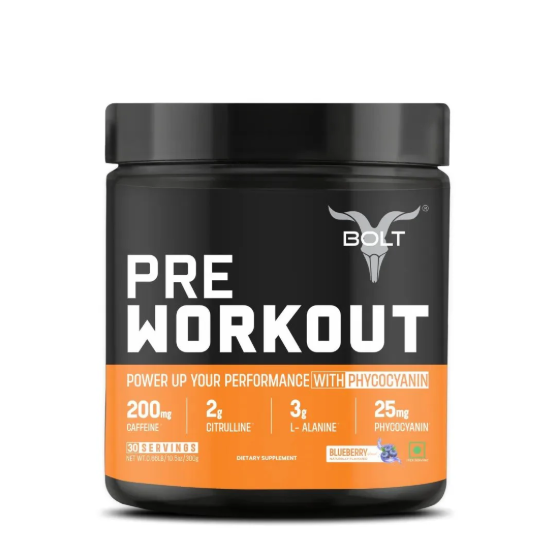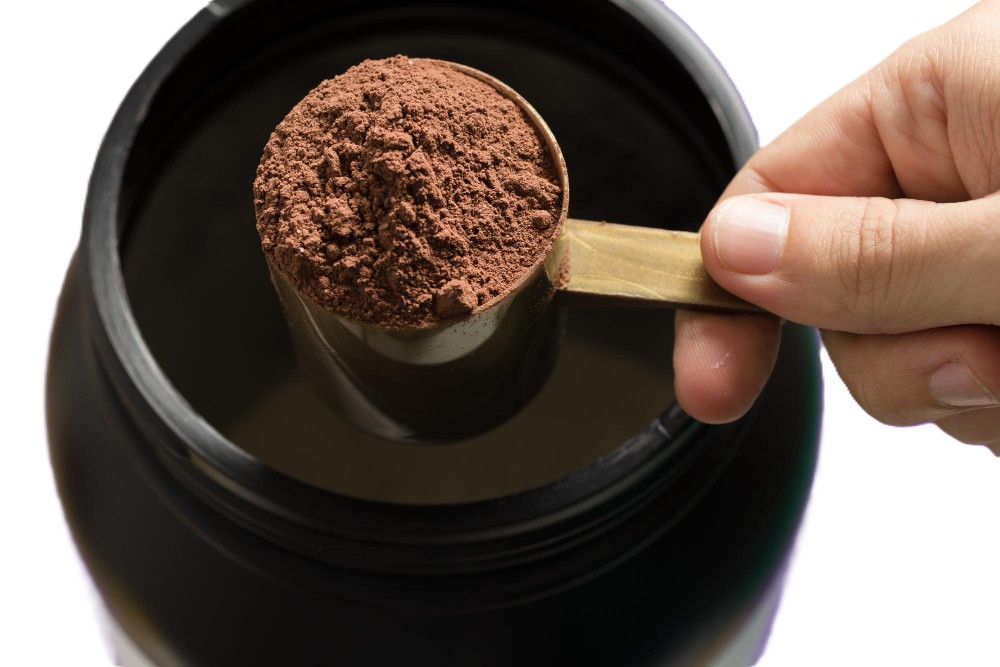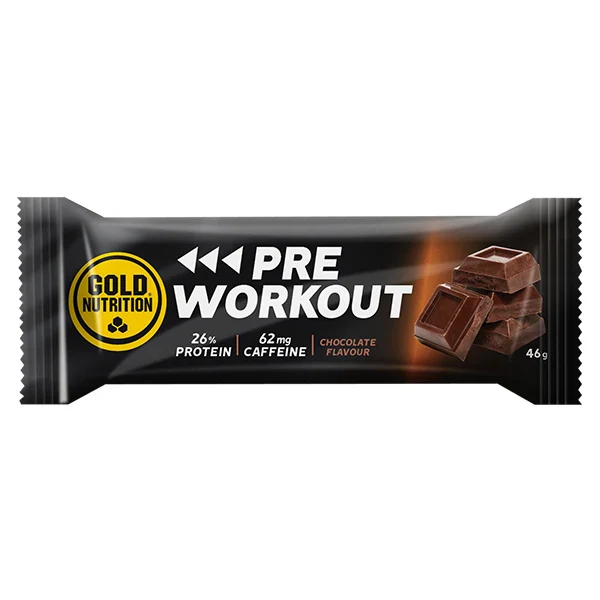

How Does Cocoa Powder Support Sports Supplements ?
Cocoa powder is not just a flavoring agent; in sports supplements, it is valued for its unique combination of bioactive compounds that support both physical performance and mental focus during workouts.
Although cocoa’s effects are mostly supportive and should not be expected to directly and dramatically boost performance, its active ingredients can provide benefits when used within a comprehensive training and nutrition plan.
Key Active Compounds in Cocoa :
The effectiveness of cocoa in sports supplements is primarily due to these compounds :
- Flavanols (Cocoa Flavanols) : Potent antioxidants that enhance blood flow and nitric oxide production.
- Epicatechin : A prominent flavanol contributing to vascular health and reduced exercise fatigue.
- Polyphenols : Provide antioxidant protection, reducing exercise-induced oxidative stress.
- Theobromine : Offers mild, long-lasting stimulatory effects without the crash associated with caffeine.
Cocoa’s role in the body is supportive; not a direct performance enhancer.
Enhanced Performance from Body to Brain
Cocoa’s bioactive compounds don’t just support blood circulation and fatigue management. They may also help sharpen focus and support mental well‑being. Want to learn more? Read “Cocoa, Brain Function and Mental Health ”Article.
- Related article
Enhancing Blood Flow and Oxygen Delivery (NO)
Cocoa flavanols, particularly epicatechin, can stimulate the production of nitric oxide (NO) in blood vessels.
Nitric oxide promotes vasodilation, meaning blood vessels relax and widen. This process can improve circulation and enhance the delivery of oxygen and nutrients to working muscles during exercise.
Better blood flow may support exercise endurance and muscular efficiency.
Reduced Oxidative Stress During Exercise
Intense physical activity increases the production of reactive oxygen species (ROS). Excess ROS can contribute to oxidative stress, which may damage cells and impair recovery.
Cocoa contains polyphenols and flavonoids that act as antioxidants.
These compounds may help neutralize free radicals and support the body’s natural antioxidant defense system during and after exercise.
Mild Effects on Energy Metabolism
Some studies suggest cocoa flavanols may influence energy metabolism.
Cocoa intake may promote slightly greater fat oxidation, meaning the body may rely more on fat as a fuel source during certain types of exercise.
However, this metabolic effect appears to be modest and cocoa should not be considered a primary fat‑burning supplement. Instead, it may help support overall metabolic efficiency during training.
How Does Cocoa Powder Affect Athletes’ Bodies?
Cocoa powder contains bioactive compounds called flavanols that may support exercise physiology. Research suggests cocoa can help athletes primarily through improved blood flow, antioxidant protection and mild metabolic support. These effects may contribute to better training efficiency and recovery when combined with proper nutrition and exercise.
The Role of Cocoa in Pre-Workout Supplements
Cocoa powder is increasingly being used in pre-workout supplements, aiming to enhance energy levels, support better workout performance and deliver a more stable energy experience compared to the rapid energy spike from caffeine.
What Is the Function of Cocoa in Pre-Workout Supplements?
- Natural Pre-Workout Option : Cocoa can serve as a natural alternative for those looking to avoid or reduce caffeine intake.
- Energy and Focus : While caffeine instantly boosts alertness and performance, cocoa offers mild yet sustainable energy and supports focus through theobromine, a key compound found in cocoa.
Cocoa vs. Caffeine: Which Is Better for Pre-Workout ?
Both cocoa and caffeine are common in sports supplements, each with distinct effects:
- Caffeine: Acts as a strong stimulant, quickly increasing alertness, focus and exercise performance.
- Cocoa: Provides a milder, longer-lasting energy boost (primarily via theobromine) while supporting focus and reducing exercise-induced stress.
Can Cocoa Replace Caffeine ?
Yes, especially for people sensitive to caffeine’s side effects. Cocoa offers gentler stimulation, making it a good alternative for some individuals.
Can Cocoa Improve Exercise Performance ?
Yes, but its role is primarily supportive, not performance-enhancing. Cocoa may help improve blood flow, reduce fatigue and support focus during training. However, current human evidence shows that it does not directly increase muscle mass or significantly improve key performance markers such as VO₂max.
Interpretation:
Cocoa is better positioned as a Performance Support ingredient, not a Performance Booster.

What cocoa may indirectly support:
- Delayed onset of fatigue
- Improved tolerance during endurance exercise
- Better maintenance of training quality over longer sessions
Post-Workout (Recovery Support)
After training ( especially intense or prolonged sessions) the body experiences increased oxidative stress. In this phase, cocoa can play a supportive role by helping counter oxidative damage.
However, its role in recovery is secondary: protein remains the key driver of muscle repair, while cocoa mainly contributes mild antioxidant support and improves overall palatability of the supplement.
When is the Best Time to Take Chocolate-Based Supplements ?
The optimal timing for consuming a chocolate-based supplement depends on your specific training goal:
Pre-workout :
If the product is light and low in sugar and fat, it can support focus and provide a steady release of energy during training. Cocoa-based formulas are especially useful for athletes who want smoother, non-jittery energy.
Post-workout :
If the supplement contains sufficient protein, it can contribute to nutritional recovery. In this context, protein plays the primary role in muscle repair, while cocoa mainly enhances taste, improves compliance and provides mild antioxidant support.
As a snack :
For appetite control, a chocolate supplement is more effective when it includes high protein and fiber with low sugar. Otherwise, it functions more like a sweet snack than a functional fitness supplement.
Chocolate-based supplements are not defined by timing alone; their effectiveness depends on formulation (protein, sugar, fat) and how well they align with your training objective.
When are cocoa‑based Supplements a good choice ?

Cocoa‑based supplements may be a suitable option if your goals include:
- achieving stable, mild energy support
- supporting healthy blood flow
- improving antioxidant defense during exercise
However, cocoa alone is not sufficient to increase athletic performance directly. It works best as part of a broader strategy that includes:
- structured training
- adequate protein intake
- proper nutrition
- sufficient sleep and recovery
Within this context, cocoa can function as a supportive ingredient in sports nutrition formulations, rather than a standalone performance enhancer.
Cocoa: From Sports Supplement to Protein Snack
If you’re looking for a health-focused option for pre-workout and post-workout nutrition, check out our guide “How to Choose the Right Cocoa Powder for Protein Bars”.
where we explore how cocoa, when combined with protein, functions as a practical, performance-friendly snack to support your overall nutrition.
- Related article
Improved Taste and User Experience
Cocoa helps mask :
- Raw protein flavors
- Certain amino acids
- Caffeine
- Other functional ingredients
This improves mouthfeel and overall enjoyment, which increases the likelihood of daily adherence
Better Consistency and Routine Adherence
Good flavor supports regular consumption.
Cocoa makes supplements more enjoyable, helping users maintain consistent daily intake ; a key factor in sports nutrition results.
Functional Support in the Formula
Cocoa contains :
- Flavanols : support healthy blood flow
- Polyphenols : natural antioxidants
- Theobromine : mild stimulant, steady energy
These make cocoa a supportive ingredient, complementing the product without acting as a primary performance enhancer.
Why Is Cocoa Used in Supplement Formulas ?
Cocoa is not added to sports supplements only for taste.
It improves palatability, supports consistent use and contributes bioactive compounds that can complement the formula’s overall function.
Does the Type of Cocoa Powder Affect Sports Supplements?
Cocoa powder influences more than just flavor.
Different types can affect taste, color, bitterness and even mouthfeel.
In some formulas, the cocoa type may influence how well active ingredients blend and how the final product tastes.
Natural vs. Alkalized Cocoa ; Which Is Better for Sports Supplements?
Natural cocoa usually contains higher flavanol levels, making it richer in active compounds.
However, it has a more bitter, less smooth taste.
Alkalized (Dutch‑processed) cocoa has:
- Milder taste
- Darker color
- Reduced acidity
But : the alkalization process decreases some flavanol content.
Choosing between them depends on the formula’s goals; flavor, functionality or both.
Why Do Some Chocolate‑Flavored Supplements Taste Bitter ?
Bitterness in chocolate‑based supplements is not always a sign of poor quality.
Sometimes, a stronger bitter taste appears because the product contains higher cocoa content, more flavanols or less sweetener.
If a supplement tastes more bitter, it may actually contain richer bioactive compounds.
To understand the real quality, always check the ingredient label, not just the flavor.
Who Should Be Cautious with Chocolate‑Based Supplements ?
Cocoa is generally safe for most people, but some individuals should be more mindful of intake:
- People sensitive to caffeine or theobromine
- Individuals with acid reflux or digestive issues
- Anyone with medical conditions requiring reduced stimulant intake
- Those managing blood sugar, since formulas vary in sugar content
If a chocolate supplement causes discomfort, consult a healthcare profession
Summary : How to Choose a Healthy Chocolate‑Based Supplement?
When selecting a chocolate‑flavored supplement, don’t focus only on sweetness.
Actual quality depends on overall ingredient composition.
Check for:
- Low added sugar
- Adequate protein content
- Natural cocoa powder or cocoa mass (not artificial chocolate flavoring)
- Ingredients aligned with your diet and training plan
- Clear, transparent labeling
- No unnecessary fillers
A good chocolate sports supplement should taste good and match your nutritional goals.