How Should the Real Value of Cocoa Powder Be Measured?
When purchasing raw materials, two cocoa powders may differ significantly in price per kilogram. However, if the more expensive powder achieves the desired performance at a substantially lower dosage, comparing the two materials solely on the basis of price per kilogram can be misleading.
This is where the concept of Cost-in-Use becomes relevant: evaluating an ingredient based on its actual cost within the formulation and the performance it delivers.

Sensory Impact per Gram: A Framework for Comparing Performance
This perspective leads to the concept of Sensory Impact per Gram. The term should not be considered an official industry standard. Rather, it can serve as a conceptual framework for comparing the performance of different cocoa powders within a specific application.
For example, it may be possible to evaluate how much of the desired cocoa flavour intensity each gram of powder delivers, or how much colour impact it contributes to the finished product.
However, there is an important consideration: sensory impact is not a one-dimensional value.
Flavour intensity is the most direct indicator, referring to the perceived strength of the cocoa flavour.
Colour impact is equally important in many applications, where colour forms part of the consumer’s expectation of the product. Different cocoa powders can produce significantly different colour effects at the same dosage.
Aroma and flavour persistence also matter. One powder may deliver a strong initial flavour impact, while another may create a more balanced and longer-lasting sensory experience.
Mouthfeel is another relevant factor. Fat content and other physical characteristics of cocoa powder can influence perceived richness and texture. For example, higher-fat powders may contribute to a richer mouthfeel and longer-lasting flavour perception in certain applications.
Therefore, when evaluating a high-intensity cocoa powder, the key question is not simply how strong its flavour is, but how much of the desired overall sensory experience it can deliver at a given dosage.
How Can a Similar Sensory Experience Be Achieved with Less Cocoa?
In recent years, the cocoa industry has faced a challenge that goes beyond fluctuations in the price of a raw material. Pressure on supply, climate change, plant diseases, and production instability in major cocoa-producing countries have encouraged manufacturers of cocoa-based products to reconsider the relationship between the amount of cocoa used and the final sensory experience of the product.
For a long time, reducing the amount of cocoa powder was almost automatically associated with a reduction in flavour, colour, or overall richness. Today, however, another approach is gaining attention. Instead of simply reducing the amount of raw material, manufacturers can attempt to increase the sensory performance obtained from every unit of cocoa used.
This is where high-intensity cocoa powder becomes increasingly relevant.
The objective of this approach is not to eliminate cocoa. At least initially, the discussion is not necessarily about directly replacing it either. The question is whether selecting a cocoa powder with greater intensity and performance can make it possible to reduce the dosage while avoiding a sensory decline that is perceptible to the consumer.
The importance of this example is not limited to the idea of using “30% less.” The more significant point is that the industry is increasingly moving from measuring the quantity of a raw material toward measuring its actual performance within the finished product.
Sensory Response Curves: A More Precise Tool for Determining Dosage
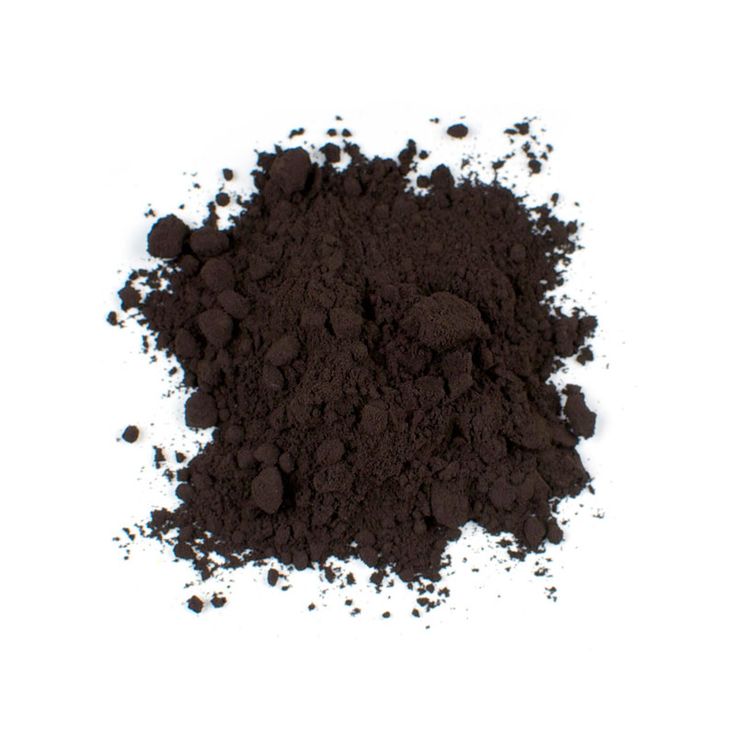
A concept such as Sensory Impact per Gram can be useful for explaining the principle, but in practical formulation work, a sensory response curve can provide research and development teams with more detailed information.
In this type of evaluation, different dosages of a cocoa powder are tested within a fixed formulation, and the resulting sensory responses are measured.
As the dosage increases, flavour intensity may initially rise rapidly. However, after reaching a certain level, adding more cocoa powder may no longer produce a significant change in perception. This point can be highly relevant from a formulation perspective.
When increasing the dosage produces diminishing sensory returns, additional cocoa powder may be used at higher levels while generating only a limited increase in perceived flavour intensity.
If another powder can perform more effectively within the relevant dosage range, it may create an opportunity to reduce the amount used. This is where the term high-intensity cocoa powder takes on a more technical meaning.
The question is not simply whether a powder is “stronger.” What matters is whether it can deliver an appropriate sensory return at the dosage range relevant to the application.
What Determines the Flavour Intensity of Cocoa Powder?
Final flavour intensity is not the result of a single characteristic.
Bean origin, fermentation, roasting, processing, the degree of alkalisation, and the chemical and physical properties of the powder all contribute to the development of its sensory profile.
The Dutching or alkalisation process can also influence colour and sensory character. Depending on the processing conditions and the characteristics of the cocoa powder, alkalisation can deepen colour and modify flavour, often reducing perceived acidity and contributing to a different flavour profile.
How Can High Flavour and Colour Intensity Cocoa Powder Enable Lower Usage Levels?
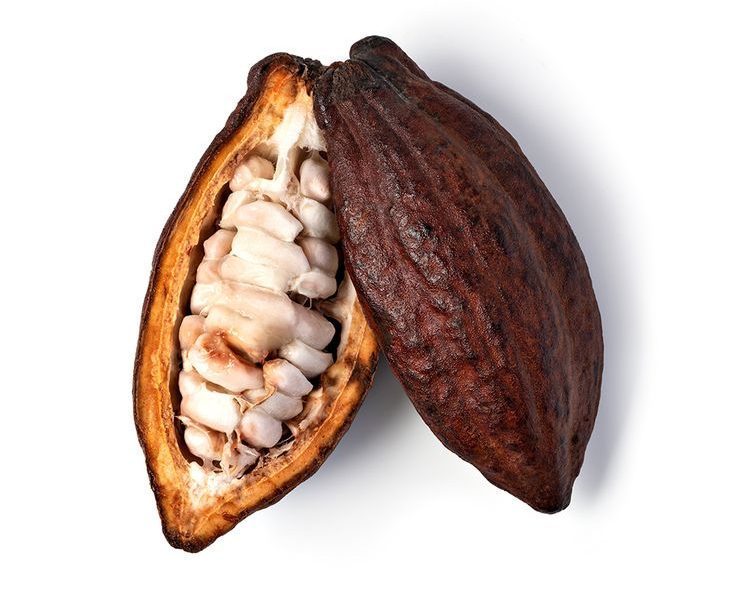
This type of cocoa powder may deliver the desired level of cocoa flavour and colour at a lower dosage. As a result, in some formulations, the amount of cocoa powder can potentially be reduced while maintaining the required sensory characteristics.
The extent of the reduction depends on the specific cocoa powder and the final application.

The Logic Behind High-Intensity Cocoa Powders: How Can Less Material Deliver More Sensory Impact?
When discussing high-intensity cocoa powders, the concept is not simply about a powder having a “stronger” flavour.
The more important idea is a higher concentration of sensory characteristics that contribute to the desired product experience, allowing a smaller quantity of the ingredient to reach the required level of flavour and sensory performance within a specific formulation.
For this reason, two cocoa powders used at the same percentage do not necessarily create the same sensory experience.
One powder may deliver a more pronounced cocoa flavour at a relatively low dosage, while another may require a higher dosage to reach the same perceived intensity.
High Intensity Should Not Be Confused with Bitterness or Harshness
A high-intensity cocoa powder can deliver a deep and distinctive cocoa flavour without necessarily disrupting the balance of the product through excessive bitterness or undesirable flavour notes.
The objective of these powders is to increase sensory efficiency: using each gram of the ingredient more effectively to create the experience required by the formulation.
From this perspective, cocoa powder selection shifts from being a decision based primarily on technical specifications to one based increasingly on functional and sensory performance.
How Can You Determine Whether a Cocoa Powder Truly Has High Flavour Intensity?
Flavour intensity cannot be determined solely by looking at colour, fat content, or other technical specifications.
The most reliable approach is to compare the cocoa powder within a specific formulation and at several dosage levels, evaluating flavour intensity, colour, aroma, and mouthfeel against a reference sample.
The Performance of High Flavour and Colour Intensity Cocoa Powder Is Not the Same Across Applications
The same cocoa powder can behave very differently in different products.
In a brownie, the objective may be to achieve a combination of deep cocoa flavour, dark colour, and a moist texture.
In a biscuit, flavour intensity must interact with the product’s relatively dry structure and texture.
In beverages, the cocoa powder must perform not only in terms of flavour but also in dispersion, mouthfeel, and stability within the beverage system.
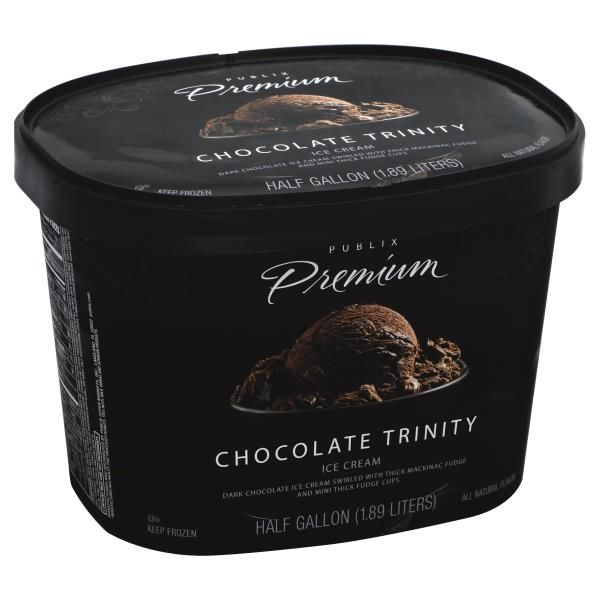
In ice cream and dairy products, fat content and serving temperature can play a greater role in flavour and texture perception.
For this reason, a cocoa powder with high flavour and colour intensity cannot be described as the best choice for every application without practical testing. Powder selection should begin with the application itself.
Why Does the Extent of Cocoa Powder Reduction Depend on the Product Type?
A cocoa powder with high flavor and color intensity does not provide the same level of “savings” across all products. The amount of cocoa powder that can be reduced without a detectable sensory loss depends on the product structure, fat and sugar content, moisture, baking process, and the role cocoa plays in the product.
Kerry reports a maximum reduction of “up to 50%” and states that internal evaluations showed that, in common bakery formats, this reduction can be achieved “without a noticeable sensory difference in tasting panels.” It also specifies that reducing cocoa powder can affect “chocolate aroma intensity, bitterness, body, and the persistence of chocolate character,” which are exactly the dimensions discussed in the “sensory impact per gram” section.
Brownies: Why Is There More Room for Reduction?
Brownies have three characteristics that all favor dose reduction.
First, high fat content. Fat is the primary solvent for cocoa aroma compounds, including pyrazines, aldehydes, and esters. When fat is present at a high level, these compounds dissolve into the matrix and are gradually released in the mouth. The result is a more persistent and “richer” flavor with a lower amount of powder. In other words, in brownies, each gram of powder delivers a higher aroma yield.
Second, high sugar content. Sugar masks the bitterness and astringency of cocoa’s phenolic compounds, allowing a high-intensity powder, which typically has more pronounced flavor notes, to be used without disrupting the overall balance.
Third, a dense and moist structure. Brownies have limited volume expansion and retain relatively high moisture. In such a structure, color appears more uniformly throughout the surface and interior, while air, which can lighten and dilute color, plays a smaller role. As a result, the desired dark color can be achieved with a lower dose. In addition, many brownies contain other cocoa sources, such as melted chocolate and chocolate chips, which carry part of the flavor load and reduce the formulation’s reliance on cocoa
Biscuits: Why Is There Less Room for Reduction and More Sensitivity?
Biscuits are the opposite of brownies in all three respects.
Fat and sugar levels are lower, and final moisture is typically below 5%. In such a dry matrix, cocoa aroma compounds have less of a carrier and are perceived more “directly”; bitterness and astringency are less masked, and any change in the type or dose of cocoa powder reaches the palate more directly. This is what Kerry describes as “small changes, big sensory impact.”
Color also behaves differently. Biscuits are thin, and their surface is exposed to high temperatures, where Maillard browning and caramelization occur. The final color is a combination of cocoa color and baking color, and in practice, the difference between two powder doses becomes visible on the biscuit surface sooner than in the interior of a brownie.
Cocoa powder also plays a structural role in biscuit dough: it absorbs water and affects dough spread in the oven and final brittleness. Reducing the dose changes this balance and may cause the texture to move out of control without readjusting the flour or fat. Therefore, in biscuits, reducing the cocoa powder dose is usually a complete reformulation project rather than a simple substitution.
Cakes and Muffins: The Middle Ground
Cakes and muffins are aerated products.
Air bubbles make the color lighter and dilute the flavor, so achieving a similar color and flavor to a brownie generally requires a higher proportion of cocoa powder. On the other hand, these products usually contain enough fat and sugar to carry aroma and mask bitterness, making them more flexible than biscuits.
One important variable in this category is pH. Alkalized cocoa powders (Dutch process) have a higher pH and react differently with baking soda and baking powder. Reducing the dose of alkalized powder shifts the pH of the batter and can affect volume, crumb color, and even flavor. In cakes, “dose reduction” and “leavening system adjustment” usually need to be carried out together.
Because muffins are denser and have higher moisture than sponge cakes, they are closer to brownies. This is why Kerry classifies them as “medium to high.”
Beyond Bakery: Beverages and Dairy
In milk-based beverages and instant powders, milk proteins interact with cocoa phenolic compounds and soften bitterness. However, water and milk strongly dilute color. In these systems, color is often the determining factor for dosage, and a powder with high color intensity has the greatest impact. In addition, dispersibility and suspension stability are independent limitations that are not related to flavor intensity.
In ice cream and dairy desserts, the low consumption temperature reduces the perception of aroma and sweetness. High fat content helps carry aroma, but cold partially offsets this advantage. As a resul
The Concept of Perceptible Sensory Loss
For the industry, this distinction is particularly important.
The objective of successful reformulation is not necessarily to create two products that are analytically identical. The objective may instead be to ensure that any difference created by the reformulation is not perceptible to the target consumer or does not exceed the acceptable sensory range of the product.
As a result, dosage reduction becomes meaningful only when it is supported by sensory evaluation.
This is the point at which formulation development moves beyond calculations on paper and into real product testing.
Why Can a High-Intensity Cocoa Powder Perform Better in One Product Than Another?
Flavour intensity is not evaluated in isolation.
Sugar, fat, protein, water, other flavouring ingredients, processing conditions, and product structure can all influence cocoa perception.
For this reason, the performance of a cocoa powder should always be evaluated within its actual application.
Reducing Cocoa Usage
Recent industry developments have also introduced examples of products designed with reduced dependence on conventional cocoa ingredients.
Cargill, in collaboration with Voyage Foods, has developed the NextCoa solution, while Barry Callebaut has collaborated with Planet A Foods on cocoa-free alternatives.
In these products, the objective is no longer to increase the efficiency of an existing cocoa powder. Instead, the goal is to recreate a chocolate-like sensory experience through a different architecture of raw materials.
These technologies demonstrate that the industry is exploring different levels of dependence on cocoa.
However, for many existing products, improving the performance obtained from the cocoa powder already used may remain the most straightforward starting point for reformulation. The gap between an existing product and a reformulated version is often smaller when the process begins with improving the efficiency of the existing cocoa ingredient rather than completely redesigning the product.
The Future of the Cocoa Market: Moving from Raw Material Quantity to Raw Material Efficiency
The cocoa market is gradually moving away from a simplified view of raw materials, in which the value of a cocoa powder is assessed primarily through price, technical specifications, and the amount used in a formulation.
New pressures on the supply chain are encouraging manufacturers to think more carefully about how much performance they can obtain from every unit of raw material.
This shift in perspective could also change the way cocoa powders are selected.
The future of the market may therefore not be defined solely by reducing cocoa consumption. It may increasingly focus on improving the efficiency of the cocoa that is used.
High-intensity cocoa powders represent one of the earliest examples of this shift.
In the next stages, it is possible to expect the development of new combinations of raw materials, reduced-cocoa formulations, and alternative solutions based on the same underlying principle: achieving the desired product experience through more efficient use of available resources.
From this perspective, future competition between cocoa powders may become less focused on the quantity required in a formulation and more focused on the sensory and functional performance delivered by each unit of raw material.