Where Does Cocoa Flavor Come From, and Where Do Complementary Ingredients Act?
What consumers perceive as “chocolate flavor” is made up of three layers: taste (bitterness, sweetness, acidity), the aroma of volatile compounds, and mouthfeel such as astringency. A complementary ingredient added to a formulation usually affects only one of these layers. Therefore, enhancing cocoa flavor is not a single decision; before selecting an ingredient, it is necessary to determine which layer is the target.
Cocoa Aroma: The Result of Fermentation and Roasting
The aromatic profile of cocoa is shaped before it reaches the chocolate factory. During fermentation, free amino acids, peptides, and reducing sugars are produced. During roasting, these compounds undergo Maillard reactions and Strecker degradation. The result is the formation of pyrazines and aldehydes that contribute to roasted, nutty, malty, and some fruity notes. Mohamadi Alasti et al., in a step-by-step study of cocoa powder production, showed that the proportion of tetramethylpyrazine increased from 0.5% in raw beans to 2.69% in the final powder, while benzaldehyde increased from 0.38% to 4.67%.
Why is coffee added to chocolate?
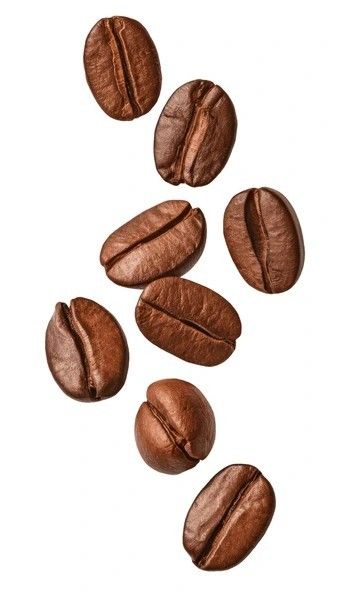
Coffee and cocoa share pyrazines produced during roasting. A small amount of coffee can enhance cocoa’s roasted notes without making coffee itself perceptible. At higher dosages, coffee-specific compounds such as 2-furfurylthiol become dominant.
Cocoa Bitterness and Astringency: Four Groups of Compounds
Cocoa bitterness is not limited to theobromine and caffeine. Stark, Bareuther, and Hofmann, using a sensory-directed fractionation approach on roasted cocoa nibs, showed that bitter diketopiperazines and flavan-3-ols, together with these methylxanthines, are major contributors to the bitterness and astringency of roasted cocoa. The intensity of each group depends on the cocoa variety, fermentation, and roasting conditions.
Coffee: Aromatic Overlap with Cocoa’s Roasted Notes
Which Part of Cocoa Flavor Does Coffee Enhance?
The effect of coffee is concentrated on the roasted, nutty, and bitter aspects of the cocoa profile. At a low dosage, shared pyrazines enhance the roasted notes without coffee being perceived as a separate flavor. As the dosage increases, coffee-specific compounds such as 2-furfurylthiol exceed their sensory threshold, and the product shifts in identity from “more chocolatey” to “coffee-like.”
When selecting coffee, consider three variables simultaneously: the degree of coffee roasting, the intensity of cocoa roasting, and dosage. Dark-roasted coffee combined with mild cocoa can introduce smoky and burnt notes into the profile.
Vanilla: Modulating the Perception of Sweetness and Bitterness
Vanillin, the primary aroma compound in vanilla, does not itself taste sweet, but it increases the perception of sweetness. This phenomenon is known as “odor-induced sweetness enhancement” and results from a learned association between an aroma and a sweet taste. Hopfer et al. modeled combinations of sucrose, vanillin, and cocoa powder in chocolate milk. Interactions between sucrose-vanillin and sucrose-cocoa contributed substantially to sweetness, bitterness, and chocolate flavor scores, while some combinations showed simultaneous sweetness enhancement and bitterness reduction.
Which Characteristics Does Vanilla Change?
Vanilla does not increase the amount of cocoa aroma compounds. Its effects are seen in three areas: perceived sweetness, perceived bitterness, and the overall intensity of chocolate flavor. From this perspective, vanilla is a sensory modulator rather than a direct enhancer of cocoa aroma.
Vanillin is lipophilic and distributes into the fat phase. Any change in the fat content of the formulation can therefore alter the effective dosage of vanillin and requires reevaluation.

Salt: Reducing Bitterness at the Receptor Level
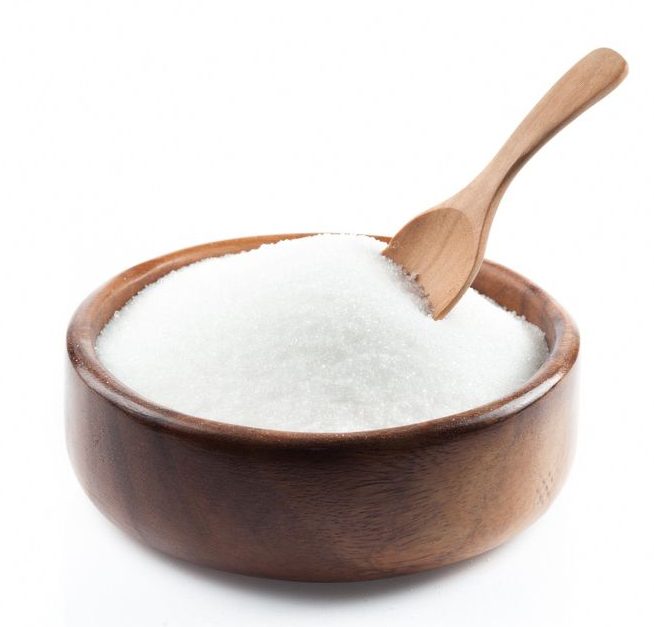
Salt is a clear example of the difference between “increasing a flavor” and “changing the perception of a flavor.” A small amount of sodium chloride does not increase cocoa aroma; its primary effect is reducing bitterness. Keast, Breslin, and Beauchamp showed that sodium ions suppress bitterness at the oral and receptor level, rather than through a cognitive interaction between saltiness and bitterness. This effect depends on the type of bitter compound. In bitter-sweet mixtures, reducing bitterness with sodium can increase perceived sweetness.
Why Does Reducing Bitterness Make Chocolate Flavor More Noticeable?
Bitterness and sweetness suppress each other in a mixture. When salt inhibits part of the bitterness, sweetness is released from this suppression, while cocoa aroma notes also contribute more strongly to the final perception. Therefore, the enhancement of cocoa flavor by salt is an indirect perceptual effect.
Caramel: Maillard-Derived Compounds Related to Cocoa
Which Part of the Chocolate Profile Does Caramel Enhance?
Caramel has the greatest alignment with caramel-like, toasted, roasted, sweet, and warm notes. This choice is particularly relevant for cocoa that already has roasted and caramel-like notes. If the cocoa profile is delicate and fruity, excessive caramel can shift it toward cooked-sugar notes and mask the fruity characteristics.
Caramel quality also matters. A colored sugar syrup that has not undergone Maillard reactions mainly contributes sweetness and can dilute the cocoa profile.
Brown Sugar: Sweetness Along with Molasses Aroma
Brown sugar has two separate effects, neither of which is a direct increase in cocoa aroma:
- Changing the aroma profile: through compounds associated with molasses that create a warm, caramel-like background.
- Changing the sweetness-bitterness balance: sweetness masks bitterness, and reducing sugar removes part of this masking effect.
Dairy and Fat: Changing the Matrix and Cocoa Perception
Milk Proteins and Cocoa Polyphenols
Does salt enhance chocolate flavor?
Salt does not add cocoa aroma, but sodium ions reduce bitterness at the receptor level. As bitterness decreases, sweetness and cocoa aroma notes become more noticeable. The optimal level should remain below the threshold of perceived saltiness and should be determined through stepwise sensory evaluation.
Nuts: Overlap Between Nutty and Roasted Notes
Roasting nuts, like cocoa roasting, produces pyrazines and Maillard reaction products. In hazelnuts, in addition to these compounds, filbertone (5-methyl-(E)-2-hepten-4-one) contributes a characteristic nutty and roasted hazelnut note.
Hazelnut, Almond, and Pistachio from a Sensory Perspective
Roasted hazelnut has the greatest overlap with cocoa containing roasted and nutty notes and enhances that part of the profile. Pistachio and almond have more independent profiles and mainly introduce a fresh aromatic layer.
Fruits: Sensory Contrast Rather Than Overlap
The purpose of combining fruit with cocoa is generally not aromatic overlap. The contrast between fruit acidity and cocoa bitterness can make the characteristics of both components more distinct.
Orange
Orange contributes a citrus aroma, with limonene as a major component, as well as citric acidity. In dark chocolate, this acidity contrasts with bitterness and roasted notes, making both groups of characteristics more distinguishable.
Cherry and Sour Cherry
Cherry introduces a combination of sweetness, acidity, and fruity aroma. A lesser-known point is that benzaldehyde, a characteristic compound associated with the aroma of bitter almond and cherry, also increases significantly during cocoa powder processing. Cherry therefore provides not only acidic contrast but also some aromatic overlap with cocoa.
Berries
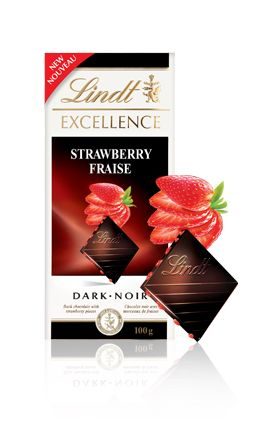
Strawberry, raspberry, and other berries act mainly through acidity and fruity aroma. Controlling acidity is particularly important in this group. If the cocoa powder itself has high acidity, adding a highly acidic ingredient can make sourness dominant.
Spices: Increasing Complexity Rather Than Intensity
Spices contain highly distinctive volatile compounds, and their main effect is usually to add a new aromatic layer rather than enhance the existing cocoa aroma.
- Cinnamon: Cinnamaldehyde creates a warm, sweet, and spicy note that aligns with the caramel and roasted notes of cocoa. Its primary effect is increasing aromatic complexity.
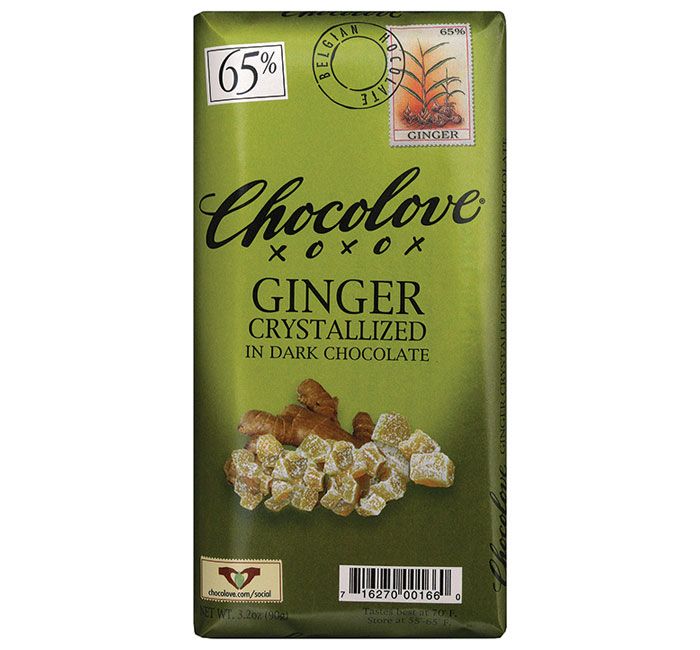
- Ginger: Gingerols and shogaols create not only aroma but also a warming and pungent sensation, acting through contrast with sweetness and bitterness. Its dosage must be carefully controlled in a classic chocolate profile.
- Cardamom: 1,8-cineole and α-terpinyl acetate create a cool and aromatic profile that shifts the product from classic chocolate toward a more aromatic profile.
Does Increasing Cocoa Powder Always Produce a Stronger Chocolate Flavor?
Not necessarily. Cocoa powder contains not only aroma compounds but also diketopiperazines, methylxanthines, and flavan-3-ols that contribute bitterness and astringency. Increasing the powder dosage therefore increases these characteristics alongside cocoa flavor.
If the problem is a lack of roasted notes, increasing cocoa powder also increases bitterness and astringency. A complementary ingredient with appropriate aromatic overlap, such as a small amount of coffee or roasted hazelnut, can target the same note with less change to other characteristics. Selecting a cocoa powder grade with higher flavor intensity is another option, discussed in the article High-Intensity Dark Cocoa Powder.
Cocoa Powder Characteristics and Selection of a Complementary Ingredient
No complementary ingredient can be selected independently of the cocoa’s own profile. Two cocoa powders may differ in color, acidity, roasting intensity, and flavor profile, and therefore may not respond to the same complementary ingredient in the same way.
Lighter Cocoa Powder with Acidity and Fruity Notes
A cocoa powder with a lighter brown color, noticeable acidity, and fruity notes will generally also show greater bitterness and astringency. When working with such a powder, adding acidic fruit should be approached carefully because it can raise sourness excessively. Salt, vanillin, and sweet ingredients have the greatest effect in this type of powder.
Dark Cocoa Powder with Deep Roasted and Chocolate Notes
A cocoa powder with a dark color, low acidity, and pronounced roasted and deep chocolate notes already contains the characteristics that coffee, caramel, and roasted hazelnut enhance. Aromatic overlap therefore provides the greatest potential in this type of powder. Its lower bitterness and astringency also leave greater sensory capacity for dairy ingredients and vanilla.
Four Mechanisms Through Which Raw Materials Affect Cocoa Flavor
Example | Definition | Mechanism |
Coffee, caramel, roasted hazelnut | The complementary ingredient contains volatile compounds from the same or related families as cocoa | Aromatic overlap |
Salt, vanillin, sugar | Perception of sweetness or bitterness changes | Taste perception modulation |
Milk fat, milk protein | Fat and protein alter flavor release | Food matrix modification |
Orange, berries, ginger | Differences between the ingredient and cocoa make the characteristics of both more prominent | Sensory contrast |
Dosage: The Point Where Enhancement Becomes Dominance
The effect of every ingredient depends on concentration. At a low dosage, an ingredient changes the perception of cocoa; at a high dosage, it becomes the dominant characteristic.
Ingredient | Effect at Low Dosage | Effect at High Dosage |
Coffee | Enhances roasted notes | Coffee identity becomes dominant |
Vanilla | Modulates sweetness and bitterness | Vanilla note becomes dominant |
Salt | Reduces bitterness | Saltiness emerges |
Caramel | Overlaps with roasted and caramel notes | Cooked-sugar profile |
Fruit | Creates acidic contrast | Balance is disrupted by sourness |
Spice | Increases complexity | Cocoa aroma becomes overshadowed |
Conclusion
The answer to “which ingredient enhances cocoa flavor?” depends on the mechanism involved. Coffee, caramel, and roasted hazelnut highlight roasted notes through Maillard-derived compounds that overlap with cocoa. Salt reduces bitterness at the receptor level. Vanilla and sugar shift the balance between sweetness and bitterness. Dairy ingredients reduce bitterness and astringency but can also lower cocoa intensity. Fruits work through acidic contrast, while spices add a new aromatic layer.