Why Has Cocoa Flavor Pairing Become a Competitive Advantage in Product Development?
Over the past decade, consumer expectations in the food industry have evolved significantly. Product quality and price are no longer the only factors influencing purchasing decisions. Today, sensory experience, originality, and the ability to create memorable consumption moments have become essential drivers of product success.
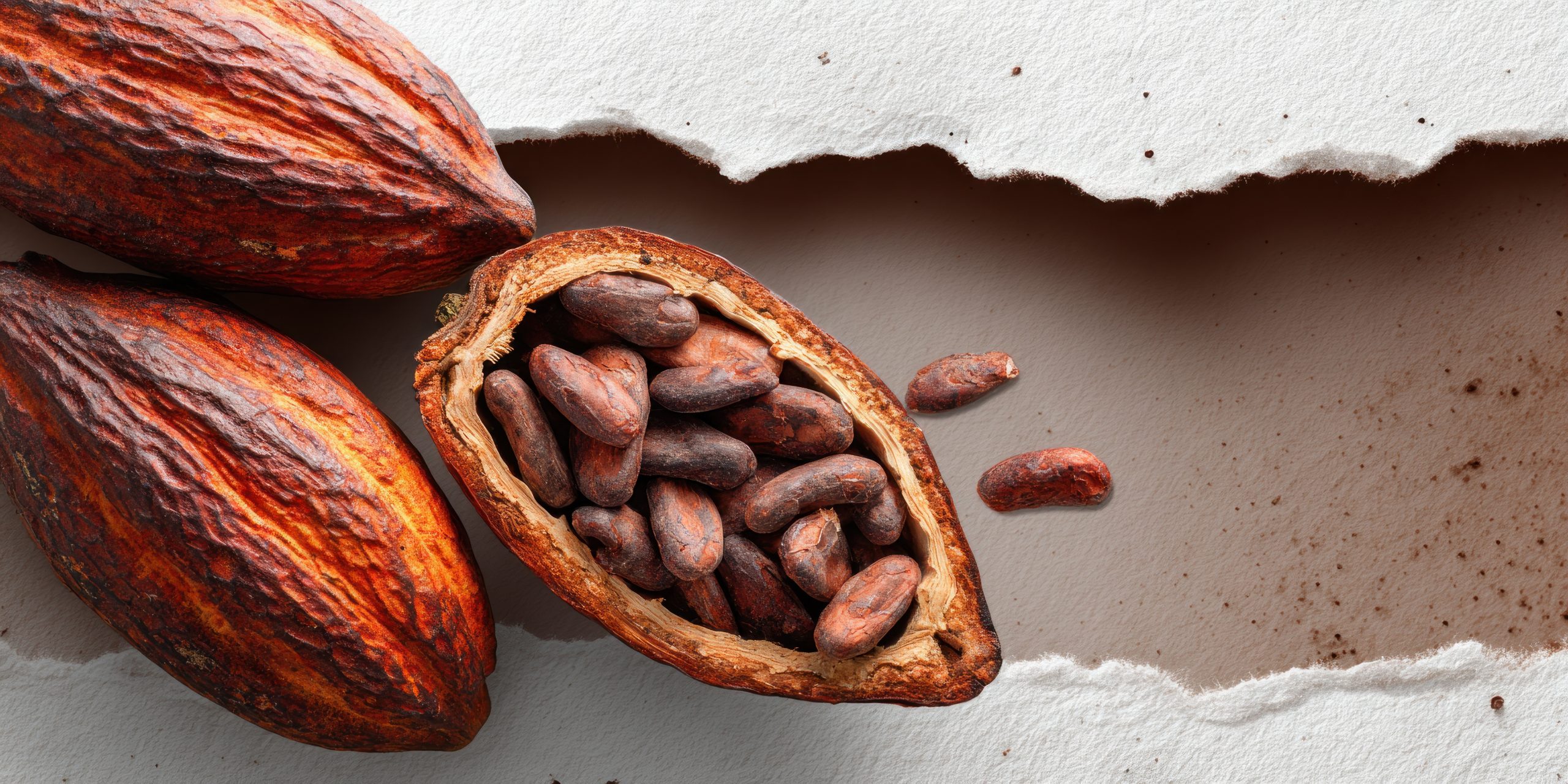
With its naturally complex flavor profile, cocoa has become one of the most versatile ingredients for food innovation. Beyond its familiar chocolate character, cocoa contains a wide range of sensory notes, including roasted, caramelized, fruity, nutty, floral, and spicy nuances. These characteristics make cocoa an ideal foundation for Cocoa Flavor Pairing strategies aimed at creating unique and sophisticated product experiences.
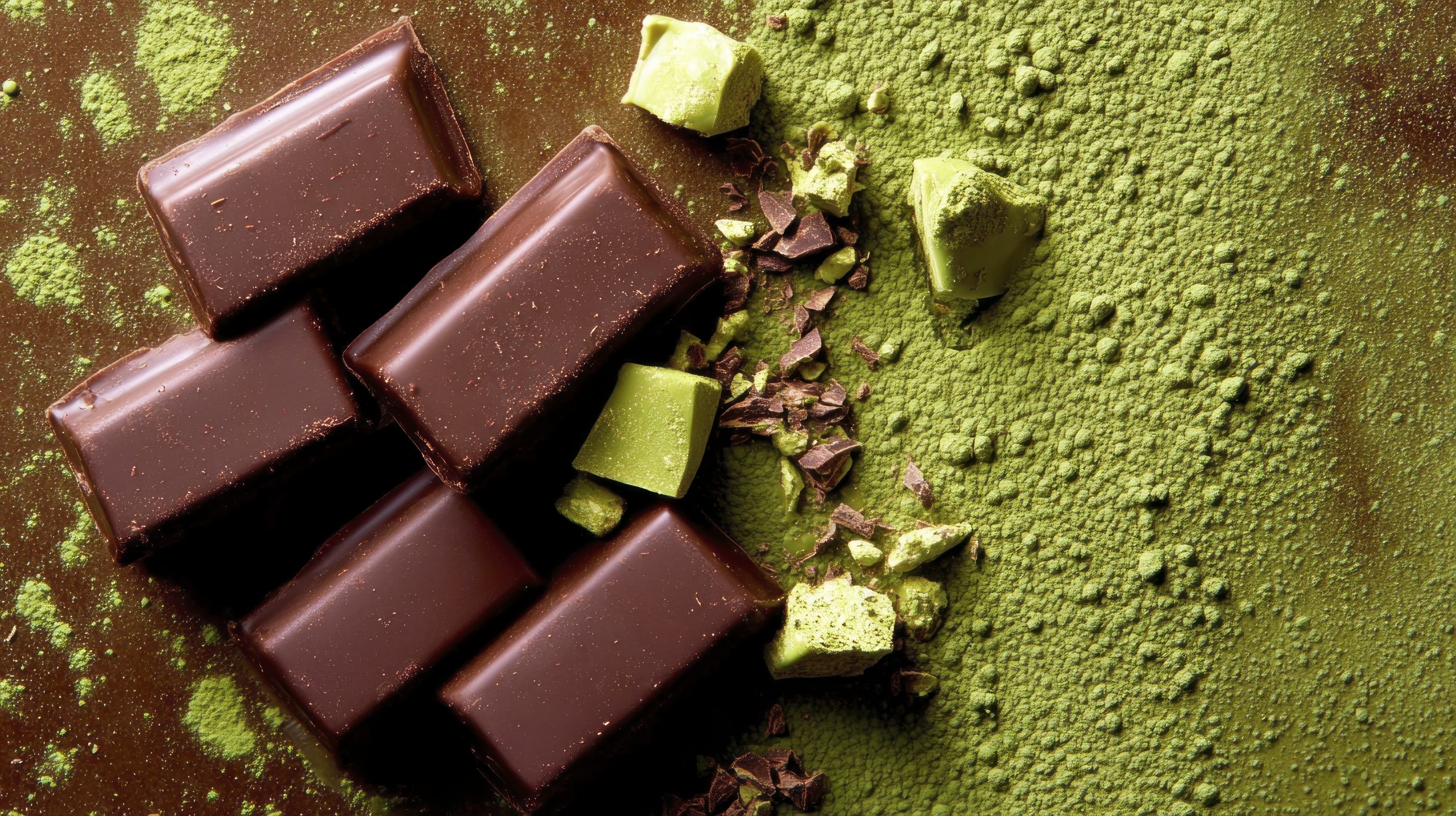
Traditionally, classic combinations such as cocoa with milk, vanilla, and hazelnut have dominated the confectionery market. However, modern product developers are increasingly exploring advanced Cocoa Flavor Pairing approaches by combining cocoa with citrus fruits, specialty coffee, warm spices, aromatic herbs, fermented notes, and botanical extracts to develop premium and differentiated cocoa-based products.
Nevertheless, successful Cocoa Flavor Pairing involves much more than simply adding a new flavor. A well-designed flavor system must achieve a balance between flavor intensity, aromatic harmony, mouthfeel, processing stability, shelf-life performance, and consumer acceptance.

Barry Callebaut : Lasting Taste, Trusted Innovation
Trusted Partner in The Product Lines of Leading Brands
- Business partner
Understanding Flavor Families that Complement Cocoa: From Fruity Notes to Warm and Sweet Aromas
Selecting flavors that complement cocoa requires a deep understanding of sensory characteristics and flavor interactions. Cocoa Flavor Pairing is based on identifying complementary flavor families that can enhance cocoa’s natural roasted, nutty, fruity, and caramelized notes or create a balanced contrast for a more distinctive sensory experience.
Rather than choosing flavors based only on their individual appeal, product developers use a systematic Cocoa Flavor Pairing approach to design integrated flavor systems that deliver aromatic harmony, balanced intensity, improved mouthfeel, and stronger consumer acceptance.
Fruity Flavors: Balancing Freshness with Cocoa’s Richness
Fruit flavors remain one of the most successful approaches to cocoa product innovation. Citrus fruits, raspberries, cherries, strawberries, cranberries, and tropical fruits introduce freshness and acidity that balance cocoa’s rich roasted character. A classic example is the combination of dark chocolate and orange, where citrus aroma compounds brighten the overall flavor profile and reduce the perception of heaviness. In cocoa beverages, fruity notes can also create lighter and more refreshing products. From a formulation perspective, however, developers must carefully consider aroma stability, acidity, interactions with dairy proteins, heat processing, and shelf-life performance to ensure a consistent sensory profile.
Spicy Flavors: Adding Complexity and Character
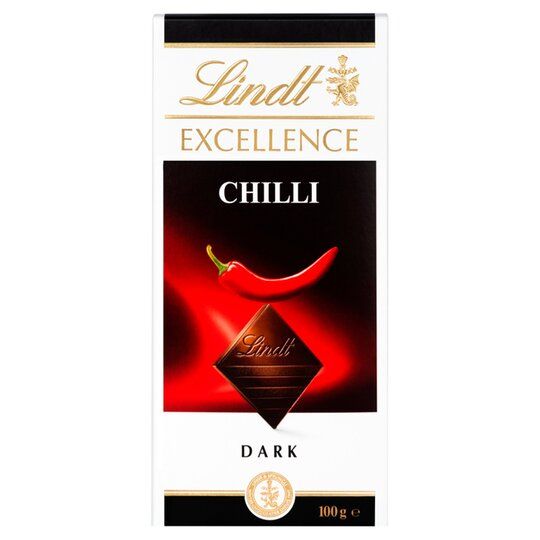
Spices offer another effective route to flavor innovation by adding depth without overshadowing cocoa’s identity. Ingredients such as cinnamon, chili, ginger, cardamom, and aromatic peppers have become increasingly popular in premium chocolate products. When properly balanced, spices enhance cocoa’s roasted notes and create a more layered tasting experience. For instance, chili provides a gentle heat that complements cocoa’s bitterness and delivers a memorable sensory contrast.
Dairy and Creamy Flavors
Milk, cream, butter, and vanilla have long been among cocoa’s most compatible flavor partners. Besides contributing sweetness and richness, dairy ingredients improve mouthfeel by softening bitterness and creating a smoother sensory experience. This explains their widespread use in chocolate milk, ice cream, puddings, and other dairy desserts. As plant-based products continue to gain popularity, developers are reformulating these flavor systems using alternatives such as oat, almond, or coconut beverages, each of which influences flavor release and consumer perception differently.
Caramel and Sweet Notes
Caramel naturally complements cocoa through its buttery, sweet, and lightly roasted character, reinforcing chocolate’s inherent aromatic complexity. This pairing is especially common in premium confectionery, where consumers expect a rich and indulgent flavor experience. Modern product development, however, increasingly focuses on achieving sensory balance through intelligent flavor design rather than simply increasing sugar levels to mask bitterness.
What flavors pair best with cocoa?
Vanilla, caramel, coffee, hazelnut, citrus fruits, red berries, and warm spices are among the most successful flavor pairings with cocoa. However, the optimal choice depends on the product category, cocoa powder type, and the intended sensory profile.
The Role of Flavor Chemistry in Cocoa Pairing
Cocoa contains hundreds of volatile compounds that contribute to its distinctive aroma and taste. Among the most important are pyrazines, aldehydes, esters, and phenolic compounds, each responsible for sensory notes such as roasted, nutty, fruity, floral, and earthy characteristics. Understanding these compounds enables food scientists to select flavors that interact harmoniously with cocoa rather than compete against it.
Roasted flavor compounds naturally complement coffee and nut-based flavors, while fruity notes introduce freshness and brightness that can balance the richness of dark chocolate. Buttery and caramel-like flavors enhance sweetness perception and create a smoother sensory profile. Ultimately, successful flavor pairing is achieved when complementary ingredients work together to enhance cocoa’s inherent complexity instead of masking it.
How Cocoa Powder Type Influences Flavor Selection
Not all cocoa powders deliver the same sensory experience, making cocoa selection an essential part of flavor design. Factors such as cocoa bean origin, fermentation, roasting conditions, fat content, and alkalization significantly influence the final flavor profile.
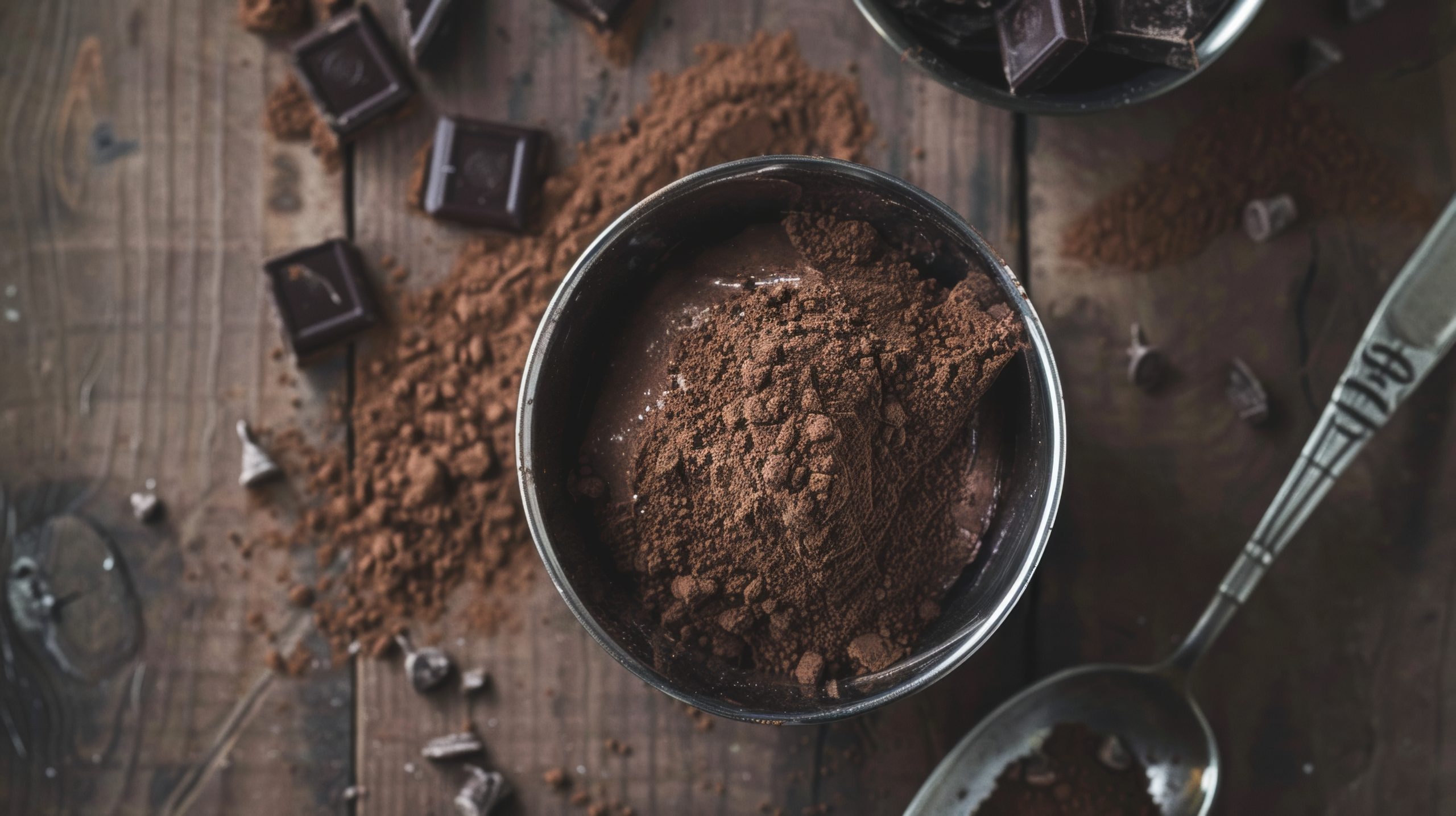
Alkalized (Dutch-processed) cocoa powders generally exhibit a darker color, lower acidity, a more intense chocolate flavor, and reduced bitterness. These characteristics make them particularly suitable for chocolate beverages, cakes, bakery products, and desserts that require a deep, rich cocoa profile.
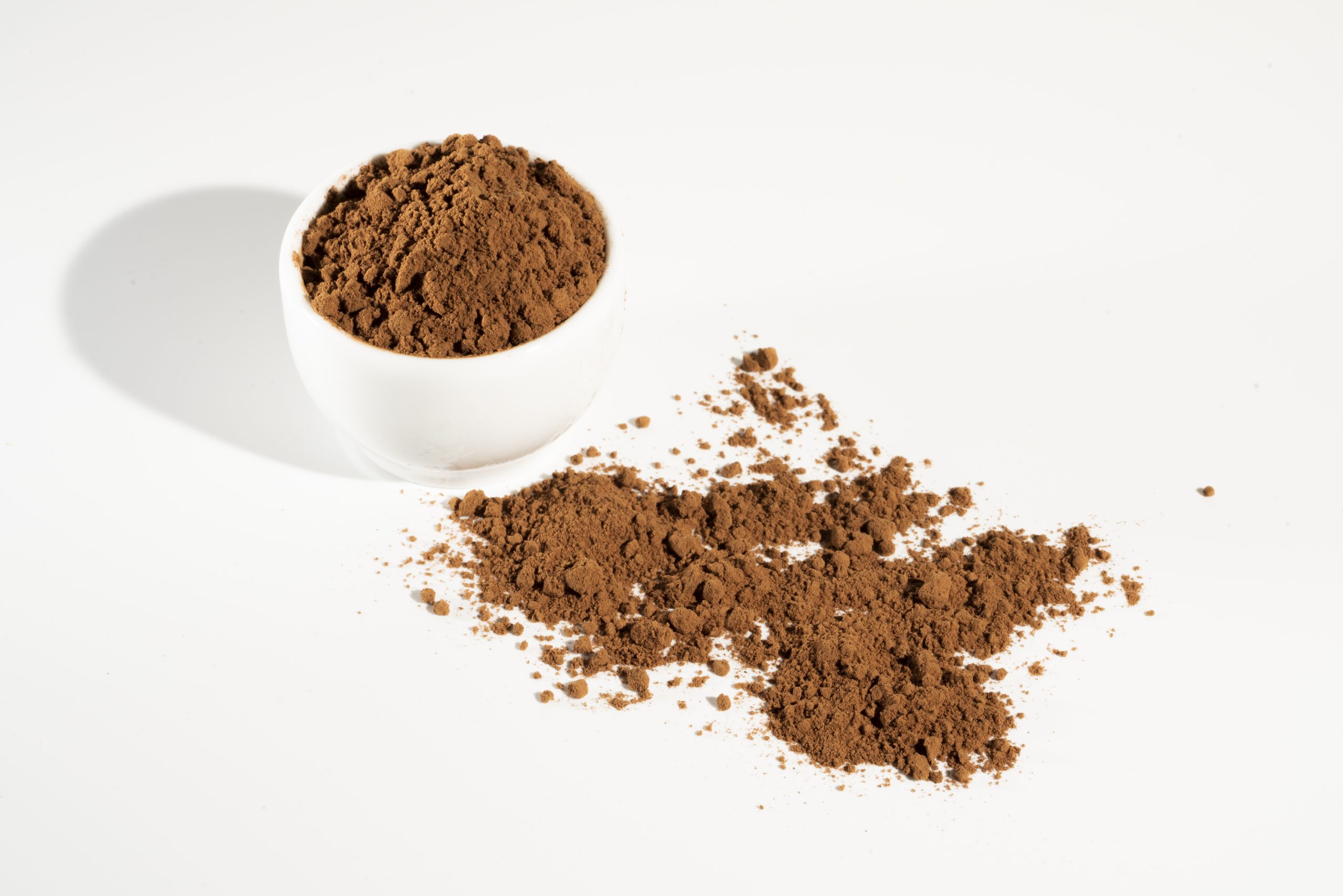
Natural cocoa powder, on the other hand, retains higher acidity and brighter flavor notes, allowing it to pair more effectively with citrus fruits, berries, and other fruit-forward flavors. Because the sensory characteristics of cocoa define the foundation of the final product, flavor selection should always be considered alongside the choice of cocoa powder rather than as a separate formulation step.
Technological Challenges in Developing New Cocoa Flavor Systems
Although innovative flavor concepts can appear promising during product ideation, transforming them into commercially successful products requires overcoming several formulation challenges. The food matrix itself strongly influences flavor perception. A flavor that performs well in a laboratory prototype may behave very differently once incorporated into a formulation containing dairy proteins, fats, sugars, emulsifiers, or stabilizers.
Processing conditions further complicate flavor performance. Heat treatment, oxygen exposure, storage conditions, and processing time can reduce the concentration of volatile aroma compounds or alter the overall sensory profile. Consequently, formulators must carefully consider flavor stability, the timing of flavor addition, and aroma protection technologies throughout product development.
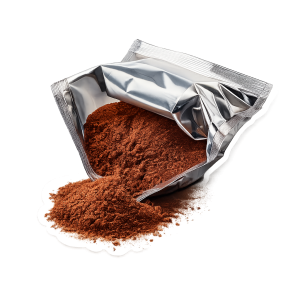
Cocoa Powder Packaging
A Technical Guide to Selection, Standards, and Quality Preservation
How can the bitterness of cocoa be reduced in food products?
Bitterness can be managed through careful selection of cocoa powder, alkalization (Dutch processing), optimized sweetness, complementary flavor systems, and well-balanced product formulation.
Flavor Stability During Processing
Many aroma compounds are highly sensitive to processing conditions. Factors such as temperature, heat treatment time, oxygen exposure, and storage conditions can reduce flavor intensity or alter the overall sensory profile. For example, in UHT cocoa beverages and instant cocoa powders, certain volatile compounds may be lost during thermal processing. Consequently, selecting the appropriate flavoring system, determining the optimal point of flavor addition, and employing aroma protection technologies are essential for preserving flavor quality throughout production.
Scientific Principles for Selecting Complementary Flavors in Cocoa Formulation
Selecting the right flavors for Cocoa Flavor Pairing goes far beyond choosing an appealing aroma. In food product development, successful cocoa flavor systems must balance aromatic harmony, flavor intensity, mouthfeel, processing stability, shelf-life performance, and consumer acceptance. Instead of relying on a single flavor, formulators often combine multiple complementary notes to create a more complex and balanced sensory profile.
For example, a premium chocolate product can achieve greater depth through a carefully designed Cocoa Flavor Pairing system that combines coffee, caramel, and vanilla rather than using coffee alone. Coffee enhances cocoa’s roasted characteristics, caramel adds warmth and sweetness, while vanilla smooths the overall profile and creates a more rounded sensory experience. Together, these complementary flavors deliver a refined and memorable product experience that cannot be achieved through individual flavors alone.
Applications of Innovative Flavor Pairing in Cocoa-Based Products Cocoa Beverages
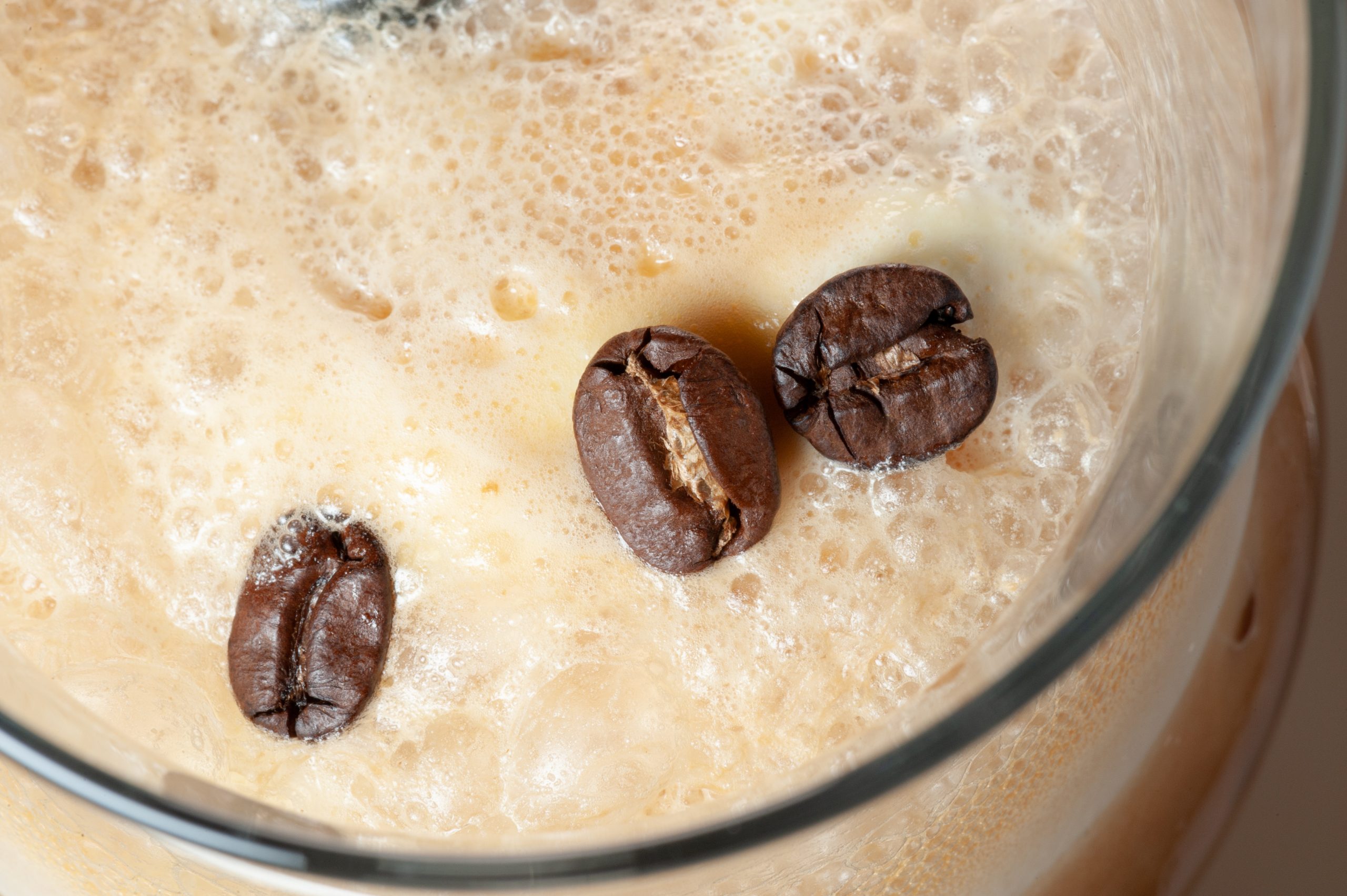
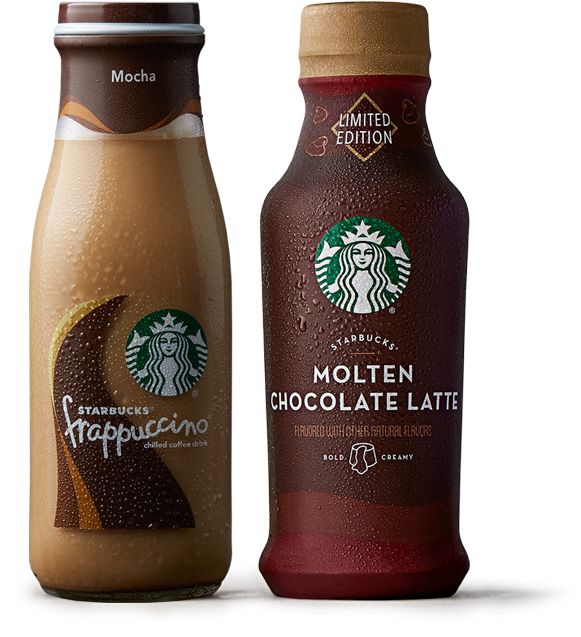
Cocoa beverages represent one of the largest application areas for cocoa powder, where balancing flavor, solubility, mouthfeel, and product stability is essential. Successful formulations often combine cocoa with complementary flavors that enhance its natural characteristics. Coffee reinforces roasted notes and adds depth, caramel contributes sweetness and indulgence, vanilla softens bitterness and creates a smoother profile, while hazelnut accentuates cocoa’s naturally nutty character. More recently, fruit and botanical flavors have become increasingly popular, particularly in health-oriented beverages and dairy-free formulations seeking lighter and more refreshing sensory profiles.
Does the type of cocoa powder influence flavor selection?
Yes. Characteristics such as pH, fat content, color intensity, bean origin, fermentation, and processing conditions significantly influence how cocoa interacts with other flavors. Therefore, flavor selection should always be considered alongside the choice of cocoa powder.
Dairy Products and Plant-Based Alternatives
Chocolate milk, ice cream, yogurt, and frozen desserts have long relied on integrated flavor systems that combine cocoa with dairy ingredients to create smooth and balanced sensory experiences. In these products, the objective extends beyond delivering a chocolate flavor; developers must also optimize sweetness, creaminess, texture, and mouthfeel.
The rapid expansion of plant-based products has introduced new formulation challenges. Reproducing the familiar creamy chocolate experience without dairy requires carefully selecting both ingredients and flavor systems. Oat, almond, coconut, and other plant-based matrices each influence aroma release and flavor perception differently, making formulation optimization essential for consumer acceptance.
Interactions Between Cocoa Fat and Flavor Compounds
Cocoa fat plays a crucial role in flavor release and perception. Many aroma compounds are fat-soluble, meaning their release during consumption depends on the product’s fat content and composition. In high-fat products such as premium chocolates or formulations rich in cocoa butter, flavor release tends to be slower, often resulting in a richer and longer-lasting aftertaste. Conversely, low-fat products, including instant cocoa beverages, typically require different flavor strategies to maintain flavor intensity and achieve the desired sensory impact.
The Influence of Proteins and Other Formulation Components
The food matrix significantly affects flavor perception. In dairy products, milk proteins can bind to certain volatile aroma compounds, reducing or modifying their perceived intensity. Likewise, sweetener type, sugar level, emulsifiers, stabilizers, and product pH all influence flavor release and the overall sensory experience. For this reason, developing a successful cocoa-based product generally requires multiple rounds of formulation optimization and sensory evaluation before commercialization.
Premium Chocolate and Experience-Driven Products
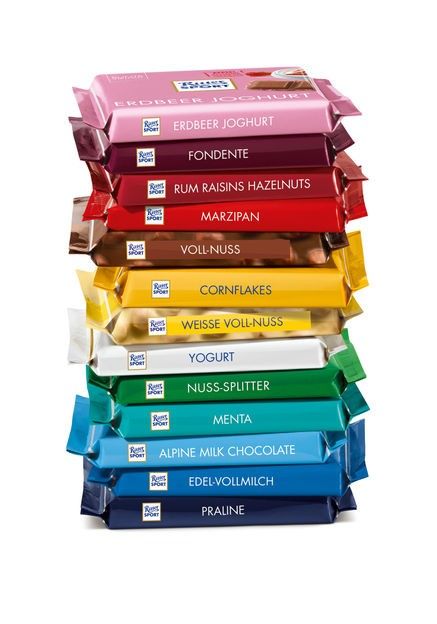
The premium chocolate segment has become one of the strongest drivers of flavor innovation. Consumers increasingly seek distinctive sensory experiences and are willing to pay more for products featuring unique flavor combinations and compelling product stories.
Popular examples include dark chocolate paired with sea salt, dried fruits, red berries, warm spices, coffee, and fermented flavor notes. Beyond flavor itself, the product narrative—including cocoa origin, fermentation practices, and artisanal processing—has become an integral part of the premium experience, adding perceived authenticity and value.
Sensory Considerations and Consumer Acceptance
A technically successful formulation does not automatically guarantee market success. Even when flavor compounds interact harmoniously and processing performance is satisfactory, the ultimate measure of success is consumer acceptance. Consequently, sensory evaluation plays a fundamental role throughout cocoa product development.
Sensory studies assess how consumers perceive attributes such as flavor intensity, sweetness, bitterness, mouthfeel, aroma, aftertaste, and overall liking. This is particularly important for cocoa products because consumers already possess strong expectations regarding chocolate flavor. Successful innovation therefore requires introducing novelty while preserving the recognizable sensory identity of cocoa.
For example, botanical or spice flavors may create an exciting concept, but if they dominate the cocoa character, overall consumer acceptance is likely to decline. The objective is not simply to create a different flavor, but to develop one that enhances the chocolate experience while remaining familiar and enjoyable.

The Evolution of Food Sensory Evaluation in the Food Industry
From Traditional Methods to Data-Driven Analytics
Flavor Intensity and Sensory Balance
Controlling flavor intensity remains one of the greatest challenges in cocoa product development. Consumers generally respond more positively to products in which no single flavor dominates the sensory profile. An ideal flavor journey begins with an inviting aroma, develops into a rich cocoa taste, and finishes with a pleasant, lingering aftertaste.
For this reason, increasing the dosage of a flavor ingredient does not necessarily improve product quality. In many cases, a carefully balanced flavor system using lower concentrations produces a more elegant, harmonious, and memorable sensory experience than an overly intense formulation.
Why do some flavor combinations succeed in the laboratory but fail in the marketplace?
Because commercial success depends on much more than chemical compatibility. Consumer expectations, sensory preferences, product positioning, packaging, pricing, and brand perception all influence whether an innovative cocoa product ultimately succeeds in the market.
Personalized Flavor Experiences: The Future of Cocoa Innovation
Personalized nutrition and customized sensory experiences are emerging trends across the food industry. Future cocoa products may be tailored according to consumers’ age, lifestyle, dietary preferences, and flavor expectations. As advances in flavor science, sensory research, and consumer analytics continue, manufacturers will be better equipped to develop cocoa products with increasingly personalized flavor profiles.
Conclusion
Innovative flavor pairing has become one of the most promising approaches to cocoa product development. Although cocoa possesses an inherently rich and complex sensory profile, combining it with carefully selected complementary flavors creates new opportunities for product differentiation and consumer engagement.
The future of cocoa innovation belongs to brands capable of balancing authenticity with creativity. True innovation is achieved not simply by introducing a new flavor, but by creating a memorable sensory experience that strengthens consumers’ emotional connection with the product.