
Chocolate ice cream has long been one of the world’s most popular desserts. Today, however, the definition of a “good ice cream” goes beyond sweetness and flavor alone. Modern consumers pay closer attention to factors such as cocoa quality, sugar levels, ingredient transparency and texture experience (mouthfeel) when choosing ice cream.
This shift in perspective has led to the emergence of a concept known as Chocolate 2.0, a trend that is reshaping the chocolate dessert industry.
In this new generation of chocolate products, the focus is no longer only on sweetness. Greater emphasis is placed on ingredient quality, balanced sweetness, functional formulation and a more refined sensory experience. As a result, creating a truly healthy chocolate ice cream is not simply about reducing sugar; it requires precise formulation and thoughtful texture engineering.
Scientific research also shows that ice cream structure is influenced by many variables, including sugar, fat, emulsifiers, stabilizers and even dietary fiber. These components directly affect viscosity, creaminess and mouthfeel. For this reason, successful healthy chocolate ice cream depends on achieving a smart balance between flavor, texture and functional ingredients.
In this article, we explore why healthy chocolate ice cream is becoming a major global dessert trend, what the Chocolate 2.0 movement really means, why texture and mouthfeel play a key role in the ice-cream eating experience and what consumers should look for when choosing a healthier chocolate dessert.

Barry Callebaut : Lasting Taste, Trusted Innovation
Trusted Partner in The Product Lines of Leading Brands
- Business partner
Why Has Healthy Chocolate Ice Cream Become So Popular ?
The growing popularity of healthy chocolate ice cream is closely linked to rising nutrition awareness and changing lifestyle choices in recent years. Many consumers no longer evaluate desserts solely by taste; they also consider sugar content, ingredient quality, nutritional value and the transparency of the ingredient list.
Under these conditions, ice creams that deliver rich chocolate flavor with less added sugar and cleaner ingredients are gaining attention. Advances in formulation technology also play an important role. Today, manufacturers can use higher-quality cocoa, plant-based milks and functional ingredients such as dietary fiber or protein to create ice creams that better align with healthier dietary patterns.
Together, these factors have turned healthy chocolate ice cream into one of the most important trends in the global dessert market; appealing to consumers who want indulgent chocolate flavor while still making mindful food choices.
Why Are Many Consumers Looking for Lower-Sugar Ice Cream ?
Concerns about excessive sugar consumption have become a major topic in modern nutrition discussions. Health organizations around the world recommend reducing added sugar intake because high consumption is associated with weight gain, metabolic disorders and blood sugar imbalance. As a result, many consumers actively seek desserts with lower sugar content while maintaining satisfying taste. In this context, the use of alternative sweeteners such as stevia, erythritol, and other low‑ or zero‑calorie sweeteners has gained significant attention, as these compounds can provide the desired sweetness with a much lower impact on blood glucose levels.
However, reducing sugar in ice cream presents a technical challenge. Sugar is not only responsible for sweetness; it also plays a critical role in freezing point control, texture development and the creamy consistency of ice cream. Therefore, creating successful low-sugar chocolate ice cream requires smart ingredient substitution and advanced formulation techniques that maintain both flavor balance and desirable texture.
How to Choose a Healthy Chocolate Ice Cream ?
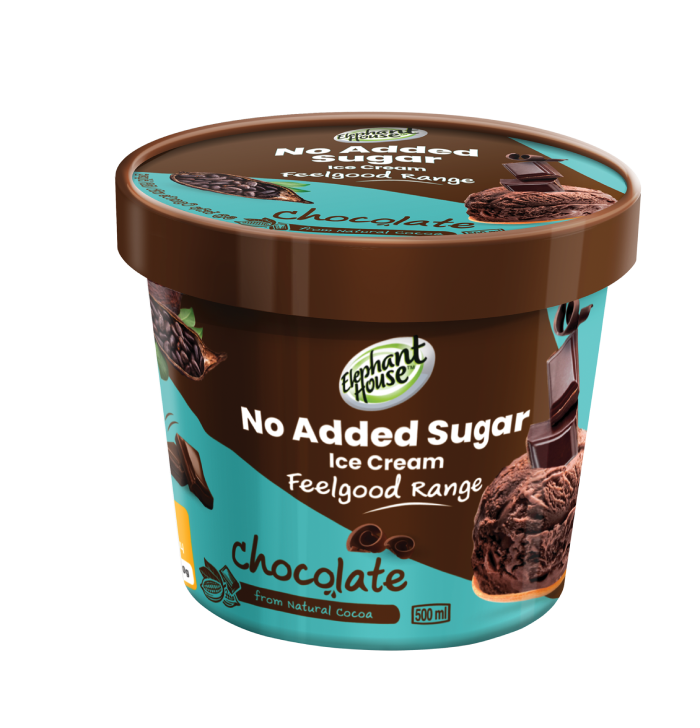
Choosing a healthy chocolate ice cream involves more than simply looking at the product name on the package. A better approach is to review the nutrition label, cocoa percentage, sugar content and ingredient list. Products that combine rich chocolate flavor with transparent, simple ingredients often represent a healthier option.
Why your ice cream's cocoa percentage matters ?
Higher cocoa content typically delivers a deeper, more authentic chocolate flavor and reduces dependence on added sugar for sweetness. If you are looking for a healthier chocolate ice cream, choose products made with high-quality cocoa powder or cocoa mass.
What’s the best cocoa percentage for chocolate ice cream ?
There’s no single ideal number, but generally, the higher the cocoa content (cocoa powder + cocoa mass), the deeper and more authentic the chocolate flavor becomes, with less reliance on added sweetness. For a well‑balanced, high‑quality chocolate ice cream, the cocoa percentage should be chosen based on the desired flavor intensity, texture, and level of bitterness.
How to Evaluate Sugar and Calories in Ice Cream ?
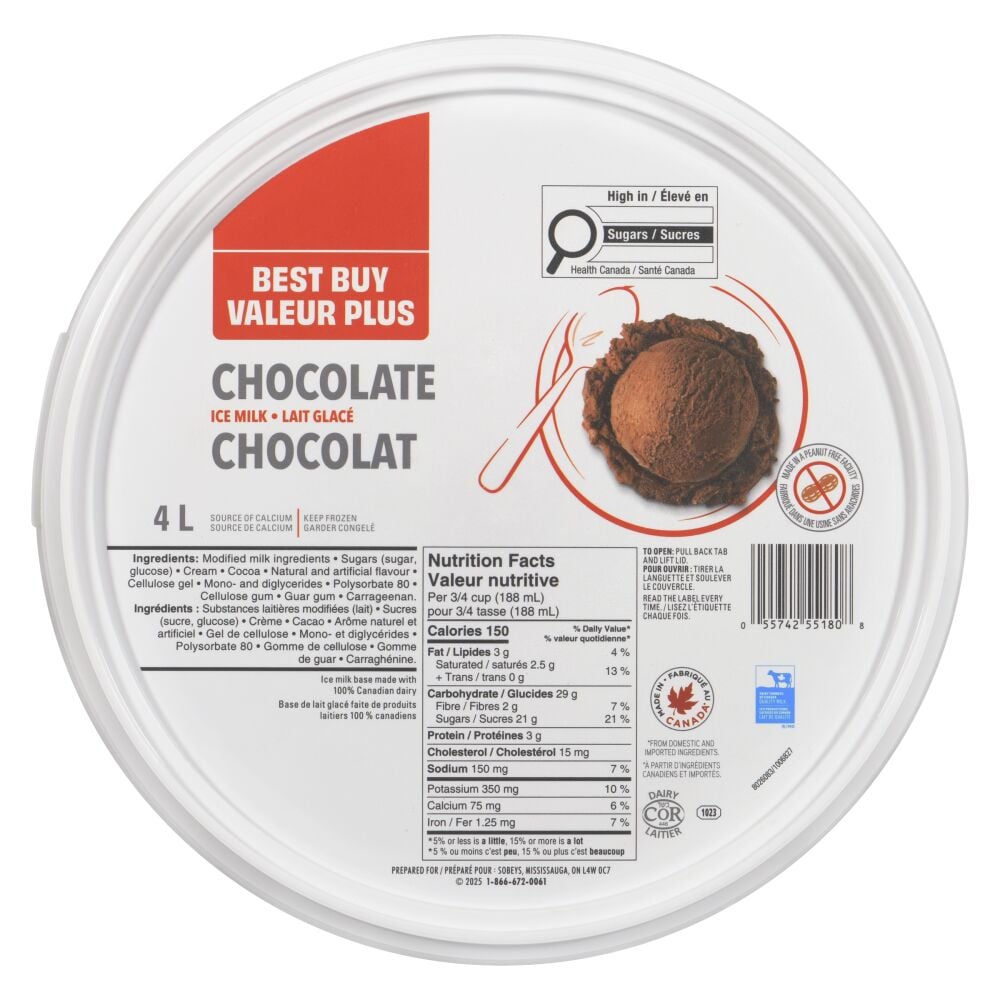
Check the nutrition label carefully to understand both the sugar content per serving and the realistic serving size. Some ice creams may appear healthy but still contain relatively high sugar levels per portion.
What Is Clean Label and Why Does It Matter in Ice Cream ?
One of the most influential trends in the modern food industry is the concept of Clean Label. The term refers to products with simpler, more transparent ingredient lists that are easier for consumers to recognize and understand.
Research shows that many shoppers now carefully read product labels and prefer foods with ingredients that are familiar, natural and minimally processed.
In healthy chocolate ice cream, a Clean Label approach typically involves using high-quality cocoa powder or cocoa mass, balanced cocoa content, natural dairy or plant-based alternatives and fewer unnecessary additives.
This approach not only improves perceived product quality but also builds consumer trust and brand credibility.
Why Is Dark Chocolate Ice Cream Becoming More Popular ?
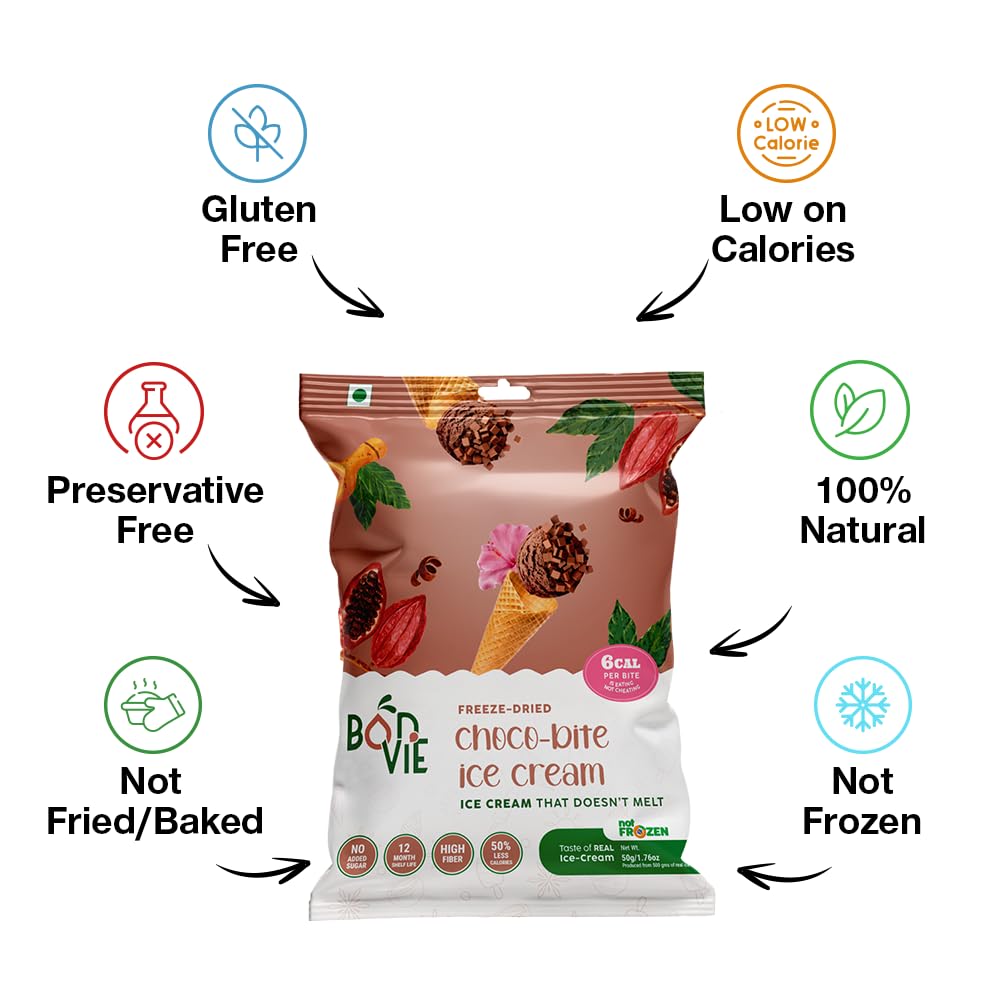
As interest in health-focused foods grows, and trends such as Clean Label and reduced sugar gain traction, many consumers are gravitating toward chocolate flavors that are more authentic and less overly sweet. Dark chocolate ice cream fits this demand perfectly: it often contains less sugar while offering a richer and more intense chocolate experience.
Why Are Consumers Choosing Healthier Desserts ?
Today, desserts are no longer viewed simply as indulgent treats. They are increasingly part of a broader lifestyle approach focused on well-being and balanced eating habits. Many consumers want to enjoy dessert while still feeling confident that they are not compromising their health. This shift has led to the growing concept of Mindful Indulgence; choosing foods that deliver pleasure while aligning with personal health goals. Healthy chocolate desserts fit perfectly within this mindset by combining satisfying flavor with more thoughtful ingredient choices.
Your Guide to Choosing the Right Cocoa Powder
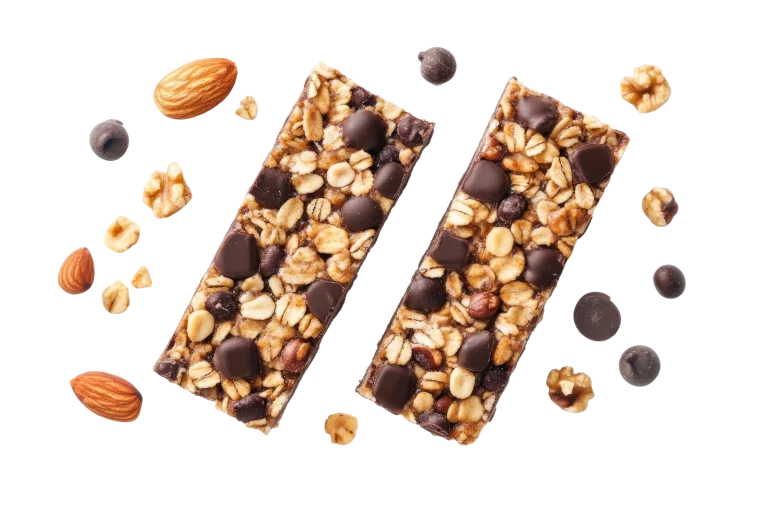
In Clean Label products, ingredient quality plays a crucial role in both flavor and nutritional value; whether you’re making chocolate ice cream or functional protein bars. Cocoa powder is one of the key ingredients that can enhance both taste and nutrition.
If you want to know which type of cocoa powder works best for high‑quality, functional protein bars, this guide is for you.
- Related article
What Is Chocolate 2.0 and Why Is It Changing Chocolate Ice Cream Flavor ?
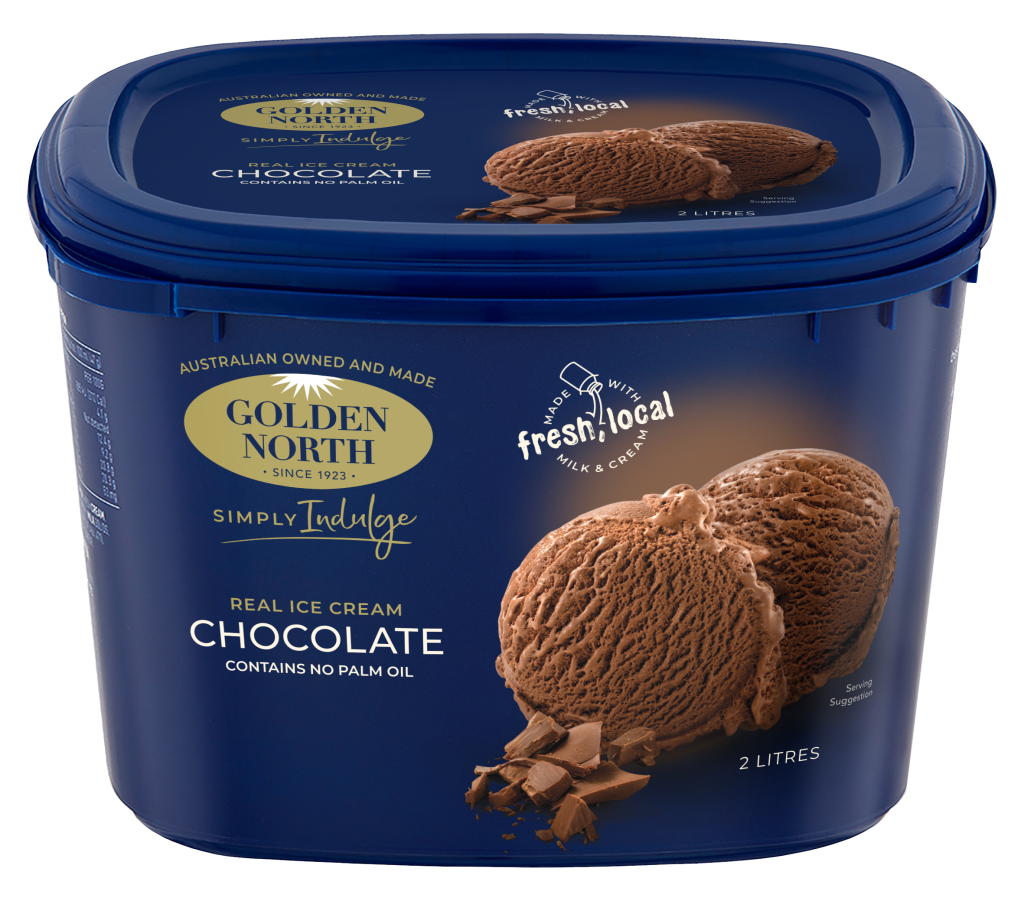
Chocolate 2.0 is more than a marketing term; it represents a new generation of chocolate products where ingredient origin, cocoa quality, texture and sensory experience are prioritized over simple sweetness. In this approach, chocolate is no longer just a flavor. It becomes a multi-sensory experience, where cocoa origin, processing methods and ingredient composition influence the final taste and texture. This shift has encouraged the development of chocolate ice creams with deeper flavor profiles, more natural taste and fewer artificial characteristics.
The Importance of Cocoa Origin in Ice Cream Flavor
The origin of cocoa beans significantly affects aroma, bitterness, flavor complexity and the final character of chocolate ice cream. High-quality cocoa typically offers richer flavor notes and more nuanced taste profiles. For this reason, premium ice-cream brands increasingly highlight cocoa origin as an important quality indicator.
The Importance of Cocoa Origin in Ice Cream Flavor
The origin of cocoa beans significantly affects aroma, bitterness, flavor complexity and the final character of chocolate ice cream. High-quality cocoa typically offers richer flavor notes and more nuanced taste profiles. For this reason, premium ice-cream brands increasingly highlight cocoa origin as an important quality indicator.
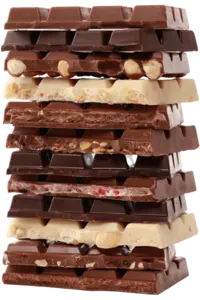
Discover Where the Real Flavor of Chocolate Ice Cream Comes From
To learn more about how the origin of the cacao bean shapes flavor, read the in‑depth article “Cacao and Chocolate Flavor Profiles: From Bean Origin to Sensory Evaluation”.
- Related article
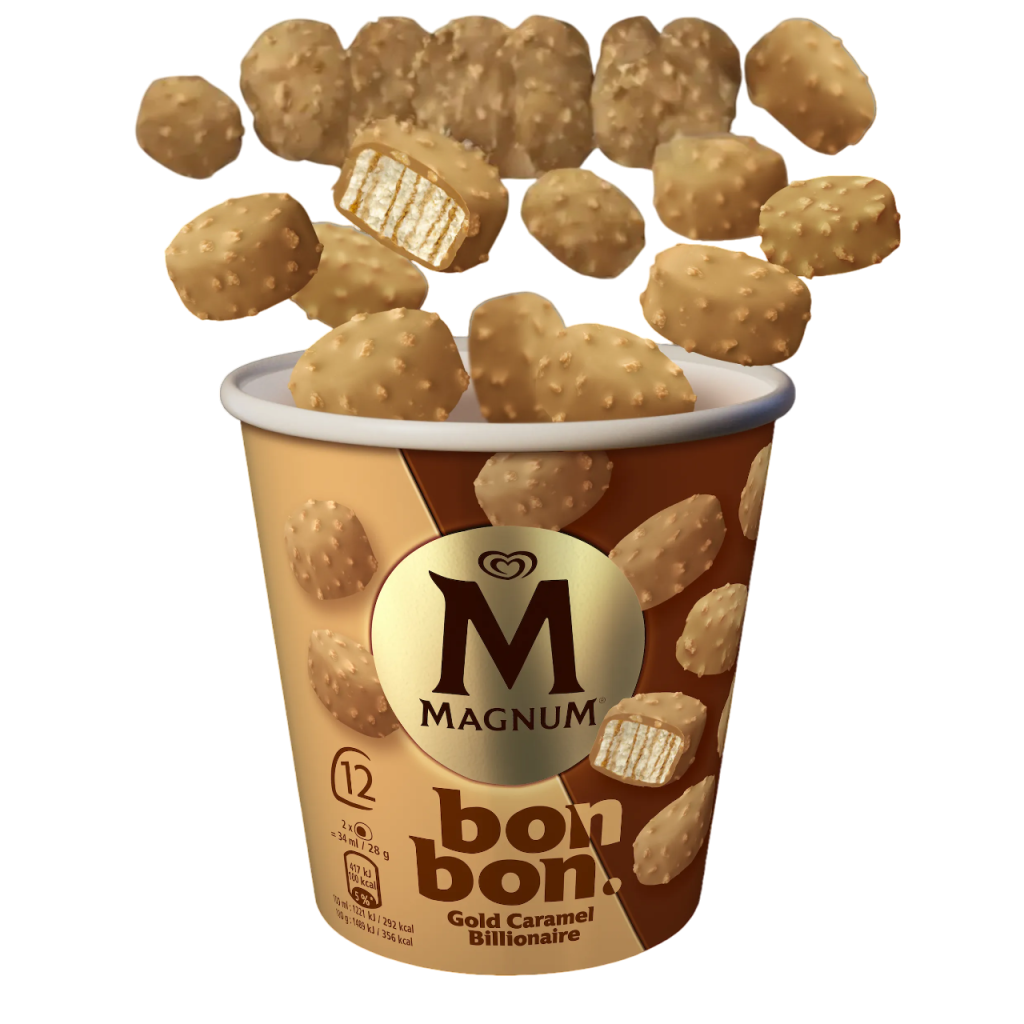
Texture Revolution : Why Texture Matters in Chocolate Ice Cream
The Texture Revolution reflects a shift in how consumers evaluate desserts. Flavor is still important, but texture has become an essential part of the overall eating experience.
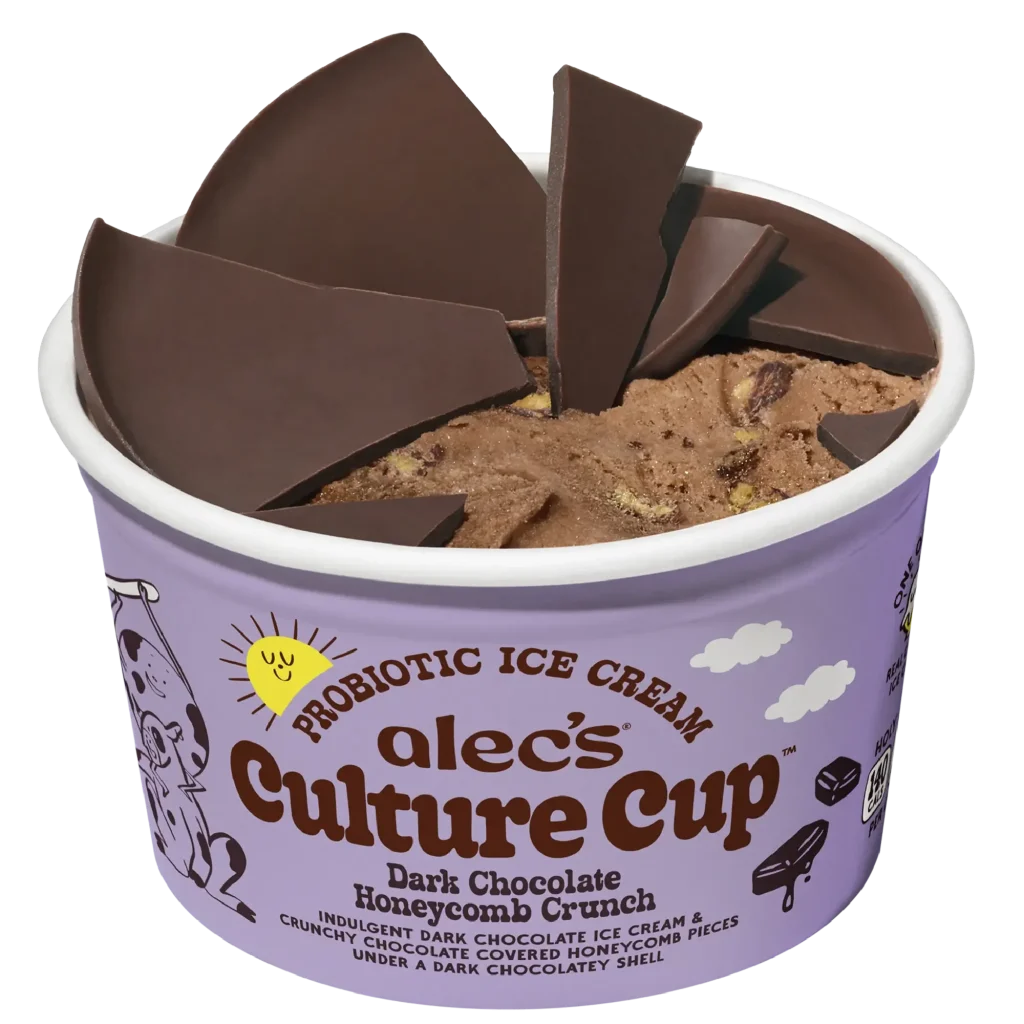
When ice cream has only a smooth and uniform texture, the experience can become repetitive after a few bites. In contrast, combining multiple textures; such as creamy ice cream, crunchy chocolate pieces, or soft chocolate swirls; creates a more engaging and memorable sensory experience.
Each spoonful can deliver slightly different sensations, making the dessert more exciting and satisfying.
Mouthfeel : The Real Experience of Ice Cream in the Mouth
A key concept within this trend is Mouthfeel; the set of physical sensations experienced when eating ice cream.
Factors such as creaminess, melting behavior, fat content and structural uniformity all influence mouthfeel. Even two ice creams with similar flavors can feel very different due to variations in texture and formulation.
What role does the fat content in chocolate coating play in the Mouthfeel of ice cream ?
The fats used in the coating (such as CBS or Cocoa Butter) are the primary determinants of the “flavor release” rate. When combined with high-quality Cocoa Powder, these fats ensure a smooth, velvety texture.
An expertly engineered coating allows the fat to melt rapidly at body temperature, ensuring that the rich chocolate aroma from the cocoa powder is released instantly. This prevents the coating from masking the ice cream’s freshness and coldness; instead, it enhances the overall sensory experience by providing a perfect balance between the solid snap and a creamy melt.
How Brands Make the Ice Cream Experience More Exciting ?
To create multi-layered experiences, many brands combine different elements such as chocolate coatings, cocoa nibs, chocolate chunks, or soft chocolate fillings.
These additions create contrasts in texture and flavor that make each bite feel fresh and dynamic. A well-known example of this approach can be seen in products like Magnum Pleasure Express, where creamy ice cream, chocolate layers and crunchy coatings combine to create a richer dessert experience compared with traditional ice creams.
The popularity of these textured desserts shows how consumer preferences are evolving. Today, people are not only looking for good flavor; they are also seeking variety, discovery and sensory enjoyment in every bite of chocolate ice cream.
Does cocoa powder contribute to grittiness in ice cream?
Yes, cocoa powder can indirectly contribute to a gritty or sandy texture in ice cream, but it is not the primary cause of sandiness.
What is sandiness?
Sandiness refers to a grainy or gritty mouthfeel that develops on the tongue.
This defect is usually caused by coarse lactose crystals, and occasionally by ice crystals.
How cocoa powder can intensify sandiness
Cocoa powder may worsen grit formation through several mechanisms:
- Increasing the amount of undissolved solids, which raises the chances of lactose and sugar crystallization.
- Absorbing free water, reducing the water available to keep lactose dissolved.
- Lowering overall moisture in the mix, especially if the formulation lacks sufficient stabilizers.
- Disrupting the balance of milk solids; non‑fat (MSNF), which affects lactose solubility and crystallization patterns.
- Promoting agglomeration of particles, making gritty textures more noticeable.
Although cocoa does not directly create lactose crystals, it can amplify conditions that lead to them;especially in high‑solids or poorly balanced formulations.
Ways to reduce sandiness in chocolate ice cream
- Use a properly alkalized, fine-milled cocoa powder to ensure smoother dispersion.
- Add cocoa powder gradually while blending, for better hydration and reduced clumping.
- Improve temperature control, particularly during aging and freezing.
- Maintain a balanced MSNF level to avoid lactose supersaturation.
- Use stabilizers/emulsifiers ( stabilizer blends, gums, emulsifiers, e.g.) optimized for chocolate formulas.
- Ensure strong and uniform shear mixing to distribute particles evenly.
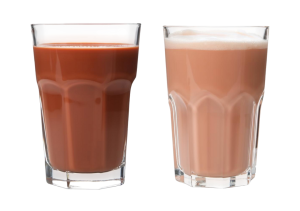
Texture is not an accident !
If texture and mouthfeel matter in your chocolate ice cream, choosing the right cocoa powder is one of the most important factors in final product quality. Processing method, fat content, and compatibility with the dairy matrix can directly influence texture and mouthfeel in ice cream.
To learn more about the selection criteria, read the article “5 Key Factors for Choosing the Right Cocoa Powder for the Dairy Industry.
- Related article
Why Do Some Ice Creams Contain Fiber or Probiotics?
Health-focused ice cream formulations often include ingredients such as dietary fiber, antioxidants and probiotics.
Dietary fiber can promote satiety and may help individuals who are following weight-management diets feel fuller for longer.
Probiotics, on the other hand, are gaining attention due to their potential role in supporting gut health, immune function and nutrient absorption.
However, incorporating these ingredients into ice cream requires careful formulation because they can influence flavor balance, texture and product stability.
The Impact of Stabilizers, Emulsifiers, Sugar and Fiber on Ice Cream Texture and Viscosity
Studies also show that sugar is not only responsible for sweetness; it plays an essential role in determining body, thickness and the desired mouthfeel of the product.
In addition, dietary fiber can improve texture by absorbing and retaining water. This helps strengthen the structural properties of ice cream and enhance mouthfeel and creaminess.
Together, these findings highlight that successful ice-cream formulation depends not only on selecting high-quality ingredients but also on understanding how these ingredients influence final sensory quality and consumer acceptance.
What Is Protein Ice Cream and What Are Its Benefits ?
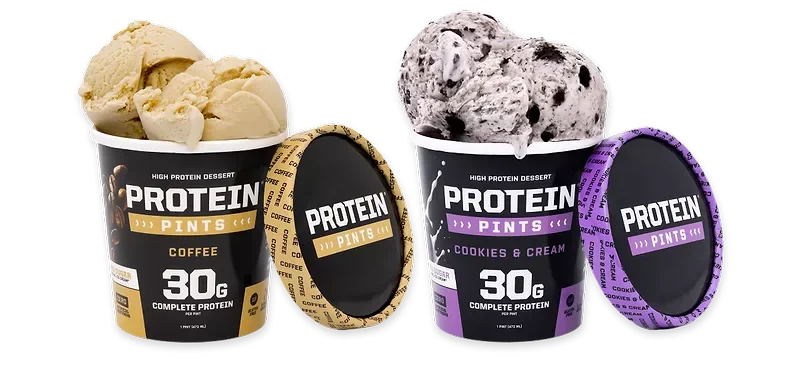
Protein ice cream is one of the most important subcategories of functional ice cream. In these products, protein content is increased by incorporating ingredients such as whey protein, casein, or plant-based proteins.
Protein ice cream has become particularly popular among athletes, fitness enthusiasts and individuals following weight-management diets who are looking to increase their protein intake.
Beyond its nutritional value, protein can also improve the structure and body of ice cream, helping to enhance texture and overall product consistency.
What Is Functional Ice Cream and Why Has It Become So Popular ?
Functional ice cream refers to a category of ice creams that are designed not only to deliver enjoyment but also to enhance nutritional value. These products are typically formulated so that beneficial ingredients can partially replace higher levels of fat or sugar. In recent years, the popularity of functional ice cream has grown significantly.
This shift is largely driven by consumers’ increasing interest in balanced diets, active lifestyles and food choices that support personal wellness goals. For many people, functional ice cream offers a convenient way to enjoy dessert while still aligning with their nutrition and fitness objectives; allowing them to indulge without feeling that it conflicts with their health routines.
Next-Generation Chocolate Ice Cream: Balancing Flavor, Health and Texture
Healthy chocolate ice cream is no longer a niche concept; it represents a real shift in consumer preferences and the growing movement toward mindful, health-conscious lifestyles. From this perspective, the appeal of chocolate ice cream is no longer determined solely by sweetness. Instead, factors such as cocoa quality, ingredient selection, sugar and fat balance and carefully designed texture all shape the final consumer experience.
The concept of Chocolate 2.0 reflects this transformation. In this new generation of chocolate desserts, innovation goes beyond flavor alone. Greater emphasis is placed on ingredient transparency, sensory experience and formulation quality.Choosing the right cocoa powder or cocoa mass, ensuring ingredient clarity and designing the ideal texture can all influence color, aroma, mouthfeel and the overall perception of chocolate ice cream.
Ultimately, a truly successful healthy chocolate ice cream can be defined as the result of a balanced combination of flavor quality, nutritional value, optimized texture and transparent ingredients; all working together to deliver a modern chocolate dessert experience.