

Why Can Cocoa Influence Brain Function and Mood ?
Cocoa is one of the most complex food sources in terms of bioactive diversity, and its potential effects on brain function and mood have been examined for decades. Unlike the common perception that chocolate is merely an indulgent treat, the cocoa bean naturally contains polyphenols, flavanols, theobromine and minerals such as magnesium. These compounds are known to interact with pathways related to cognition, emotional balance and stress response; which is where many of the core cocoa benefits for brain function and mood originate.
In global markets, the growing demand for Cognitive & Mood Functional Foods has placed cocoa‑based products in the spotlight. For producers in Iran as well, a science‑driven approach to cocoa can open up opportunities to design smarter formulations; products that deliver more than sensory pleasure and offer added value in focus, calmness and mental energy.
To understand these applications, it is essential to explore cocoa’s active compounds and the mechanisms through which they may support cognitive performance and mood stability. This scientific foundation helps align product development with real consumer needs and emerging functional food trends.
Before diving into the mechanisms, it is important to clarify the different forms of cocoa used in product development. Natural cocoa powder, cocoa liquor and cocoa butter each deliver unique profiles of flavanols, theobromine, fats and minerals. These differences directly influence both the functional potential and the final taste experience of the product; an essential consideration for R&D teams and manufacturers.

Callebaut : Belgian Heritage, Consistent Quality
With over a century of expertise in crafting professional chocolate, Callebaut is a trusted partner for confectioners and forward‑thinking brands.
- Business partner
Active Compounds in Cocoa and Their Role in Brain Function
Cocoa contains a rich array of bioactive compounds that can directly or indirectly impact brain and mental well-being. The most significant of these include:
- Polyphenols, especially cocoa flavanols (like epicatechin)
- Alkaloids (theobromine and caffeine)
- Minerals, particularly magnesium
These compounds act through various mechanisms, such as reducing oxidative stress, modulating neuroinflammation, improving cerebral blood flow and potentially influencing neurotransmitters to help maintain cognitive function and mood regulation. The existing evidence from acute studies with specific doses of flavanol-rich cocoa has shown promising results in supporting focus, alertness and emotional balance. However, it is crucial to note that these positive effects from specific flavanol dosages cannot be directly extrapolated to all conventional chocolate products on the market.

The Sensory Profile of Cocoa and Chocolate : From Bean Origin to Sensory Evaluation
If you’re interested in how genetic factors, terroir and post‑harvest practices shape the final quality and flavor expression of a cocoa‑based product, we recommend reading our article “Cocoa and Chocolate Flavor Profile: From Bean Origin to Sensory Evaluation.”
- Related article
Cocoa Polyphenols and Flavanols : Key Antioxidants for Neuronal Protection
Polyphenols and especially cocoa flavanols are among the most important antioxidant compounds naturally found in cocoa. These molecules can neutralize free radicals and reduce oxidative stress, helping protect neuronal cell membranes and DNA, thereby supporting overall brain function.
Human studies have shown that regular consumption of flavanol‑rich cocoa products (typically around 200–900 mg/day of total flavanols for several weeks) has been associated with:
• Improved cerebral blood flow (measured via fMRI or Doppler ultrasound)
• Enhanced cognitive functions such as attention, processing speed, and working memory
• Possible increases in BDNF, supporting neuroplasticity (with stronger evidence in animal studies than in humans)
These effects are primarily driven by enhanced endothelial function and increased nitric oxide bioavailability. However, evidence for a direct mood‑enhancing effect of cocoa flavanols is still less conclusive compared with their effects on cognition and cerebral blood flow.

Scientific Outlook for Next‑Generation Product Development
Research indicates that natural (non‑alkalized) cocoa powder and cocoa mass (cocoa liquor) are among the richest and most stable sources of biologically active flavanols. These compounds have gained significant attention in recent years for their role in concepts such as focus, mental clarity and cognitive wellness.
In this context, the key factor is the true flavanol density, not merely the percentage of cocoa listed on the product label. This distinction opens an important pathway for developing more intelligent, science‑aligned cocoa products.
High‑intensity alkalization processes (Dutching) substantially reduce flavanol content. Therefore, products formulated with minimally processed natural cocoa powder or cocoa mass represent a more scientifically appropriate choice for future‑focused applications, especially when targeting mental performance or supporting daily cognitive tasks.
In the next generation of cocoa‑based products, the type of cocoa powder and its processing intensity can become a scientifically grounded point of differentiation; enabling brands to make clearer, more credible and globally aligned claims in the rapidly expanding category of cognitive wellness.
Magnesium and Mental Well‑Being: How Cocoa Supports Stress Regulation and Sleep Quality
Cocoa is considered a moderately good dietary source of magnesium. This mineral plays an essential role in healthy nervous‑system function, the regulation of GABA receptors and maintaining a balanced stress response.
Evidence suggests that better magnesium status may be associated with:
• Reduced anxiety and lower neural irritability
• Improved sleep quality
• A decrease in the intensity of some mild depressive symptoms
Conversely, magnesium deficiency is linked to elevated stress, sleep disturbances and irritability.
Key Consideration :
Cocoa contributes magnesium, but it is not a replacement for supplementation or a diverse diet.
• The calming effects of magnesium observed in research typically relate to supplement-level doses (around 200–400 mg of elemental magnesium per day).
• A standard serving of chocolate or a cocoa beverage provides only a portion of that amount; not the full requirement.
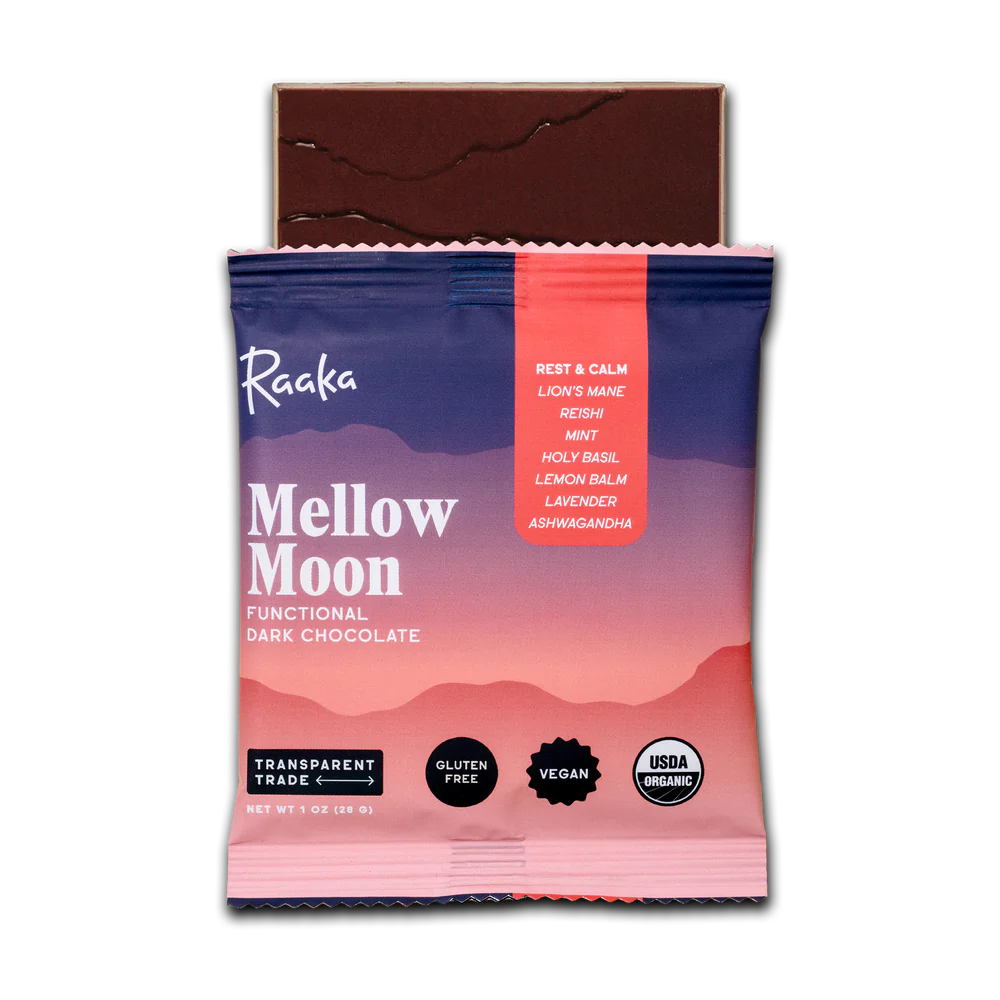
Relaxation by Design : Smart Use of Cocoa in Night‑Time Formulations
Because cocoa supplies only part of the daily magnesium requirement, it becomes truly effective in “calming” or “night‑time” products when combined with higher‑magnesium ingredients such as almonds, hazelnuts or pumpkin seeds. This synergy forms a strong base for creating evening and pre‑sleep products with a naturally soothing feel; especially when sugar is kept low and stimulants like caffeine are carefully controlled.
A well‑designed night‑time formulation may include :
• Natural (non‑alkalized) cocoa powder with minimal processing
• Magnesium-rich nuts and seeds
• A low-sugar or low-GI sweetening system
Such a composition can be used in formats like “night-time chocolate” or “evening warm cocoa drinks.”
Messaging should remain realistic and non‑medical, focusing on experience instead of health claims; for example:
“A gentle companion to help you unwind before sleep.”
This approach enables a brand to deliver a credible, sensory‑driven calming experience, leveraging the natural strengths of cocoa and magnesium without making therapeutic promises; supporting a strong, trustworthy positioning in the Calm & Relax product segment.
Theobromine, Caffeine and Their Mild Stimulatory Effects on the Central Nervous System :
Theobromine and the Architecture of Mental Energy in Next‑Generation Formulations:
Theobromine’s gentle, steady stimulatory profile makes it particularly valuable in designing products aimed at sustained focus and stable, long-lasting mental energy; especially for individuals who are more sensitive to caffeine.
From a raw‑material perspective, natural (non‑alkalized) cocoa powder typically contains higher concentrations of theobromine. This makes it a strong choice for formulations seeking to deliver calm, smooth, non‑spiking energy, a profile increasingly relevant in cognitive‑support applications and daily performance products.
In next‑generation cocoa formulations, a controlled theobromine dosage (for example, 150–250 mg per serving) combined with reduced added sugar represents a science‑aligned, intelligent approach. This strategy helps maintain theobromine’s steady cognitive effects while preventing the sugar crash that can undermine focus.
With this type of formulation architecture, brands gain the ability to make clearer, more credible claims supported by global standards; claims such as:
“Supports sustained mental energy”

Theobromine and the Architecture of Mental Energy in Next‑Generation Formulations:
Theobromine’s gentle, steady stimulatory profile makes it particularly valuable in designing products aimed at sustained focus and stable, long-lasting mental energy; especially for individuals who are more sensitive to caffeine.
From a raw‑material perspective, natural (non‑alkalized) cocoa powder typically contains higher concentrations of theobromine. This makes it a strong choice for formulations seeking to deliver calm, smooth, non‑spiking energy, a profile increasingly relevant in cognitive‑support applications and daily performance products.
In next‑generation cocoa formulations, a controlled theobromine dosage (for example, 150–250 mg per serving) combined with reduced added sugar represents a science‑aligned, intelligent approach. This strategy helps maintain theobromine’s steady cognitive effects while preventing the sugar crash that can undermine focus.
With this type of formulation architecture, brands gain the ability to make clearer, more credible claims supported by global standards; claims such as:
“Supports sustained mental energy”
Neural Mechanisms : Serotonin, Dopamine and Endorphins
Some studies suggest that consuming cocoa and chocolate may be associated with mild changes in neurotransmitter systems such as dopamine, serotonin and endorphins. These systems play key roles in pleasure, reward, motivation, and mood regulation.
Dopamine :
Tasty foods (including chocolate) can activate the dopaminergic reward system. This response is more related to pleasure and reward‑seeking behavior than to any direct therapeutic effect on psychiatric conditions.
Serotonin :
Cocoa contains small amounts of tryptophan (the precursor to serotonin) but its direct impact on brain serotonin levels in humans is not firmly established and is likely limited compared with other protein-rich dietary sources.
Endorphins :
Consuming sweet and enjoyable foods can trigger short‑term release of endorphins, briefly reducing discomfort or tension. This effect is usually temporary and context‑dependent.
Overall, the available evidence indicates that moderate cocoa intake may be associated with improved mood and a short-lived reduction in mental stress. However, these effects are typically mild, influenced by psychosocial factors (stress level, eating habits, expectations) and cannot be interpreted as a treatment for depression or anxiety.

From Dopamine to Experience Design: The Science Behind Focus / Calm / Energy Chocolates
Research suggests that cocoa consumption can be associated, in some individuals, with subtle changes in mood‑related biological pathways; changes that appear more as momentary facilitation of positive feelings than as defined therapeutic effects. Mild activation of the dopaminergic reward system when eating enjoyable foods (including chocolate) is an example of this mechanism and is often linked to momentary satisfaction and a gentle motivation to continue tasks.
At the same time, the small amount of serotonin precursor in cocoa and the short‑term endorphin release from enjoyable foods are context-dependent and non‑therapeutic. Yet this mild pattern of influence highlights a key point: the real value of cocoa lies not in strong biological shifts but in its ability to support everyday moments and enhance the emotional experience of consumption.
This is where the concept of mood-based product design emerges; a framework in which the role of science is not to prove a medical effect, but to provide a credible foundation for creating a positive, defensible sensory and emotional experience. In this perspective, cocoa becomes part of a good moment; one that consumers may interpret as heightened focus, gentle calm or a short-lived psychological lift.
Such an experience becomes more complete when the three primary mood themes are designed operationally :
Focus :
A controlled snap/crispy texture, a bright aromatic profile and balanced bitterness that support a sense of alertness; paired with supportive, non‑overstated messaging.
Calm :
A slow melt, low sweetness and warm cocoa notes suited to evening and end‑of‑day moments.
Energy :
A dynamic texture, vibrant flavor cues and controlled sugar architecture to create a sense of psychological energy without a crash.
In all three themes, several elements must be engineered simultaneously:
• Formulation :
Choosing natural cocoa powder, controlling sugar, and integrating magnesium-rich ingredients or standardized flavanols when needed, at transparent doses.
• Sensory experience:
Flavor, aroma, texture, and bite size as levers that influence the reward system.
• Brand experience :
Packaging, supportive messaging and consumption scenarios that align consumer expectation with the actual moment of use.
Within this framework, brand communication avoids therapeutic claims and focuses instead on everyday support :
- A gentle companion for unwinding at the end of the day
- A small helper for high-pressure moments
- A daily pleasure that lifts your mood
In this way, the science of neurotransmitters becomes a foundation for experience design rather than a source of exaggerated claims; allowing the brand to build an effect that feels credible, emotional and memorable.
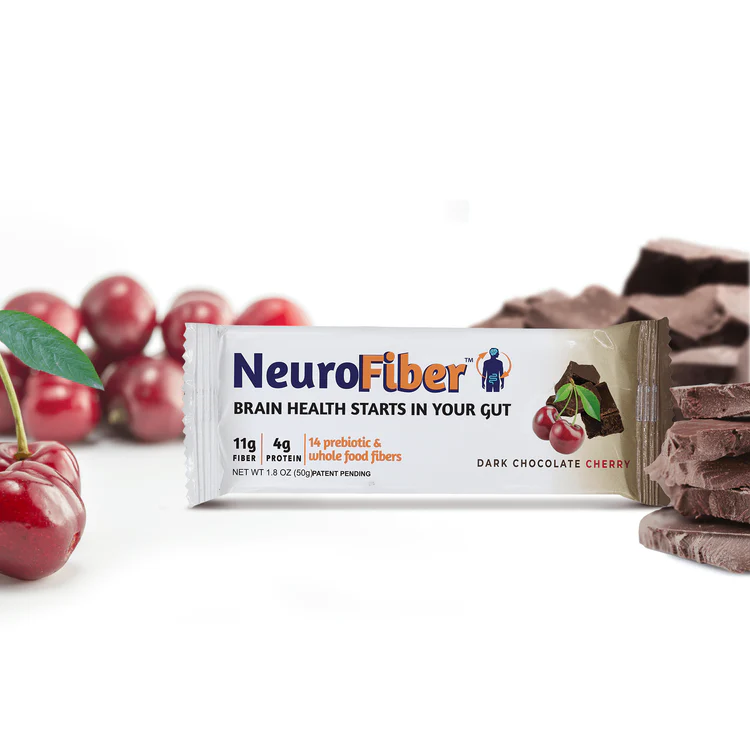
Beyond Neurons: Cocoa’s Alignment with the Gut–Brain Axis
In recent years, the gut–brain axis has become one of the most significant research domains at the intersection of nutrition and neuroscience. This complex network shows that the state of the gut microbiota can influence mood and psychological resilience through indirect pathways, such as modulating inflammatory responses and producing microbiota‑derived metabolites.
Scientific studies suggest that part of cocoa’s effects occurs beyond the direct absorption of its active compounds into the bloodstream; emerging instead through its interaction with the gastrointestinal ecosystem. Cocoa polyphenols act similarly to beneficial substrates for helpful gut bacteria, contributing to the maintenance of microbial balance. This process highlights a new layer of cocoa’s influence: a “slow and foundational effect” that supports biological stability not through direct neural stimulation, but through sustaining the body’s internal equilibrium.
Understanding this connection shifts our view of cocoa from a simple food ingredient to a strategic component of functional nutrition. This perspective reflects the evolution of our scientific knowledge; where the goal is not only immediate pleasure, but also comprehensive support for biological balance and long‑term wellbeing in today’s demanding world.

Performance Engineering: From Bio-efficacy to Protein Bars
Transforming these biological potentials into an impactful final product requires careful selection of raw materials. For a professional choice, read the Guide to Selecting the Right Cocoa Powder for Protein Bars.
- Related articles
Chocolate as a Comfort Food During Crises
During economic, social or health crises (such as pandemics), many people unconsciously turn to comfort foods.
Chocolate is one of the most iconic comfort foods because it:
• Offers a multilayered sensory experience (taste, aroma, texture, meltability)
• Is tied to positive memories, celebrations, and gifting
• Can temporarily uplift mood and provide a sense of a “small reward”
Accessible Small Pleasure : A Brand Opportunity
In pressured economies, consumers seek small, affordable indulgences; things that restore a sense of joy and control despite budget limitations.
Chocolate fits this need perfectly, provided that:
• The unit price feels reasonable and low‑risk (bite‑size chocolates, small packs, e.g.)
• The quality of taste and sensory experience remains high
• Brand messaging focuses on “a small but meaningful feel‑good moment”
From Comfort Food to Functional Products
Combining physiological science (flavanols, theobromine, magnesium) with the psychological‑social needs of a crisis‑affected market creates opportunities such as :
• Focus‑Themed Products
Cocoa snacks or drinks with natural cocoa powder + nuts + low sugar, positioned as “supporting focus during busy, stressful days.”
• Calm‑Themed Products
Dark chocolates with nuts and possibly mild calming botanicals (such as lavender or chamomile, within food‑safe limits), designed for evening and nighttime consumption.
• Energy (Steady, No Jitters) Products
Items formulated with sufficient theobromine and controlled caffeine for stable mental energy in high‑pressure work environments.

Cocoa and Chocolate in the Post‑Crisis Psychological Economy : From Comfort Food to Functional Product
In post‑crisis periods, the emotional value of food products becomes more meaningful than ever. When purchasing power declines, a “small but pleasant experience” is exactly what helps maintain the consumer’s psychological balance. In this context, chocolate becomes more than just a food. it becomes a tool for restoring a moment of everyday joy; a moment that smart brands can redefine.
The market today is no longer seeking luxury chocolate, but rather accessible small pleasures; experiences that easily fit into a stressful daily life and are supported by authentic, non‑exaggerated messaging.

Ultimately, cocoa and chocolate in the post‑crisis psychological economy offer a unique opportunity for brands; not to make grand promises, but to create small, meaningful experiences. You can build your product portfolio around three human states (Focus, Calm and Energy) and translate the role of science within each pillar into a language of pleasure and real‑world value. If each product unit can revive a small sense of control and hope in the consumer’s mind, then it has truly fulfilled the core mission of this new generation of foods:
Restoring a sense of joy and balance; authentically, accessibly and sincerely.

Scientific Limitations, Overconsumption Risks and Ethical Considerations
A significant portion of the evidence on cocoa comes from studies using standardized, flavanol‑rich products; therefore, the findings of such research cannot necessarily be generalized to all common forms of chocolate, especially those with higher sugar or fat content. The observed effects are typically mild, gradual and dependent on overall consumption patterns; rather than immediate or therapeutic in nature.
When it comes to mood, interpreting results also requires caution and messaging should rely on evidence rather than definitive claims. Maintaining this scientific and responsible perspective helps present a more accurate picture of cocoa’s true role in health and individual experience.

Barry Callebaut : Lasting Taste, Trusted Innovation
Trusted Partner in The Product Lines of Leading Brands
- Business partner
Conclusion : From Bioactive Compounds to Cocoa’s Role in Functional Formulation
Cocoa, thanks to its polyphenols, alkaloids and mineral content, interacts with brain function and mental experience through multiple pathways. While many of these effects still require more rigorous research, current evidence suggests that moderate consumption of high‑quality cocoa products can offer gentle, supportive benefits for brain health when incorporated within an overall healthy dietary pattern.
For consumers, choosing products with higher cocoa content, clearer ingredient lists and reduced sugar levels is key. For producers, optimizing processing to preserve bioactive compounds, lowering added sugars and incorporating complementary nutrients can strengthen the development of functional chocolate products aligned with mental‑wellbeing concepts. This approach provides a logical foundation for taking a closer look at natural cocoa powder and cocoa mass and understanding the role each can play in the formulation of such products.