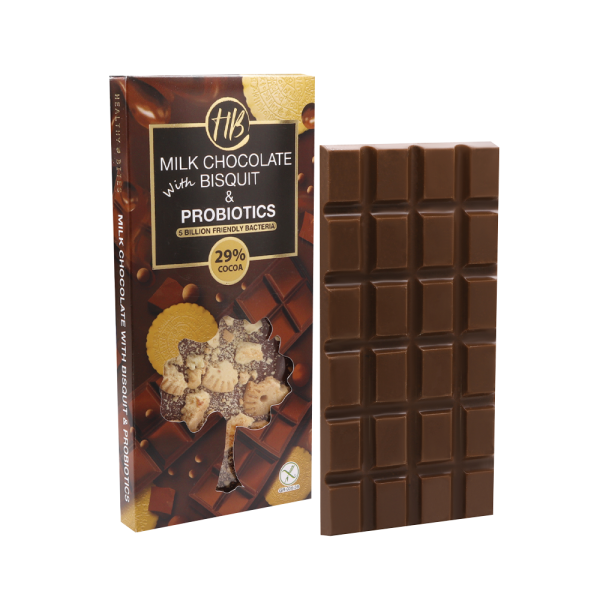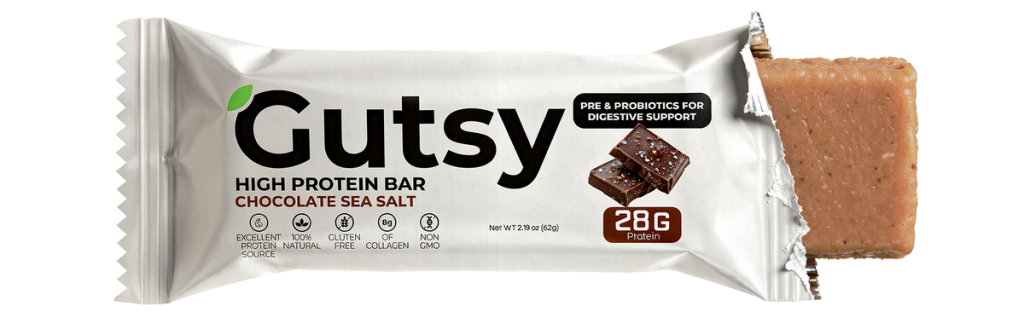
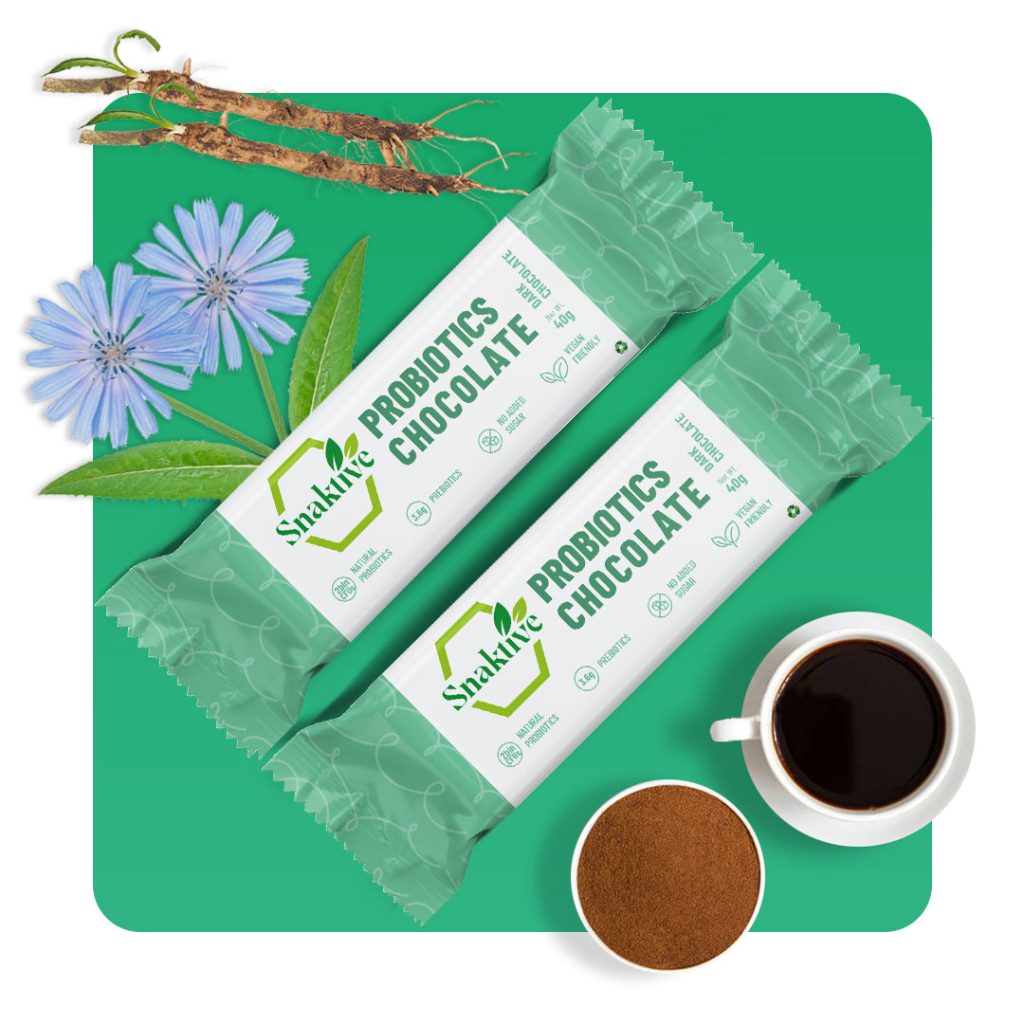
What Is Probiotic Chocolate ?
Beyond the conventional attributes of chocolate (flavor, texture and aroma ) probiotic chocolate is enriched with beneficial microorganisms such as and . Its key differentiator from conventional chocolate lies in its classification as a functional food.
This type of chocolate not only delivers sensory indulgence but also contributes to gut health and immune support.
From a formulation standpoint, chocolate is considered an optimal delivery matrix for probiotics due to its stable lipid phase, cocoa-derived antioxidants and relatively low water activity (aw). These properties help protect probiotic viability. Recent findings confirm that the chocolate matrix can provide a protective microenvironment, maintaining microbial stability without compromising product quality.
How Are Probiotics Incorporated into Chocolate ?
The incorporation of probiotics into chocolate is a technologically advanced process, aimed at preserving microbial viability during both processing and shelf life.
One of the most effective strategies is microencapsulation. In a 2025 study by Shahryari et al. titled “Production of probiotic dark chocolate by alginate-chitosan microcapsules containing protective yeast with potent anti-Salmonella activity”, it was demonstrated that encapsulation significantly mitigates environmental stresses such as moisture, temperature fluctuations and storage conditions, thereby enhancing probiotic survival in food matrices.
This highlights the critical role of encapsulation materials and carrier systems in successful probiotic product development.Industrial Process Typically Includes :
- Selection of robust strains resistant to low water activity and thermal stress, such as Lactobacillus casei, L. rhamnosus GG and Bifidobacterium lactis
- Microencapsulation using carriers like alginate, inulin, modified
- starch or maltodextrin to protect against oxygen and heat
- Incorporation during controlled tempering (28–32°C) to prevent thermal inactivation
- Post-molding viability testing to ensure counts remain within ~10⁶–10⁹ CFU/g throughout shelf life
This approach ensures that probiotics remain viable, stable and bioaccessiable, allowing chocolate to function as an efficient carrier of bioactive compounds.
How Do Probiotics Function in the Body ?
Once ingested, probiotics exert their effects through several well-established mechanisms :
- Colonization and adhesion to intestinal epithelium: Prevents the growth of pathogenic bacteria
Enhancement of the mucosal barrier: Improves nutrient - absorption and reduces intestinal inflammation
Production of beneficial metabolites: Including short-chain fatty - acids (SCFAs) like butyrate, which serve as energy sources for colonocytes
- Immune modulation: Through reduction of pro-inflammatory cytokines and increased secretion of IgA
Collectively, these mechanisms position probiotic chocolate a
a palatable, functional delivery system; bridging the gap between indulgence and nutritional supplementation.
Cocoa Butter as a Natural Microencapsulation System: A Key Driver of Probiotic Survival in Chocolate
To explore the structure and functional role of this lipid phase in enhancing the stability and performance of probiotic chocolate, read: “What Is Cocoa Butter? | Properties, Applications and Industrial Alternatives”
- Related articles
What Qualifies as “Probiotic Chocolate”?
Probiotic chocolate is defined as a chocolate product formulated with viable and beneficial microorganisms, where these microbes remain alive and metabolically active throughout the entire shelf life.
From a functional formulation perspective, three core criteria determine whether a chocolate can truly be classified as probiotic:
1.Probiotic Viability : The microorganisms must survive processing, storage, and consumption
2.Targeted Delivery : Effective delivery to the gut without significant degradation during gastrointestinal transit
3.Sensory Acceptance : No negative impact on flavor, texture or overall consumer experience
Chocolate inherently provides a protective and stable carrier system due to its low water activity (aw) and lipid-rich matrix, which support probiotic stability. However, the defining factor remains the presence of a sufficient viable count (CFU) at the end of shelf life.
The Role of Chocolate Fat in Protecting Probiotics
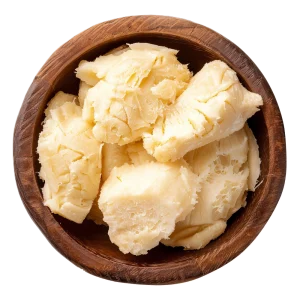
Cocoa Butter plays a critical role in enhancing probiotic survival. Its stable crystalline structure forms a semi-solid lipid matrix that functions as a natural protective barrier.
This fat matrix provides several key advantages :
- Reduced Oxygen Exposure : Low lipid permeability limits oxidation and cellular stress.
- Moisture Protection : The inherently low water activity of chocolate slows probiotic degradation.
- Thermal Buffering : Offers partial protection against short-term temperature fluctuations.
- Improved Gastric Survival : Lipid encapsulation can help mitigate gastric acid impact, enabling more controlled release in the intestine.
In essence, the fat phase of chocolate acts as a form of natural microencapsulation, making it one of the most effective delivery systems for probiotic stability and functionality in confectionery applications.
Why Is Chocolate an Ideal Carrier for Probiotics ?
Chocolate has long been recognized in functional nutrition research as a stable delivery matrix for bioactive compounds, including probiotics. Its unique physicochemical properties make it particularly suitable for protecting and delivering sensitive microorganisms.
For instance, studies on probiotic-enriched chocolate with encapsulated strains highlight that chocolate is not only effective due to its sensory appeal, but also because of its protective physical structure, which enhances probiotic survival and delivery to the gut.
Key Functional Advantages :
- Cocoa Butter Barrier Effect :
Cocoa Butter acts as a natural lipid barrier, reducing probiotic exposure to oxygen and moisture, thereby minimizing oxidative and environmental stress.
- Low Water Activity (aw < 0.5) :
The low water activity significantly slows down microbial degradation and improves long-term viability.
- Cocoa Polyphenols :
Naturally occurring polyphenols provide antioxidant protection, helping prevent cellular damage in probiotic strains.
- Controlled Processing (Tempering Stage) :
Probiotics can be incorporated during low-temperature tempering (28–32°C), reducing thermal inactivation and preserving viability.
- Dairy-Free Potential (Dark Chocolate) :
Dark chocolate formulations are typically lactose-free, making them suitable for lactose-intolerant consumers while maintaining probiotic functionality.
In summary, chocolate is far more than an indulgent confection; it functions as a protective, stable and efficient carrier system for delivering probiotics, aligning sensory pleasure with scientifically validated functional benefits.
Supporting Gut Microbiota Balance The human gut hosts trillions of
microorganisms and any disruption (stress, poor diet, medications, e.g.) can negatively impact digestion, immunity and even mood.
- Probiotics in chocolate help restore this balance through several mechanisms :
- Competitive exclusion : Inhibiting adhesion and growth of pathogenic bacteria
- Production of beneficial metabolites : Such as short-chain fatty acids (SCFAs)
Enhancement of the intestinal mucosal barrier
Reduction of gut inflammation
In parallel, cocoa-derived polyphenols exhibit prebiotic-like activity, selectively stimulating beneficial microbial populations.
Together, these interactions create a synbiotic effect, amplifying the functional impact of probiotic chocolate.
Improving Digestive Function
Regular consumption of probiotic chocolate may support multiple aspects of gastrointestinal performance :
- Enhanced digestion via increased microbial enzyme activity.
- Reduction in bloating, constipation and digestive irregularities.
- Improved lactose tolerance in some individuals (strain-dependent).
- Reduced postprandial digestive discomfort.
- Support for healthy intestinal motility.
Due to the protective chocolate matrix, probiotics often demonstrate greater stability and viability compared to conventional capsule-based supplements, potentially improving efficacy for certain consumers.
A Functional Snack for Daily Nutrition
Probiotic chocolate is not just a health-focused product; it is a practical and enjoyable delivery format :
- Combines indulgent chocolate flavor with clinically relevant probiotic benefits
- Offers a healthier alternative to conventional confectionery
- Suitable for children, adults, athletes and busy lifestyles
- Eliminates the psychological burden associated with supplement intake
- Can be easily integrated into a daily gut health routine
When formulated with prebiotics such as inulin or plant-based fibers, it becomes a synbiotic snack; delivering both beneficial bacteria and the substrates required for their growth and activity.
Benefits of Probiotic Chocolate Consumption :
Probiotic chocolate is a functional snack that goes beyond indulgence, offering scientifically supported benefits for gut health and digestive function. Its efficacy stems from a synergistic combination of viable probiotics + cocoa polyphenols + optional prebiotics, creating a synbiotic effect that enhances overall functionality.
Below are three key benefits from both a scientific and practical perspective :
Who Can Consume Probiotic Chocolate and What Is the Best Way to Use It ?
Probiotic chocolate is a functional food that can be incorporated into a balanced diet for most healthy individuals. It serves both as an indulgent snack and a convenient delivery system for beneficial bacteria. However, consumption patterns and individual health status play an important role in maximizing its benefits.
Target Consumer Groups :
- Probiotic chocolate is particularly beneficial for :
- Individuals seeking a quick, better-for-you snack option
- Consumers who prefer food-based probiotics over pharmaceutical supplements
- Busy individuals needing ready-to-consume functional foods
- Early adopters interested in next-generation health-oriented products
following a lactose-free diet (especially with dark chocolate formulations)
- Moderation is key : Despite its functional benefits, sugar and caloric intake should still be managed.
- Choose higher cocoa content : Dark chocolate variants typically offer better nutritional and polyphenol profiles.
- Consider synbiotic formulations : Products containing prebiotic fibers (inulin, e.g.) can enhance overall gut health benefits.
- Follow CFU-based dosing : Serving sizes are usually designed to deliver an effective daily dose of probiotics, based on viable cell count (CFU per serving).
Consumption Considerations :
Individuals with compromised immune systems, underlying medical conditions or specific health concerns should consult a healthcare professional before incorporating probiotic products into their regular diet.
In summary, probiotic chocolate is a versatile, consumer-friendly functional snack that aligns well with modern lifestyles; offering both nutritional value and sensory satisfaction when consumed appropriately.
Can Probiotic Chocolate Replace Probiotic Supplements ?
For some individuals ( particularly those who prefer food-based solutions over capsules ) probiotic chocolate can help partially meet daily probiotic intake needs. As a functional snack, it offers a more enjoyable and accessible way to consume beneficial bacteria.
However, in clinical or therapeutic contexts, standardized probiotic supplements remain the primary and more reliable option, due to their precise dosing, strain specificity, and targeted efficacy.
In summary, probiotic chocolate can be a complementary alternative for general wellness, but not a full replacement in medical use cases.
Does Probiotic Chocolate Taste Different from Regular Chocolate ?
In most formulations, probiotic chocolate shows very high similarity to conventional chocolate in taste and overall sensory experience. This is because it is still produced based on cocoa and standard chocolate ingredients.
The main difference lies in the addition of beneficial probiotic bacteria and, in some cases, prebiotic fibers. However, these additions are typically organoleptically neutral and do not create noticeable changes in taste or texture.
The formulation goal is to deliver a pleasant sensory experience alongside functional benefits.
The texture of this product is also typically uniform, smooth, and similar to classic chocolate. Microencapsulation helps probiotics to :
- Remain imperceptible on the tongue.
- Be evenly distributed within the chocolate matrix.
- Not affect snap, mouthfeel or melting behavior.
Does Probiotic Chocolate Have a Different Texture ?
No, its texture is typically consistent with traditional chocolate. Proper tempering and maintaining capsule sizes below the sensory detection threshold ensure the desired structure is preserved. Only in some formulations containing added dietary fiber may the texture become slightly: Firmer Or slightly drier, depending on the type and concentration of fiber used.
Strain Selection
Selecting the right probiotic strain is one of the most critical steps in developing probiotic chocolate. The chosen strain must :
- Be resistant to chocolate processing temperatures (especially during tempering).
- Maintain viability under low water activity (aw) conditions.
- Exhibit low sensitivity to oxygen exposure.
- Retain the ability to survive gastric acidity and reach the intestine
In practice, strains are typically selected from well-documented species that have been previously validated in food applications and human studies, such as Lactobacillus and Bifidobacterium.
Processing Challenges
Probiotics are highly sensitive to processing conditions and each production step can impact their survival :
- Elevated temperatures during melting, mixing and molding.
- Environmental moisture and potential water contact.
- Oxygen exposure during processing.
- High mechanical shear during mixing and refining
Industrial Mitigation Strategies :
- Incorporating probiotics at low-temperature stages (during or after tempering)
- Applying multi-layer or polymer-based microencapsulation to protect against heat, moisture and oxygen.
- Maintaining strict humidity control in production environments.
- Conducting periodic microbial count testing (CFU analysis) throughout shelf life to monitor stability.
The Role of Packaging
In probiotic chocolate, packaging is not only a marketing element; it is a critical component of microbial stability strategy. Effective packaging should :
Provide a strong barrier against oxygen and moisture.
Protect the product from light exposure (especially UV radiation).
Minimize temperature fluctuations during distribution and storage.
The use of multi-layer films with low gas permeability, light-protective (opaque or dark) packaging, and controlled storage conditions (temperature and humidity) is essential to preserve probiotic viability and product quality.
Challenges in Probiotic Chocolate Production
The formulation of probiotic chocolate, unlike conventional chocolate, places a strong emphasis on physicochemical and microbiological stability. Although the final product may appear similar to classic chocolate, even minor changes in moisture, pH, lipid structure or processing conditions can lead to a significant reduction in probiotic viability.
According to the study “Physicochemical and Microbiological Characteristics of Probiotic Dark Chocolate”, the successful development of probiotic dark chocolate depends on the simultaneous control of physicochemical properties (such as moisture content, pH, texture and fat crystallization) and microbial stability (maintenance of CFU counts throughout shelf life).
These findings clearly demonstrate that simply adding probiotics to the formulation is not sufficient. Instead, all formulation components and processing conditions must be carefully designed to meet the survival and stability requirements of probiotic cells.
In specialized research on probiotic dark chocolate, it has been further confirmed that final product success is directly linked to the integrated control of physical quality and microbial viability over time. This reinforces the need for a system-level formulation approach, where each ingredient and process parameter is optimized in alignment with probiotic stability. Key Production Challenges :
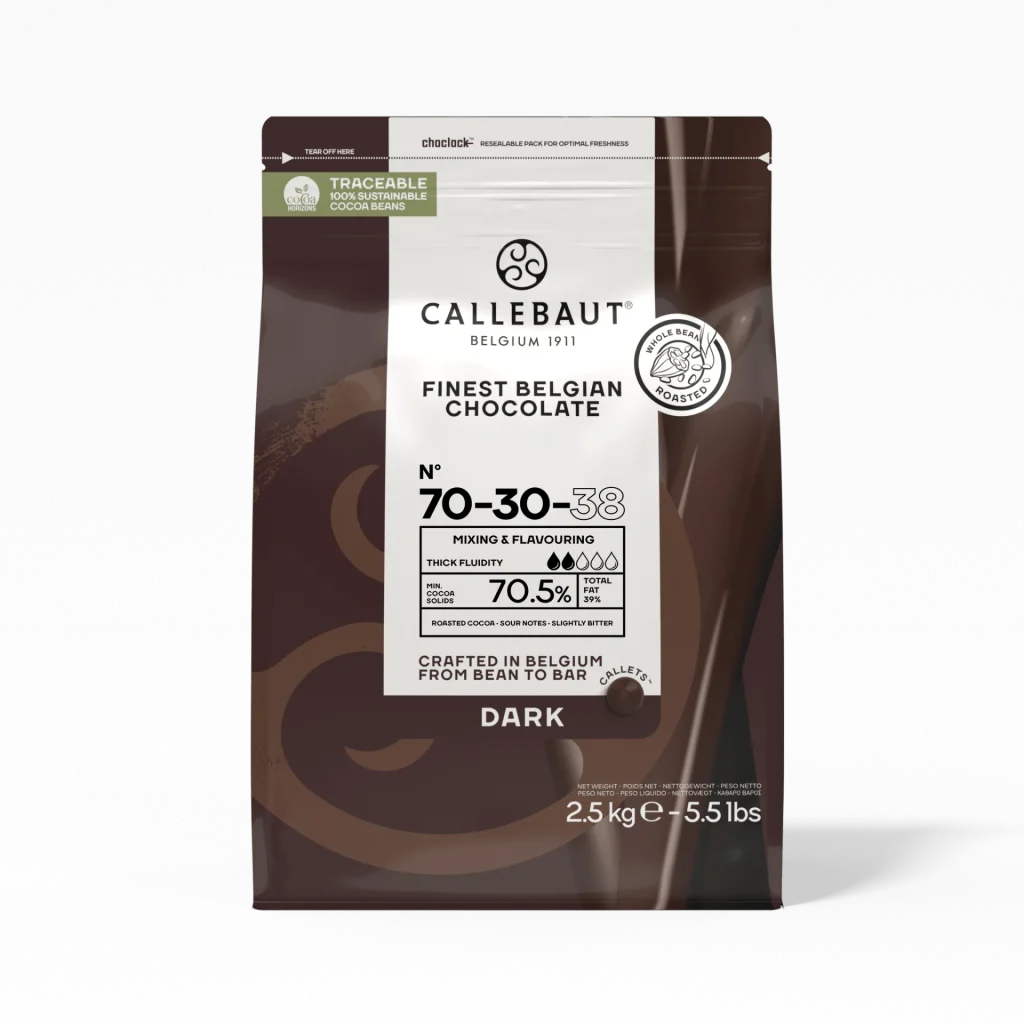
Dark Chocolate
Considered the most stable matrix for probiotics.
- High cocoa content → elevated antioxidant capacity → improved protection against oxidative stress.
- High fat content (notably ) → reduced water activity (aw) → enhanced microbial stability.
- Lower pH associated with cocoa → relatively more stable environment.
Conclusion :The best option for developing highly stable, long shelf-life probiotic products.
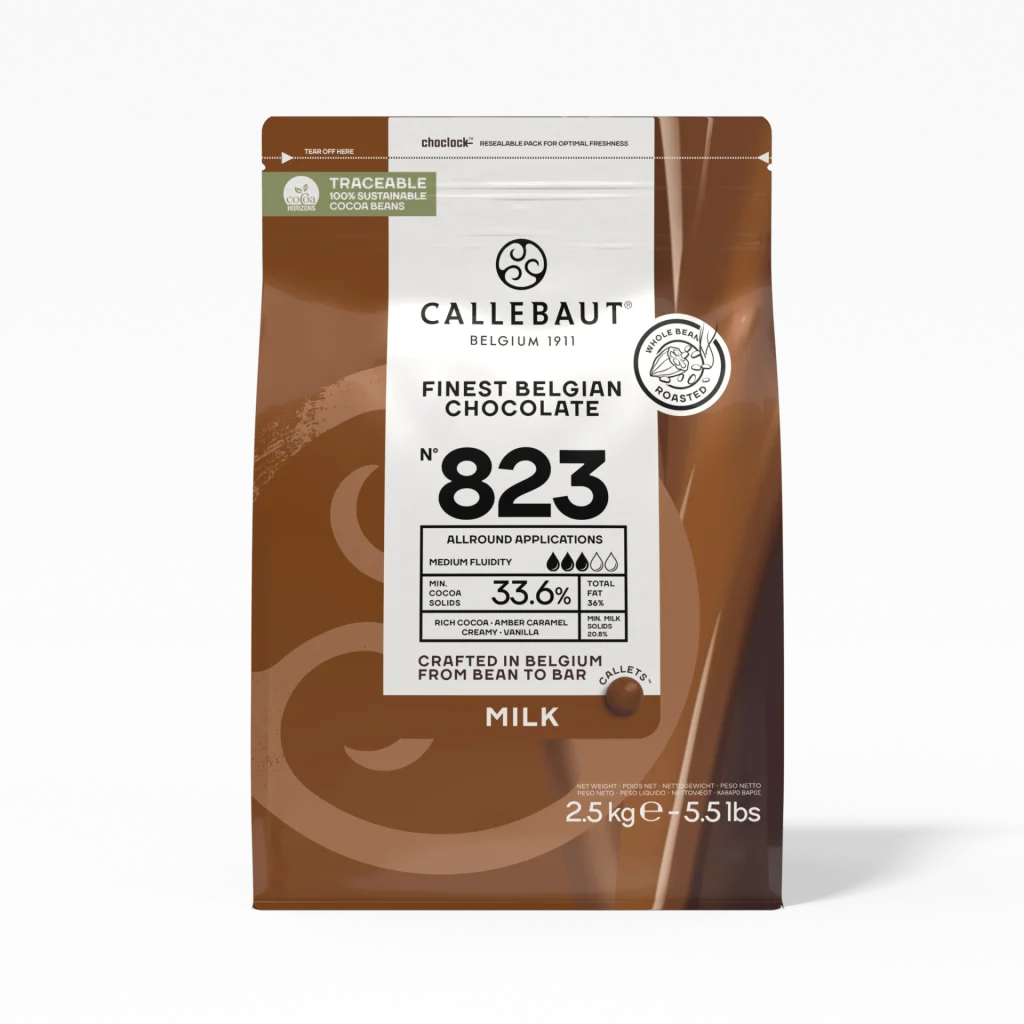
Milk Chocolate
Provides a balanced fat and sugar profile, but introduces additional formulation variables.
Milk proteins may interact with certain probiotic strains, potentially affecting stability.
Slightly higher moisture content compared to dark chocolate → moderate reduction in stability.
- Key advantage : improved palatability, especially for children and general consumers.
Conclusion: Suitable for consumer-friendly formulations where taste is a priority, with moderate probiotic stability.
White Chocolate
- Presents unique formulation challenges due to its composition.
- Lacks cocoa solids → lower antioxidant protection.
- High fat content → contributes positively to stability.
- Slightly higher moisture and absence of cocoa polyphenols → weaker protective effect compared to dark chocolate.
Conclusion: Feasible for probiotic applications, but requires advanced microencapsulation strategies and tighter process control to maintain probiotic viability.
Effect of Chocolate Type (Dark, Milk and White) on Probiotic Stability
The type of chocolate used as a probiotic carrier has a direct impact on the stability, survival, and viability of probiotic microorganisms. These differences are primarily driven by variations in cocoa content, fat composition and sugar levels, which influence the protective capacity of the chocolate matrix.