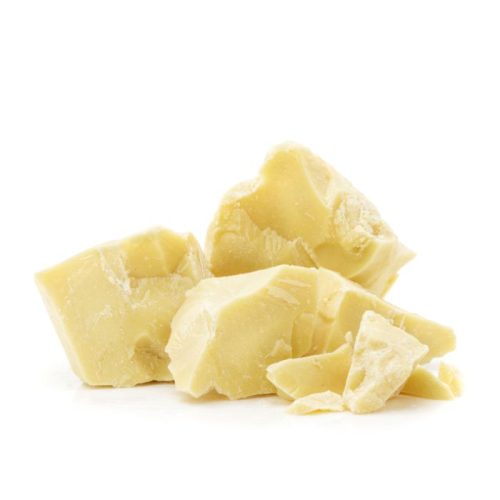
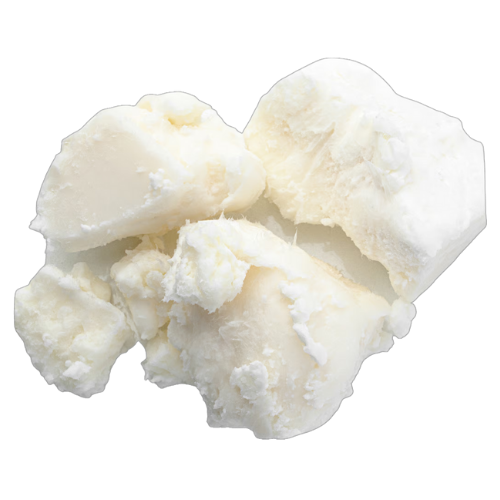
Shortening is an engineered fat system specifically designed to create a short texture ( that is a tender, crumbly and non-elastic structure ) while improving process stability and product shelf life. It is formulated as a controlled system in which the physical behavior of the fat (texture, stability, and performance) is defined in advance.
Contrary to common perception, shortening is not simply a solid fat or a basic replacement for other fats. It is a carefully balanced combination of solid and liquid fat phases, engineered to deliver consistent and predictable performance under variations in temperature, mechanical stress, and processing time.
For this reason, in industrial formulation, shortening is classified as a functional fat; a category of fats whose role goes beyond energy contribution. Functional fats directly influence dough and batter behavior, particularly in semi-fluid systems where structure has not yet fully developed and properties such as spreadability, flow and aeration are critical to final product quality.
This functional, performance-driven nature makes shortening one of the key tools in industrial product design, enabling precise control over texture, process efficiency and quality consistency at scale; topics that are explored in detail in the following sections.
Shortening is not the result of a simple process or a direct conversion of liquid oil into a solid fat. Instead, it is the outcome of an engineered fat system, designed to deliver predictable performance under real industrial conditions.
In this process, the fat is formulated so that its behavior during mixing, baking, cooling and storage is stable and controllable from the outset.
The goal of shortening production is not merely to increase melting point or solidify an oil. Rather, it involves the simultaneous control of several key functional properties, including:
The ratio of solid fat to liquid fat
Melting behavior across different temperature ranges
Texture and consistency during mixing
Performance stability over time and throughout the production chain
Overall, the production of shortening is built on two fundamental decisions:
Strategic selection of fat-based raw materials
Physical and molecular modification of fat structure to achieve the targeted functional performance
This engineering-driven approach is what allows shortening to function as a reliable, performance-oriented fat in industrial food formulations.
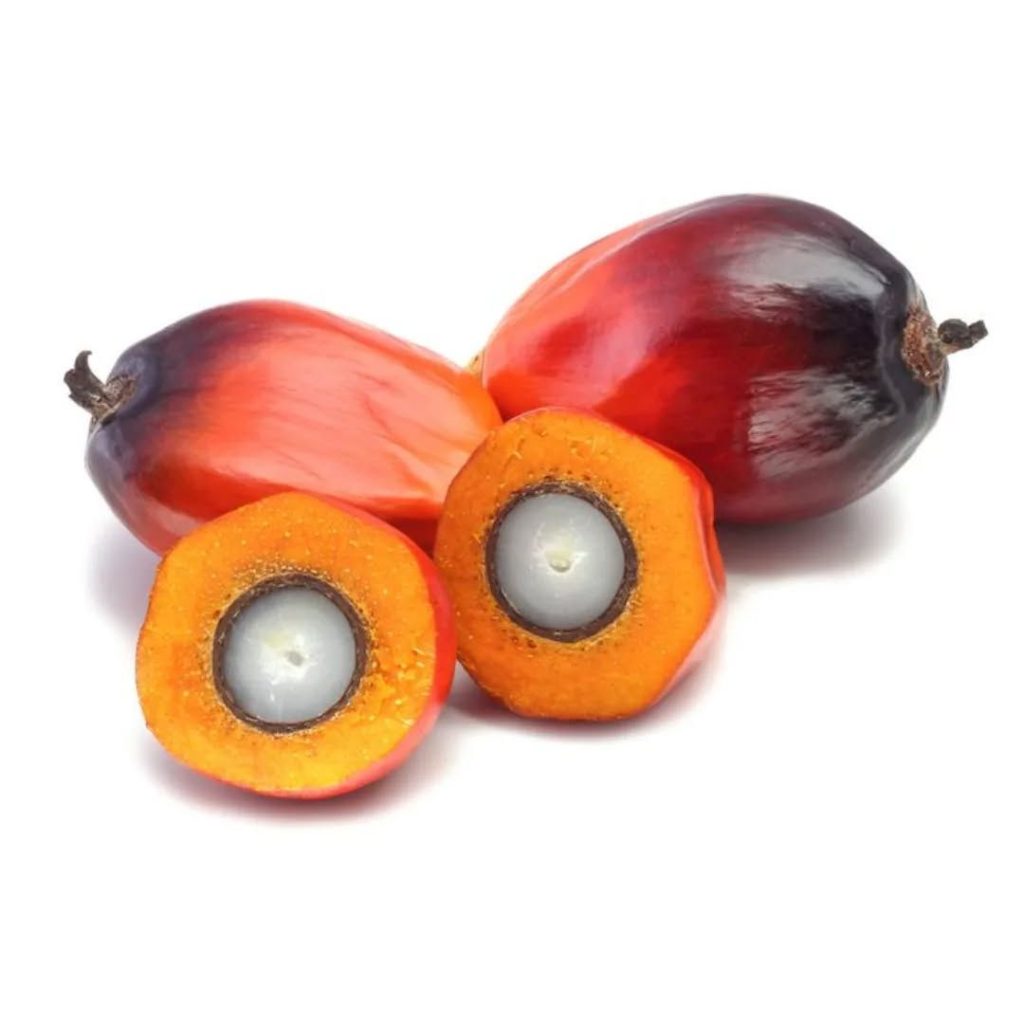
The primary raw materials for industrial shortenings are refined vegetable oils. These oils are not suitable for use in shortening formulations in their crude form and must undergo refining and processing to control flavor color and oxidative stability before entering formulation.
The most commonly used oils in shortening production include:
Palm oil and palm fractions (such as palm olein and palm stearin)
Soybean oil
Canola (rapeseed) oil
Sunflower oil
Purpose-designed blends of multiple vegetable oils
The selection of these oils is not based on nutritional superiority or inferiority. Instead, it is driven by how each oil behaves physically under different temperatures, over time and during processing conditions.
In shortening design, the starting point is a single, critical question:
What functional role is this fat expected to play in the final product?
Based on the answer, the base oil is selected using a set of technical criteria, including:
Fatty acid profile (saturated vs. unsaturated ratio)
Ability to form a stable crystalline network
Melting point and melting range
Oxidative stability and shelf-life performance
Compatibility with industrial processes such as pumping, mixing, and mechanical shear
For this reason, the performance of shortening depends less on the name of the base oil and far more on the structure of the crystalline network and the solid-to-liquid fat ratio engineered within the system.
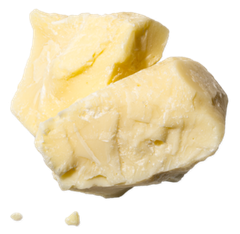
To better understand how cocoa mass defines chocolate’s flavor profile and why precise control of cocoa butter is critical for sensory stability, read this article.
Fractionation is a physical separation process in which :
Fat components with higher melting points are separated from those with lower melting points
No chemical modification occurs at the molecular level
This technique allows manufacturers to:
Precisely adjust the solid-to-liquid fat ratio
Produce shortenings with targeted melting behavior
Fractionation plays a critical role in structure control, particularly in palm-based shortening systems.

Interesterification is one of the most important modern technologies used in shortening production.
In this process:
The fatty acid distribution on the glycerol backbone is rearranged
Without changing the type of fatty acids, melting behavior and crystallization characteristics are modified
As a result:
More precise texture control
Greater performance uniformity
Reduced dependence on hydrogenation
This method is widely used in the production of trans-free shortenings.
After selecting the base oil, the fat structure must be modified to achieve the desired functional behavior. This stage represents the core of shortening engineering, where the objective is to fine-tune fat performance, not merely to change its physical state.
In addition to the two processes described above, hydrogenation is another fat modification method. In this process, a portion of unsaturated fatty acid bonds is selectively saturated to increase melting point, improve thermal stability and create a suitable crystalline structure.
However, in modern shortening systems, hydrogenation is either eliminated or tightly controlled and combined with alternative technologies to ensure that trans fat formation is minimized.
Bakery shortenings are designed for batter-based systems; that is, formulations with a semi-fluid structure where aeration, emulsion stability and controlled structure development during baking play a decisive role in final product quality.
In industrial cake production, the role of shortening goes far beyond simply adding fat. It directly contributes to :
Incorporation and stabilization of air cells during the creaming stage
Controlled weakening of the gluten network
Improved crumb uniformity and fine crumb structure
Studies show that shortenings with a stable β′ crystal form and a balanced solid fat content (SFC) produce higher volume and a softer texture compared to conventional solid fats.
Well-designed shortening systems also improve shelf life and crumb consistency in cakes.
In biscuit formulations, the primary objective is to achieve a short texture; meaning:
Limiting gluten development
Creating controlled friability (snap and bite)
Preventing elastic dough behavior
An appropriate biscuit shortening must contain sufficient solid fat at processing temperatures to uniformly coat flour particles. Functional studies indicate that the solid-to-liquid fat ratio in this application directly affects spread, crispness and dough machinability.
In creams and fat-based fillings, shortening functions as a structural backbone rather than a simple fat source. Its key roles include :
Shape retention at ambient temperature
Prevention of oil separation (oiling-out)
Creation of a smooth, clean mouthfeel without waxiness
Shortenings with a controlled melting profile and a stable β′ crystal structure deliver superior performance and ensure long-term product stability.


Unlike cakes, in bread production shortening should not completely disrupt the dough structure. Instead, it must modify and optimize it in a controlled manner.
Studies on white bread show that adding shortening at an optimal level (approximately 3–4% based on flour weight) results in:
Improved gas retention
Enhanced oven spring
Reduced dough density
Excessive usage, however, produces the opposite effect, leading to a denser crumb structure.
Shortening contributes to crumb softness by:
Reducing starch–protein interactions
Improving dough extensibility in early mixing stages
As a result, bread develops a softer crumb and a thinner, more tender crust, without premature drying during storage.
One of the key functional roles of shortening in bread is the reduction of starch retrogradation;the primary mechanism behind bread staling.
When properly selected, shortening:
Slows down staling
Maintains crumb uniformity
Extends textural shelf life
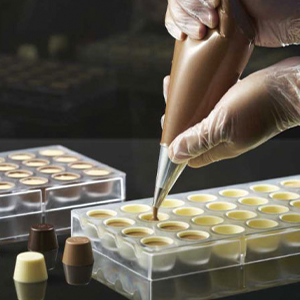
In compound chocolate production, the primary objective is to eliminate dependence on cocoa butter and the complex tempering process, while achieving a final product with higher thermal stability, easier molding and lower production costs at industrial scale.
To achieve this, manufacturers rely on specialty fats that are inherently non-tempering and capable of forming a stable crystalline structure without precise control of the crystallization pathway.
These fats are engineered to naturally form a stable crystal network, without the need for complex polymorphic management. Although they may appear similar to shortening in physical form, they do not belong to the category of classical shortenings from a functional or design perspective.
The key distinction lies in design logic:
Classical shortenings are developed to control texture, aeration, plasticity, and dough or batter behavior in baked products.
Compound chocolate fats are designed to replicate the structural performance of cocoa butter in chocolate systems, without requiring tempering.
For this reason, using terms such as “chocolate shortening” to describe compound chocolate fats is technically inaccurate and can lead to misinterpretation of fat functionality and incorrect formulation decisions.
Understanding the difference between shortening and cocoa butter cannot be achieved through a simple comparison of names or physical state. From a formulation perspective, these two fats belong to fundamentally different categories in terms of design logic, physicochemical behavior and functional role in industrial food systems.
For an accurate and non-misleading comparison, differences must be evaluated layer by layer; from molecular fat structure to process behavior and industrial application. They should not be viewed as direct substitutes for one another, but rather as two distinct solutions designed for different functional missions within the food industry.

Cocoa butter is primarily used in premium, molded chocolate products where sensory quality and classic chocolate texture are critical. It possesses a highly specific and complex crystalline structure, composed mainly of triglycerides such as POP, POS and SOS.
This complexity makes cocoa butter extremely sensitive to temperature fluctuations and highly dependent on a precisely controlled tempering process.
In contrast, fats used in compound chocolate systems are engineered fats designed to form a stable and controllable crystal network without the need for tempering. Their structure is optimized to reduce dependency on polymorphic control.
Industrial selection guideline :
If your process relies on strict temperature control and tempering, cocoa butter is appropriate.
If process stability and simplicity are the priority, compound chocolate fats are the more practical choice.
Cocoa butter melts within a narrow temperature range (approximately 32–34 °C) , producing a desirable sensory profile but making it highly sensitive to thermal variation. Even minor deviations during tempering can lead to crystalline instability and fat bloom.
Compound chocolate fats, by contrast, exhibit a broader melting range and more controlled crystallization behavior. They are designed to achieve structural stability without tempering, significantly reducing the risk of fat bloom.
Industrial selection guideline :
For continuous production lines or environments with temperature fluctuation, non-tempering systems deliver more reliable performance.
Cocoa butter is a highly specialized fat, and its greatest value lies in applications where authentic chocolate sensory attributes are essential.
Shortening, by contrast, is engineered for broad industrial usability. Its design focus is on process stability and functional control, rather than identity-defining sensory characteristics.
The difference between shortening and cocoa butter cannot be understood by comparing names or physical state alone. From a formulation standpoint, these two fats belong to entirely different categories in terms of design philosophy, physicochemical behavior and functional role in industrial food systems.
A meaningful comparison requires a layer-by-layer analysis, from molecular fat structure to melting and crystallization behavior and finally to process performance and industrial application. They should not be viewed as direct substitutes, but rather as two solutions designed for different functional missions in the food industry.

This is not a simple yes-or-no question, but a multifactor formulation decision that depends on product goals, process conditions and market requirements.
Shortening can be considered when the role of fat in a product is functional rather than identity-defining; that is, when fat is used to support process stability, texture control, or cost efficiency, not to define the classic chocolate sensory profile.
Key decision factors include:
Melting behavior across consumption and storage temperatures
The role of fat in final structure (crystal network and solid-to-liquid ratio, not fat name)
Consumer or customer sensitivity to sensory differences
In products where melting profile, snap and mouthfeel define product identity, substitution becomes limited.
Regulatory standards, labeling requirements and market expectations also play a decisive role.
As a result, shortening is a logical and strategic option in many industrial and B2B applications, while its use remains restricted in identity-driven chocolate products.
From an industrial perspective, shortening offers significant technical and economic advantages, but sensory and health considerations must be evaluated simultaneously.
Key Advantages
High process consistency in large-scale production
Improved resistance to temperature fluctuations during processing, storage and transport
Flexibility in texture, viscosity and melting design
Cost efficiency and supply stability compared to many natural fats
Studies in industrial cake and bread applications show that shortening can deliver more uniform texture and superior process stability, particularly in high-throughput production lines.
Sensory Challenges
The primary challenge of shortening is sensory perception, not technical performance.
Differences in:
melting profile
flavor release
mouthfeel
may be noticeable in certain formulations, even when technical targets are met.
Health and Labeling Considerations
Modern shortening selection must account for:
Trans fatty acid status
Type of fat modification process (hydrogenation, interesterification, etc.)
Label transparency and regulatory compliance
Current research emphasizes that shortening must satisfy industrial performance, health expectations and market acceptance simultaneously.
Selecting shortening is a formulation decision, not a branding or ingredient-name choice. The decision is driven by answers to several key questions:
What is the product goal? Texture, process stability or sensory experience?
What are the processing temperatures? Mixing, baking, cooling, storage
Is tempering required or should it be avoided?
How critical are cost and long-term supply stability?
Who is the target market? Industrial, B2 or end consumer
Each answer guides the formulation toward a different shortening system, not a generic fat type.
Shortening is neither a simple substitute for cocoa butter nor a generic fat with fixed applications.
It is a decision-driven tool that enables manufacturers to design fat systems aligned with product goals, process conditions, and market expectations.
Its true value lies in shifting fat selection away from tradition or naming and toward functional performance and strategic formulation.
درخواست شما توسط تیم تأمین مواد اولیه ما دریافت شده و در حال بررسی است.
در صورت نیاز به اطلاعات تکمیلی، با شما تماس گرفته خواهد شد.