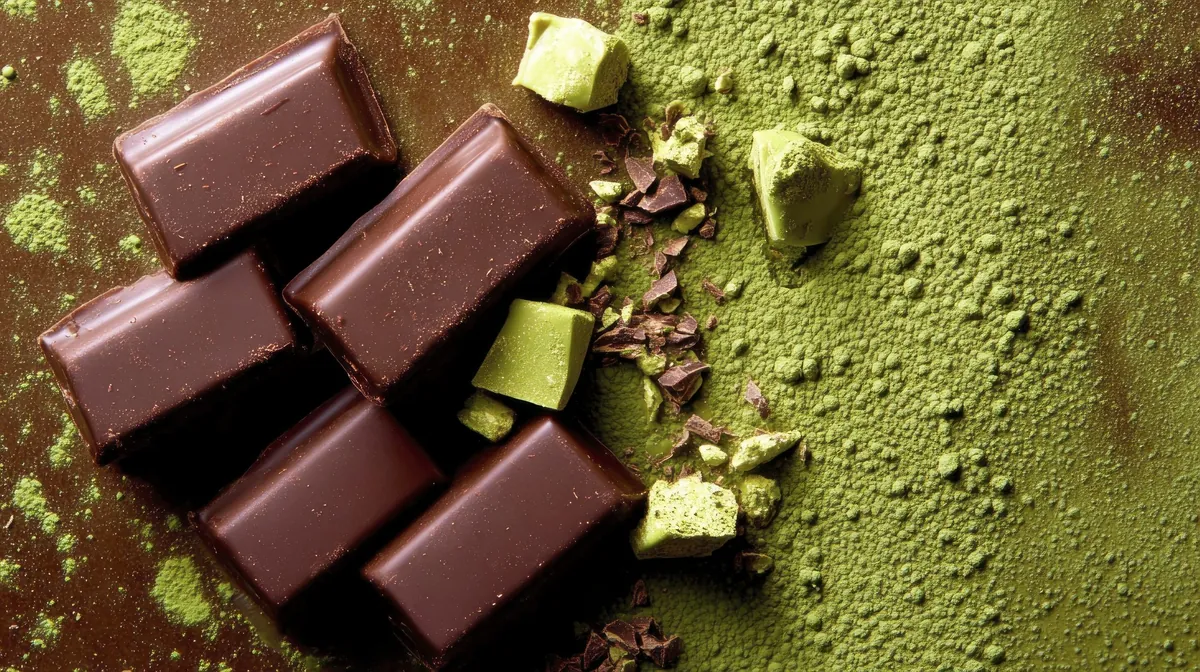
CBS vs CBR vs CBE in Chocolate | Choosing the Right Cocoa Butter Alternative
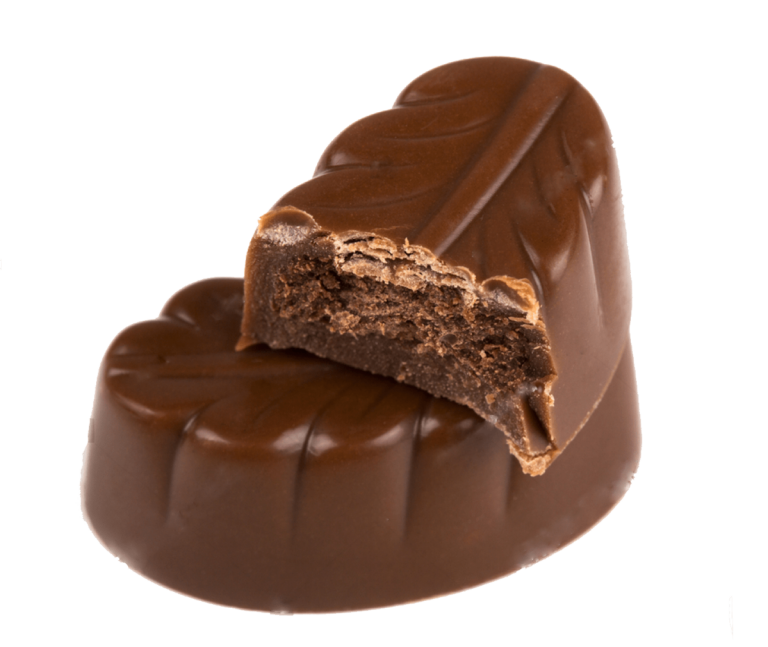
Challenges of Using Cocoa Butter in Chocolate Production
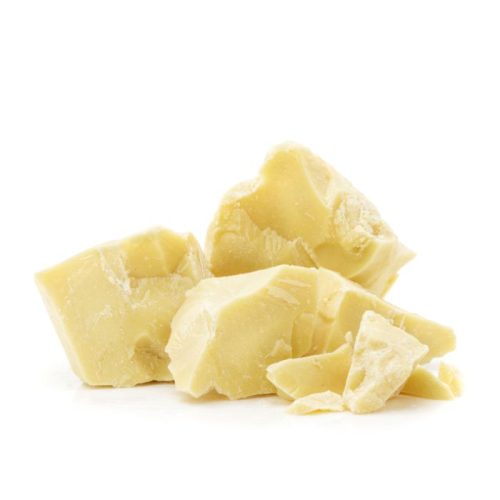
In industrial chocolate manufacturing, cocoa butter is widely recognized as the reference fat system due to its unique melting profile, β-crystal formation and superior sensory performance. It defines snap, mouthfeel and flavor release in finished products.
However, under real production conditions, relying exclusively on cocoa butter introduces structural and operational constraints that can impact process stability and cost control. These constraints often drive manufacturers to evaluate alternative fat systems such as CBE (Cocoa Butter Equivalent), CBR (Cocoa Butter Replacer) and CBS (Cocoa Butter Substitute).
In practice, the shift toward cocoa butter alternatives is typically driven by four recurring industrial pressures:
Price Volatility and Supply Risk
Global cocoa butter markets are highly exposed to crop variability, geopolitical instability and export policy shifts. This volatility directly affects cost forecasting, margin stability and long-term production planning.
While premium chocolate manufacturers may continue to rely on cocoa butter for sensory integrity, fluctuating raw material pricing introduces financial and operational pressure; particularly in high-volume manufacturing environments.
Tempering Complexity at Industrial Scale
Achieving a stable βV crystalline structure in cocoa butter requires precise tempering control. At industrial scale, even minor deviations in temperature curves, shear conditions or cooling profiles can compromise crystal stability.
In facilities without advanced thermal control systems, tempering becomes a critical control point and a potential production bottleneck. Process sensitivity increases rework risk and reduces operational flexibility.
Fat Bloom and Storage Conditions
Fat bloom in chocolate is commonly associated with thermal fluctuations during storage and distribution. This phenomenon reflects the natural polymorphic behavior of cocoa butter rather than an inherent material defect.
However, in warm climates or under inconsistent cooling conditions, crystalline instability can migrate to the surface, affecting visual quality and consumer perception.
Process Repeatability and Solid Fat Index Variability
Due to its intrinsic polymorphism, cocoa butter may exhibit subtle variations in Solid Fat Index (SFI) between production batches. These variations influence crystallization behavior and mechanical properties.
Maintaining consistent batch-to-batch performance therefore requires strict quality control, environmental stability and precise process management.
Cocoa butter remains the benchmark fat system for real chocolate production.
However, when operational simplicity, tempering elimination or risk reduction become strategic priorities, manufacturers evaluate alternative fat systems such as CBE, CBR and CBS.
In this context, “replacement” does not imply substitution by default; it represents a deliberate selection of a fat system aligned with production conditions, performance targets and business objectives.
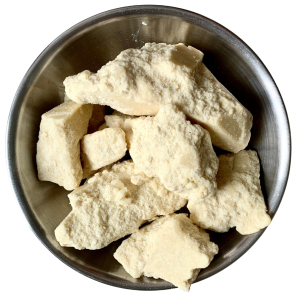
What Is Cocoa Butter ? Structure, Function and Role in Chocolate Fat Systems
To properly evaluate alternatives such as CBE, CBR or CBS, it is important to understand how cocoa butter behaves during tempering and crystallization.
- Related articles
CBE (Cocoa Butter Equivalent)
CBE
(Cocoa Butter Equivalent)
Design Logic :
Structural similarity at the triacylglycerol (TAGs) level (POP / POS / SOS).
Key Characteristics :
Compatible with cocoa butter in defined ratios
Crystallization behavior close to βV form
Requires tempering
Typical Applications :
Premium chocolate products where sensory authenticity is critical.
CBR (Cocoa Butter Replacer)
CBR
(Cocoa Butter Replacer)
Design Logic :
Functional similarity without crystalline compatibility.
Key Characteristics :
Incompatible with cocoa butter
Engineered melting profile
Simplified or eliminated tempering
Typical Applications :
Coatings, fillings, wafers and semi-chocolate systems where process stability outweighs full sensory mimicry.
CBS (Cocoa Butter Substitute)
CBS
(Cocoa Butter Substitute)
Design Logic :
Complete removal of cocoa butter from the fat system.
Key Characteristics :
No tempering required
High process stability
Predictable behavior in large-scale production
Typical Applications :
Compound chocolate, cost-sensitive products and production lines where operational simplicity is prioritized.
Industrial Classification of Cocoa Butter Alternatives
Cocoa butter alternatives are categorized based on structural similarity and crystallization compatibility with cocoa butter. These systems are engineered with different functional objectives in chocolate manufacturing. The three primary categories include :
Technical Comparison of CBS Vs CBR Vs CBE
| Standard | CBE | CBR | CBS |
|---|---|---|---|
|
Tempering Required |
Yes |
Limited / Simplified |
No |
|
Fat Bloom Risk |
Medium |
Low |
Very Low |
|
Thermal Stability |
Medium |
High |
Very High |
|
Process Complexity |
High |
Medium |
Low |
|
Sensory Similarity to Cocoa Butter |
High |
Medium |
Low |
| Standard | CBE | CBR | CBS |
|---|---|---|---|
|
Tempering Required |
Yes |
Limited / Simplified |
No |
|
Fat Bloom Risk |
Medium |
Low |
Very Low |
|
Thermal Stability |
Medium |
High |
Very High |
|
Process Complexity |
High |
Medium |
Low |
|
Sensory Similarity to Cocoa Butter |
High |
Medium |
Low |
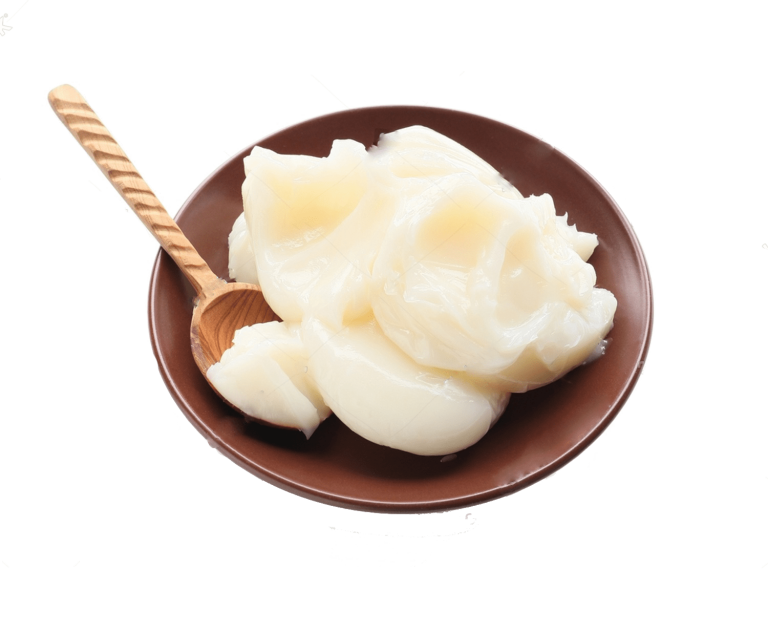
Shortening : An Engineered Functional Fat System
To clearly distinguish shortening from specialized chocolate fats such as CBE, CBR and CBS, it is essential to understand their structural design logic and crystallization behavior.
- Related articles

Selecting the Right Alternative Based on Production Constraints
In industrial environments, selection is not about identifying the best fat. It is about identifying the most suitable fat system for the dominant production limitation.
Below, we examine decision-making based on four common industry challenges:
If the Production Line Faces Thermal Instability : Choose CBS or CBR
Ambient temperature fluctuations, thermal shock during molding, warm-climate operations and non-uniform cooling systems can destabilize cocoa butter’s crystalline network.
Core Issue :
Cocoa butter is highly sensitive to temperature variation. Even minor thermal shifts can increase the risk of fat bloom and structural inconsistency.
Priority :
Process stability > Maximum sensory fidelity
Logical Selection :
CBS or CBR
Technical Rationale :
Reduced dependence on precise β crystal formation
Engineered melting range
Lower sensitivity to thermal shock
Improved repeatability in continuous production
Under these conditions, operational control is more critical than achieving full sensory equivalence to real chocolate.
If Premium Sensory Quality Is the Priority : Choose CBE
High-end chocolate products, export markets and premium positioning demand authentic snap, clean melt and a mouthfeel comparable to real chocolate.
Core Issue :
Consumers expect a defined snap and a melting behavior that closely resembles cocoa butter.
Priority :
Sensory fidelity > Process simplicity
Logical Selection :
CBE (Cocoa Butter Equivalent)
Technical Rationale :
TAG profile (POP / POS / SOS) close to cocoa butter
Crystallization behavior similar to βV form
Uniform melt at body temperature
Trade-offs to Accept :
Tempering is still required
Precise temperature control is necessary
Process complexity increases
This option is best suited for production lines with strong technical control and robust quality management systems.
If the Primary Goal Is to Eliminate Tempering : Choose CBS
In many industrial environments, tempering becomes the main source of downtime, operator dependency and production variability.
Core Issue :
Tempering is often the critical bottleneck affecting line stability and waste levels.
Priority :
Operational simplicity + Production stability
Logical Selection :
CBS (Cocoa Butter Substitute)
Technical Rationale :
No tempering required
Simpler crystallization behavior
Faster line start-up
Reduced operator-related variability
CBS is commonly used in compound chocolate and cost-sensitive product categories where process reliability outweighs full cocoa butter mimicry.
If the Application Is Coatings or Fillings : Choose CBR or CBS
In wafers, biscuit coatings, fat-based fillings and industrial enrobing applications, the primary objective is not full replication of real chocolate behavior.
Core Issue :
Texture control, fat migration resistance and cost management are often more critical than complete sensory equivalence to cocoa butter.
Priority :
Texture control + Target cost + Stability
Logical Selection :
CBR or CBS (based on formulation requirements)
Choose CBR when improved texture flexibility and better structural control are required.
Choose CBS when operational simplicity and cost reduction are the dominant drivers.
In these applications, reproducing the full polymorphic behavior of cocoa butter is typically unnecessary.
Choosing a cocoa butter alternative is not a simple side-by-side comparison. It is a direct response to the dominant limitation within a production system.
If thermal instability is the primary constraint → CBS or CBR
If premium sensory performance is essential → CBE
If tempering creates operational bottlenecks → CBS
If the product is a coating or filling → CBR or CBS
The wrong question is: “ Which fat is better ? ”
The right question is: “ What is the main limitation of my production line ? ”
Selecting between CBE, CBR and CBS is ultimately an engineering decision aligned with process control, product positioning and operational priorities.
Frequent Mistakes in Selecting Cocoa Butter Alternatives
- Mixing CBS with cocoa butter in a single fat system
- Selecting based solely on cost
- Ignoring climate and distribution conditions
- Mislabeling specialty chocolate fats as “shortening”
How Do CBS, CBR and CBE Differ from Shortening?
While these fats may appear physically similar to shortening, their engineering objectives differ fundamentally.
Shortening is a multi-purpose functional fat designed for dough plasticity and aeration control.
CBS, CBR and CBE are engineered specifically for chocolate crystallization management, melting behavior control and tempering optimization.
They are not interchangeable concepts.
Conclusion : Choosing a cocoa butter alternative based on production conditions
In chocolate manufacturing, the decision to use CBE, CBR or CBS depends on:
Sensory expectations
Process control capability
Thermal environment
Production scale
Business risk tolerance
Cocoa butter remains the benchmark for real chocolate.
However, in modern industrial systems, alternative fat selection represents a strategic engineering decision aligned with operational reality.